


Category Archives: Water Adventure
Flow with Nature: River Adventure Trails to Conquer
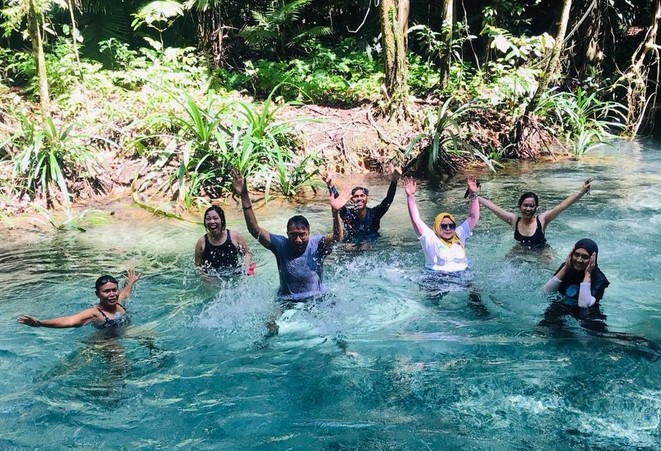
Source:https://asset.kompas.com
You are trapped in the middle of a roaring, frothing Class III rapid. Your knuckles are white as you grip the paddle, cold glacial water slams into your chest, and for a split second, you can’t remember if you’re supposed to paddle forward or brace for impact. Then, your guide yells a command over the deafening roar of the river, your team digs in simultaneously, and your raft shoots out of the foam into a calm, sunlit canyon. The adrenaline high is instant, intoxicating, and completely unmatched by any standard hiking trail.
Over my ten years of navigating the world’s waterways, I’ve transitioned from a nervous beginner who capsized on a gentle stream to a seasoned paddler who has conquered multi-day expeditions. What I’ve learned is that rivers are the ultimate highways of planet Earth. While hiking trails confine you to a static path, river adventure trails are dynamic, living ecosystems that constantly reshape themselves.
If you are a beginner or intermediate adventurer looking to trade your hiking boots for a life jacket, understanding the mechanics of river travel is your first step toward an unforgettable expedition. Let’s dive deep into how to read the water, pick the perfect route, and conquer your first major river trail.
Decoding the River: Understanding the International Scale of Difficulty
Before you pack your dry bags, you need to understand the language of the river. Entering a river trail without knowing its classification is like trying to drive down a black-diamond ski slope in a golf cart.
To keep things simple, think of river rapids like traffic on a multi-lane highway. Class I is an empty, slow-moving suburban street, while Class VI is a chaotic, unpredictable Formula 1 racetrack where only elite professionals survive.
+----------------+-----------------------------------+-----------------------------------+
| Rapid Class    | Difficulty Level                  | What to Expect                    |
+----------------+-----------------------------------+-----------------------------------+
| Class I        | Easy                              | Fast-moving water with small waves|
| Class II       | Novice                            | Wide, clear channels; easy eddies |
| Class III      | Intermediate                      | Moderate, irregular waves; complex|
|                |                                   | maneuvers required                |
+----------------+-----------------------------------+-----------------------------------+
| Class IV - V   | Advanced / Expert                 | Intense, powerful rapids; steep   |
|                |                                   | drops; highly technical           |
+----------------+-----------------------------------+-----------------------------------+
The Sweet Spot for Starters: Class II and III Trails
For beginners and intermediate adventurers, Class II and Class III rapids are your sweet spot. They provide enough hydraulic action—the technical term for waves and holes created by river obstructions—to get your heart pumping, but they don’t require years of specialized swiftwater rescue training to navigate safely.
Epic River Adventure Trails to Add to Your Bucket List
The world is filled with legendary river corridors, but certain trails stand out because they offer excellent infrastructure for independent paddlers and guided commercial trips alike.
1. The Pacuare River, Costa Rica (The Ultimate Tropical Run)
Flowing through lush, primordial rainforests down to the Caribbean slope, the Pacuare is the poster child for tropical river adventure trails. This corridor offers a flawless blend of exhilarating Class III-IV rapids and serene flatwater sections where you can drift past towering waterfalls and spot toucans nesting in the canopy.
-
The Technical Insight: The Pacuare features unique pool-drop topography. This means an intense, fast-paced rapid is almost always followed by a calm, slow-moving pool of water, giving your team plenty of time to reset, recover dropped gear, and prepare for the next drop.
2. The Whanganui Journey, New Zealand (The Cultural Canoe Expedition)
Though it flows through a dramatic gorge, the Whanganui Journey is technically classified as a Great Walk by New Zealand’s Department of Conservation—except you explore it entirely by Canadian canoe or kayak. It is a multi-day, self-guided paradise featuring gentle Class I and II waters, making it perfect for intermediate paddlers who want to experience wilderness camping.
-
The Technical Insight: Navigating the Whanganui requires mastering the river eddy. An eddy is a circular movement of water that flows upstream behind an obstacle like a large boulder. Learning how to turn your boat into an eddy is like pulling into a highway rest stop; it allows you to pause, check your map, and hydrate without fighting the main current.
Gear Mechanics: Packaging Your Life for a Wet Environment
When you hit the river, your packing philosophy must change entirely. On a standard backcountry hike, gravity is your enemy, and every ounce matters. On a river trail, your boat carries the weight, but your absolute nemesis is moisture.
Mastering the Dry Bag System
Do not trust a single large dry bag to keep your expensive electronics and warm clothing safe. If a bag tears during a capsize, everything is ruined. Instead, utilize the redundant modular packing method.
Pack your sleeping bag and dry clothes into small, individual lightweight dry sacks. Then, place those smaller sacks inside a heavy-duty, 60-liter PVC roll-top dry bag. Secure that main bag to the frame of your raft or the D-rings of your kayak using sturdy cam straps—never rely on stretchy bungee cords, which will snap under the weight of rushing water.
Personal Protective Equipment (PPE) Essentials
Your safety gear isn’t fashion; it’s a life-support system. Never step onto an active river trail without:
-
A Type III PFD (Personal Flotation Device): It must fit snugly. If you pull up on the shoulder straps and the vest slides up past your chin, it is too loose and will not keep your head above water in a rapid.
-
A Whitewater Helmet: Standard bike helmets will not work; whitewater helmets are specifically designed to drain water rapidly while protecting the base of your skull from submerged rocks.
-
Neoprene Booties or Chacos: Never go barefoot or wear flip-flops. If your boat flips, you need sturdy, high-traction footwear to handle foot entrapment hazards on the riverbed.
     ⚠️ HIDDEN WARNING: THE DANGER OF STRAINERS
     To a beginner, a fallen tree dipping into a gentle river current looks like a scenic,
     shaded spot to rest. To a river professional, this is a "strainer"—the single most
     deadly hazard on the water. Just like a kitchen colander, a strainer allows water
     to flow through easily but traps solid objects (like your boat or your body)
     underneath the surface. Always steer completely clear of downed trees and river debris.
Expert Advice for Transitioning from Trails to Waves
Learn to Read the River’s Visual Cues
To navigate smoothly, you must learn to read water like a book. Look for the “Downstream V.” When water flows between two submerged rocks, it creates a smooth, dark V-shape pointing downstream. This is your green light—it marks the deepest, safest channel through the rapid. Conversely, an “Upstream V” is created by water splashing over a rock, which is a red light telling you to steer clear.
Respect the Hydrology and Water Levels
River trails change daily based on rainfall, snowmelt, and upstream dam releases. A route that was a gentle Class II stream in August can easily turn into a churning, life-threatening Class IV monster during spring run-off. Always check local USGS river gauges (or international equivalents) and consult local outfitters regarding the current flow rate, measured in Cubic Feet per Second (CFS), before launching your watercraft.
Find Your Flow
There is a profound meditation that comes with conquering river adventure trails. Once you push off from the riverbank, you are fully committed to the path of the water. It forces you to live completely in the present moment, reacting to every wave, whirlpool, and eddy with immediate focus. Whether you choose a guided rafting trip in Central America or a self-sufficient canoe trek through New Zealand, the river will challenge you, humble you, and ultimately change the way you view adventure travel.
Are you ready to swap the hiking trails for a river expedition this season, or do you have a favorite waterway you’ve already conquered? Drop your questions or your best river stories in the comments below, and let’s talk paddling!
Sail the Tropics: Island Sailing Journeys to Experience
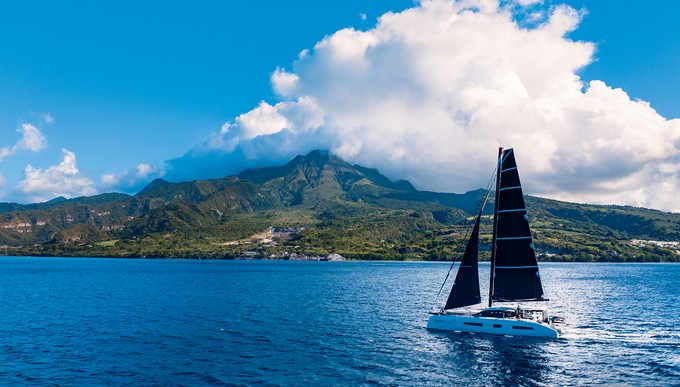
Source:https://keyassets.timeincuk.net
For travelers seeking a balance between adventure, comfort, and immersion in nature, few experiences rival life at sea among sunlit archipelagos. Tropical island sailing has emerged as a refined way to explore coastal cultures and pristine environments while enjoying the rhythm of the ocean. Unlike traditional cruises or resort-based holidays, sailing journeys allow travelers to move at a deliberate pace, discovering hidden coves, lesser-known ports, and authentic island life. This form of travel blends exploration with tranquility, offering a distinctive perspective on some of the world’s most captivating regions.
The Appeal of Sailing Between Islands
Island sailing journeys are defined by freedom and flexibility. Rather than being anchored to a single destination, travelers wake each day to a new horizon. The vessel itself becomes both transportation and accommodation, eliminating the constant packing and unpacking associated with land-based travel. This seamless movement creates a sense of continuity, where the journey is as meaningful as the destinations encountered along the way.
Another key appeal lies in access. Many islands feature secluded beaches, coral reefs, and fishing villages that are unreachable by large ships or conventional transport. Sailing vessels, particularly smaller yachts and catamarans, can navigate shallow waters and anchor close to shore. This proximity allows for spontaneous exploration, from snorkeling in untouched lagoons to stepping ashore in communities where tourism remains a secondary presence.
Sailing journeys also encourage a deeper connection with the environment. Travelers become attuned to wind patterns, tides, and weather conditions, gaining an appreciation for the natural forces that shape island life. Days are structured by daylight and sea conditions rather than strict schedules, fostering a more mindful approach to travel. This slower rhythm often results in reduced stress and a heightened sense of presence.
From a cultural standpoint, island sailing supports meaningful engagement. Extended stays in smaller ports enable travelers to participate in local markets, cuisine, and traditions. These interactions are typically more personal than those experienced during brief shore excursions, creating opportunities for genuine cultural exchange.
Iconic Island Routes and Experiences
Across the globe, several regions stand out as exceptional for island sailing journeys due to their geography, climate, and cultural richness. Each offers a unique blend of natural beauty and human history.
The Caribbean remains one of the most recognized sailing regions. Its steady trade winds, warm waters, and dense concentration of islands make it ideal for multi-stop itineraries. Travelers can experience dramatic contrasts within short distances, from lively cultural centers to quiet, undeveloped cays. The region’s maritime heritage is deeply woven into its identity, adding historical depth to each voyage.
In the South Pacific, island chains such as those found in French Polynesia and Fiji offer a more remote experience. Vast stretches of open ocean separate islands, creating a sense of true exploration. These journeys emphasize harmony with nature, where lagoons, reefs, and volcanic landscapes dominate the scenery. Encounters with local communities often highlight traditions that have been preserved through centuries of seafaring life.
Southeast Asia presents a different dynamic, combining dense cultural landscapes with rich biodiversity. Sailing through island clusters reveals ancient trade routes, diverse cuisines, and spiritual landmarks set against lush coastlines. The region’s calm seas during certain seasons make it accessible to a wide range of travelers, from experienced sailors to those new to life aboard a vessel.
Planning Considerations for a Seamless Voyage
Successful island sailing journeys rely heavily on thoughtful planning. Route selection should account for seasonal weather patterns, as wind and rainfall can significantly influence comfort and safety. Understanding these cycles ensures smoother passages and maximizes time spent exploring rather than waiting for favorable conditions.
Vessel choice is another crucial factor. Catamarans offer stability and space, making them popular for travelers prioritizing comfort. Monohull sailboats, while more traditional, provide a classic sailing experience that appeals to purists. Crew arrangements, whether fully crewed or self-sailed, should align with the group’s experience level and desired level of involvement.
Equally important is preparation for life aboard. Space is limited, and travelers must adapt to shared environments and routines. Clear communication, realistic expectations, and respect for maritime etiquette contribute to a positive experience. Provisions, waste management, and energy use also require careful consideration, reinforcing sustainable travel practices.
The Future of Island Sailing Tourism
As travel preferences evolve, island sailing is increasingly recognized for its alignment with responsible tourism principles. Smaller vessels generally have a lower environmental footprint than large cruise ships, particularly when operators prioritize fuel efficiency and waste reduction. This makes sailing an attractive option for travelers who value sustainability alongside comfort and discovery.
Technological advancements are further shaping the future of sailing journeys. Improved navigation systems, renewable energy integration, and enhanced safety features are making voyages more accessible and secure. These innovations allow travelers to venture farther with confidence while maintaining respect for marine ecosystems.
Looking ahead, island sailing is poised to grow as travelers seek experiences that are immersive, flexible, and meaningful. By combining exploration with environmental awareness and cultural respect, these journeys offer a model for how tourism can evolve in a changing world. Ultimately, tropical island sailing represents more than a method of travel; it is a philosophy that celebrates connection—to the sea, to diverse cultures, and to the simple yet profound act of moving with the wind.