


Category Archives: Seasonal Travel
Slopes Await: Winter Skiing Trips for All Levels
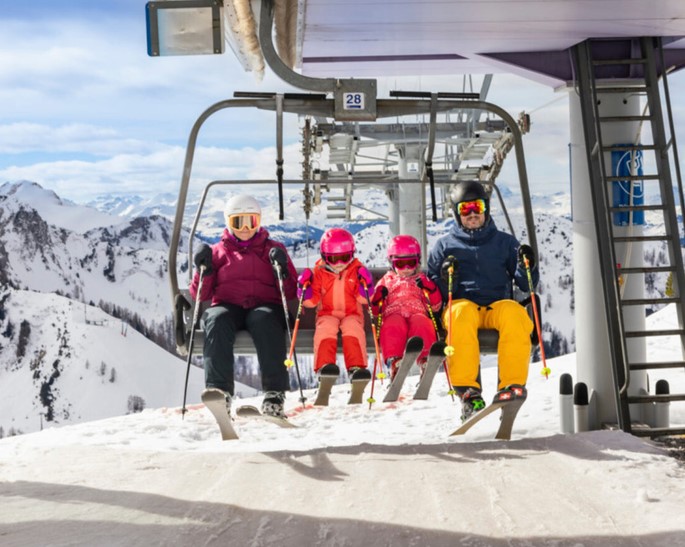
Source:https://kinderregion.ch
You are standing at the top of a mountain peak, surrounded by blinding white snow and crisp alpine air. You take a breath, look down, and suddenly feel a wave of sheer panic because the “gentle beginner slope” you were promised looks more like a vertical cliff face. Meanwhile, your boots are pinching your toes, your goggles are fogged up, and you have already spent half your vacation savings just getting to the lift.
Decoding the Mountain: Matching Skill Levels to Slopes
+-----------------------------------------------------------------------------------+
|                        THE RESORT TERRAIN PROGRESSION                             |
+-----------------------------------------------------------------------------------+
|  [ Green Circle ]   ---> Nursery Slopes & Wide Groomers (Beginners)               |
|  [ Blue Square ]    ---> Cruising Trails & Moderate Incline (Intermediates)       |
|  [ Black Diamond ]  ---> Steep Angles, Moguls & Ice (Advanced / Experts)          |
|  [ Double Black ]   ---> Extreme Chutes, Cliffs & Ungroomed Terrain               |
+-----------------------------------------------------------------------------------+
-
Beginner Terrain (Green): Wide, low-gradient slopes (under 15-degree pitch) with dedicated Magic Carpet lifts or slow chairlifts separated from high-speed skier traffic.
-
Intermediate Terrain (Blue): Smooth, groomed cruisers with consistent gradients (15 to 25 degrees) that allow you to practice edge control and rhythmic turns.
-
Advanced & Expert Terrain (Black/Double Black): Un-groomed powder fields, tight tree runs (glades), steeps, and mogul fields requiring rapid line adjustments and strong technical balance.
Top Global Destinations for Winter Skiing Trips
| Resort & Region | Best For | Terrain Highlight | Ideal Travel Window |
| Bansko, Bulgaria | Absolute Beginners / Budget | Wide Nursery Slopes & Cheap Instruction | January to March |
| Niseko, Japan | Beginner to Intermediate | Deep Dry Powder (“Japow”) & Onsens | December to February |
| Breckenridge, USA | All Skill Levels | High-Altitude Groomers & Village Vibe | Mid-November to April |
| Les Trois Vallées, France | Intermediate Cruisers | Interconnected Trails & Massive Variety | December to April |
| Wanaka, New Zealand | Intermediate (Southern Summer) | Breathtaking Lake Views & Open Bowls | July to September |
1. Bansko (Bulgaria): The Ultimate Budget Learning Hub
2. Niseko (Japan): The Soft Powder Paradise
3. Breckenridge (Colorado, USA): Perfect Terrain Progression
Gear Up Right: Boot Fitting & Layering Logic
                  /---> Base Layer: Moisture-Wicking Synthetic / Merino Wool
                 /----> Mid Layer: Insulating Fleece or Down Jacket
LAYERING SYSTEM ------> Outer Shell: Waterproof & Windproof Gore-Tex
                 \----> Socks: Single Pair of Thin Merino Ski Socks (No Cotton!)
                  \---> Boots: Professionally Fitted with Zero Heel-Lift
1. The Boot Fitting Golden Rule
-
Never wear thick or double socks. Extra socks bunch up, restrict blood circulation, and actually make your feet colder. Wear a single, thin pair of merino wool ski socks.
-
Your toes should lightly touch the front of the boot when standing straight, but pull back slightly when you bend your knees into a skiing stance.
2. The Three-Layer System
-
Base Layer: Top and bottom thermal underwear made of merino wool or synthetic fabrics. Avoid cotton entirely, as it absorbs sweat and chills your body.
-
Mid Layer: A breathable fleece or lightweight down sweater to trap warm air around your core.
-
Outer Shell: A breathable, windproof, and waterproof jacket (like Gore-Tex) with a snow skirt to keep powder out when you fall.
Expert Advice: Pro Tips & Hidden Warnings
Pro Tip: Book “Ski-In / Ski-Out” or Check the Shuttle Route
The “Afternoon Ice Layer” Trap
Budget Planning: Navigating Lift Passes & Rentals
                      TYPICAL TRIP BUDGET BREAKDOWN

 [Lift Tickets]     =======================> 35%
 [Accommodation]    ======================> 30%
 [Gear Rentals]     ===============> 20%
 [Food & Lessons]   ===========> 15%
-
Buy Multi-Resort Passes in Advance: If traveling to North America or Europe, purchase multi-mountain passes (such as Epic Pass or Ikon Pass) months before the season starts. Buying single-day lift passes at the resort window can cost over $200 USD per day.
-
Pre-Book Equipment Online: Renting your skis, poles, boots, and helmet online at least two weeks before your trip usually secures a 10% to 20% discount compared to walk-in rental shop rates.
-
Invest in Lessons Early: Never rely on a friend or partner to teach you how to ski. Professional instructors teach proper edge control, safety etiquette, and turning techniques that prevent bad habits and cut your learning curve in half.
Summary & Your Next Step
Northern Magic: Polar Cruises to Witness the Lights
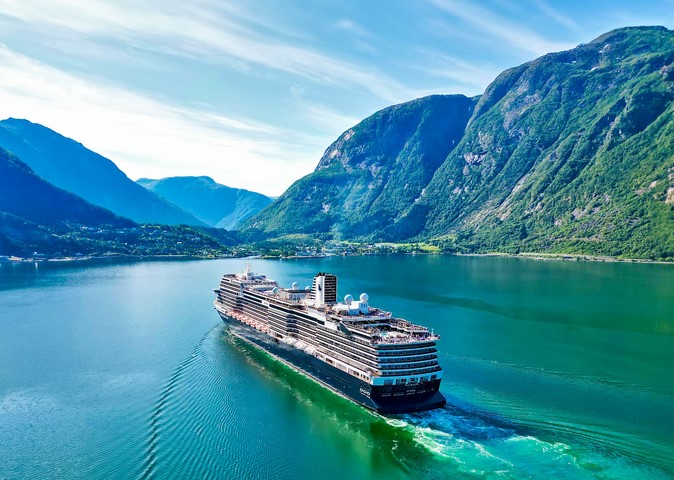
Source:https://img.cruisecritic.net
You are standing on a vibrating steel deck in the middle of the Greenland Sea, the temperature has plummeted to -15°C, and your eyelashes are starting to frost over. Suddenly, a faint ghostly ribbon of lime-green tea-smoke begins to dance across the pitch-black sky, expanding into a violet-edged curtain that shimmers with the intensity of a thousand neon signs. Most travelers try to catch this from a hotel window, only to be thwarted by light pollution or a single stubborn cloud. But on the move, in the deep Arctic, the odds shift dramatically in your favor.
In my decade of navigating the world’s most frozen latitudes, I’ve learned that polar northern lights cruises are the ultimate “cheat code” for seeing the Aurora Borealis. While land-based hunters are stuck in one coordinate, a ship is a mobile observatory that can outrun localized weather systems. I still remember my first night off the coast of Svalbard; the captain made a sudden 10-degree course correction just to bypass a fog bank, revealing a sky so clear it felt like I could touch the stars. That is the tactical advantage of being at sea.
The Science of the Chase: Why the Ocean Wins
To understand why a cruise is superior, you have to understand the “Cloud Problem.” The Aurora happens 100km above the Earth, but clouds hang much lower. If you are on land and it’s cloudy, your night is over. On a ship, the captain uses real-time satellite imagery to find “holes” in the cloud cover.
Think of it like fishing in a massive lake. If you sit on the pier (land), you have to wait for the fish to come to you. If you are in a boat (cruise), you can drive to where the fish are biting. Polar northern lights cruises essentially turn a static waiting game into an active pursuit.
Understanding the KP-Index and Solar Cycles
When you’re on board, you’ll hear the expedition leaders talking about the KP-Index. This is a scale from 0 to 9 that measures geomagnetic activity.
-
KP 1-3: Quiet activity; you need to be far north (like the Arctic Circle) to see anything.
-
KP 5+: A geomagnetic storm; the lights can drop further south and become incredibly vibrant.
-
Solar Maximum: We are currently approaching a peak in the 11-year solar cycle, meaning the next few seasons will offer the most intense displays in over a decade.
Navigating the Technical Logistics of a Polar Voyage
Choosing the right ship is a technical decision that dictates your comfort and your success rate. For beginners and intermediate travelers, there are two main types of vessels to consider.
1. The Expedition Vessel (Ice-Class)
These are smaller, rugged ships built to crunch through “pancake ice” and reach remote fjords.
-
The Insight: These ships have a shallower draft, allowing them to get closer to the coast where the water is calmer—perfect for long-exposure photography.
-
The Technical Edge: Look for a ship with a PC6 Ice Class rating. This ensures the hull can handle the pressure of Arctic winter conditions safely.
2. The Luxury Coastal Express
Larger ships, like those navigating the Norwegian coast, offer more stability and amenities.
-
Personal Observation: I’ve found that these ships are better for “Aurora Beginners” because they have dedicated Northern Lights Alarms in every cabin. You can sleep in a warm bed, and the ship will wake you up the second the sensors detect activity.
Technical Gear: How to Survive the Arctic Night
Standard winter gear won’t cut it when you are standing on a moving deck with a wind chill factor that can make -10°C feel like -25°C.
-
Vapor Management: You need a three-layer system. A moisture-wicking base (Merino wool), a heavy insulating mid-layer (down or thick fleece), and a Gore-Tex outer shell that is 100% windproof.
-
The “Tripod Tangle”: If you want to photograph the lights, a standard tripod on a moving ship is a challenge. You need a fast lens with a wide aperture (f/2.8 or lower) and a camera that handles High ISO without too much noise.
-
LSI Tip: Use Lithium-ion batteries. Standard alkaline batteries will die in minutes in the Arctic cold. Keep your spares inside your inner jacket pocket to keep them warm with your body heat.
Expert Advice: Tips for the High-Latitude Traveler
After years of “Aurora hunting,” I’ve developed a few professional secrets that you won’t find in the brochures.
Tips Pro: The “Aft-Deck” Secret
Most people crowd the bow (the front) of the ship when the lights appear. Don’t do that. The bow is the windiest and coldest part of the ship. Head to the Aft-Deck (the back). It’s usually shielded from the wind by the ship’s superstructure, and the vibration is often lower, which helps keep your camera steady for that perfect shot.
Beware of “Night Blindness.” If you spend time in the brightly lit lounge and then run outside, your eyes will take 20 minutes to adjust to the dark. You’ll miss the subtle “faint” starts of the Aurora. Always wear red-tinted glasses or hang out in the dimmest part of the deck to keep your scotopic vision (night vision) sharp.
Scannable Checklist for your Polar Cruise
-
Itinerary: Choose a “Round-trip” or a “Northbound” route. Staying above the 66th parallel (the Arctic Circle) for more than 5 nights gives you a 90% statistical chance of a sighting.
-
Footwear: You need “Baffin” style boots or specialized Arctic boots. Standard leather boots will freeze, and your toes will lose circulation within 30 minutes.
-
Optics: Bring 8×42 binoculars. While you can’t see the Aurora better with them, they are essential for spotting Whales and Polar Bears during the limited daylight hours.
-
Photography: Turn off your flash! It won’t reach the sky, and you will ruin the night vision of everyone on deck.
The Sustainable Impact of Polar Cruising
As an advocate for the environment, I must highlight that the Arctic is a “Sentinel” for climate change. Modern polar northern lights cruises are moving toward Hybrid-Electric Propulsion and strict “No-Waste” policies.
When you book, ask if the ship uses Marine Gas Oil (MGO) instead of Heavy Fuel Oil. MGO burns cleaner and reduces the “Black Carbon” deposits on Arctic ice, which helps slow down the melting process. Your choice of ship can be a vote for a cleaner Arctic.
Conclusion: The Ultimate Light Show
There is no experience on Earth quite like watching the sky catch fire while you are surrounded by the silence of the Arctic Ocean. Polar northern lights cruises take the guesswork out of the equation, providing you with a front-row seat to the greatest show in the universe.
It’s cold, it’s remote, and it requires a bit of technical preparation—but the moment those green ribbons start to swirl above the mast, you’ll realize that every bit of effort was worth it.
Have you ever felt the “Arctic pull,” or are you worried about the cold keeping you inside? If you could pick your Aurora companion—a professional photographer or a marine biologist—who would you want by your side on the deck? Let’s chat in the comments!
Snow Thrills: Winter Snowboarding Parks Around the World
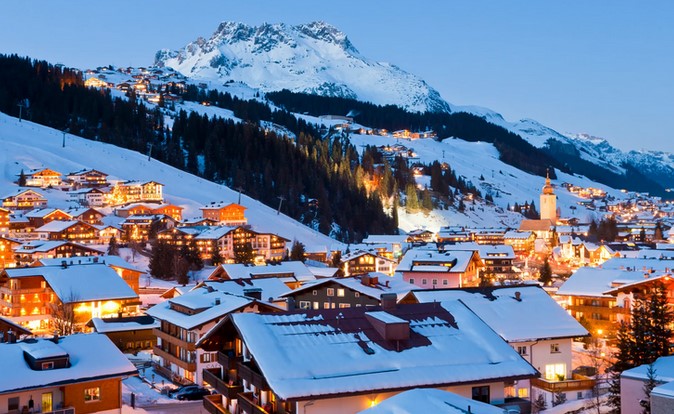
Source:https://skiandsnow.co.nz
You are standing at the top of a 2,000-meter peak, the wind whistling past your helmet, and your heart thumping against your ribs like a trapped bird. You look down at the “park” below—a playground of massive icy jumps and steel rails—and suddenly, the high-quality gear you bought feels very small against the sheer scale of the mountain. Did you know that nearly 40% of intermediate snowboarders plateau because they choose parks that don’t match their technical skill level?
In my decade of chasing winters from the jagged peaks of the Swiss Alps to the legendary “Japow” of Hokkaido, I’ve learned that winter snowboarding parks are the soul of the sport. I still remember my first real “wipeout” in Laax; I had overshot a kicker because I didn’t understand the snow’s friction coefficient that morning. It’s these “insight” moments—the ones you only get after hundreds of hours on the lift—that turn a tourist into a rider.
The Anatomy of a World-Class Terrain Park
To the uninitiated, a snowboarding park looks like a chaotic collection of snow mounds. To an expert, it is a finely engineered landscape designed for progression. A park is essentially a skatepark made of frozen water, but with one major difference: the “concrete” changes its density every hour based on the sun’s position.
Think of a terrain park like a level-based video game. You don’t start at the final boss (the 60-foot Pro-Line kickers). You start in the “Tutorial” zone—the small rollers and flat boxes—where the stakes are low and the snow is soft. Understanding the “flow” of a park is the technical key to staying safe and getting better.
Understanding Park Features
-
Kickers (Jumps): These have three parts: the “Take-off,” the “Knuckle,” and the “Landing.” For beginners, the goal is to clear the knuckle and land on the down-slope.
-
Jibs (Rails and Boxes): These are the metal or plastic features you slide across. A “Box” is wider and more stable, like a training wheels version of a rail.
-
Half-pipes: A giant U-shaped channel. Dropping in requires a technical understanding of transition riding and edge control.
Top Destinations for Winter Snowboarding Parks
If you are ready to level up from “falling leaf” to carving like a pro, these are the resorts that offer the best park engineering on the planet.
1. Laax, Switzerland: The Freestyle Mecca
Laax isn’t just a resort; it’s a laboratory for snowboarding. It boasts the world’s largest permanent half-pipe and four distinct parks.
-
Why it’s for you: They have a “Beginner-friendly” park called Snowpark NoName, which is designed with “Progression” in mind. The transitions are mellow, meaning if you fall, you’re sliding, not thudding.
2. Mammoth Mountain, California: The Sunny Session
Mammoth is famous for “Unbound,” their collection of 10+ parks. Because it’s in California, the snow is often “Corny”—a technical term for soft, granular snow that is very forgiving for learners.
-
The Insight: I’ve spent weeks here just watching the pros. The technical maintenance team (the “Park Crew”) uses specialized Zaugg Pipe Shapers to ensure the walls of the pipes are laser-smooth.
3. Niseko, Japan: The Powder Park
Japan is famous for “Deep Powder,” but their winter snowboarding parks offer a unique challenge. Riding a park in Niseko feels like jumping into a giant pile of cotton balls.
-
Technical Detail: The “Japow” (Japan Powder) creates a high-friction environment. You need to wax your board with Cold-Temperature Wax to maintain enough speed to clear the jumps.
The Technical Kit: Gear for the Park
You can’t ride a park with a board designed for carving groomed trails. Well, you can, but it’s like trying to play tennis with a squash racket.
-
Twin-Tip Boards: Unlike directional boards, these are symmetrical. This allows you to ride “Switch” (backwards) after a 180-degree spin.
-
Magne-Traction Edges: For parks that get icy (especially in the US East Coast or Europe), edges with multiple contact points act like serrated steak knives, gripping the ice when a standard edge would slip.
-
Park-Specific Bindings: You want a softer “Flex” here. It allows for more “tweak” (style) in the air and absorbs the vibration of heavy landings.
Expert Advice: Navigating Park Etiquette
The most dangerous thing in winter snowboarding parks isn’t the jumps—it’s the people who don’t know the rules.
Tips Pro: The “Drop-In” Ritual
Before you go down a feature, raise your hand or shout “Dropping!” This lets the riders above you know that the “lane” is occupied. Also, never, ever stop in the “landing zone” of a jump. To the person above you, you are invisible. It’s like standing in the middle of a highway at night.
Beware of “Flat Light.” When the sky is grey, the shadows disappear, making the snow look like a flat white sheet. You won’t be able to see the “lip” of the jump or the “transition” of the landing. If you can’t see the texture of the snow, stay out of the park. Your knees will thank you.
Scannable Checklist for the Developing Rider
-
Helmets are Non-Negotiable: Modern MIPS (Multi-directional Impact Protection System) technology can reduce rotational forces on the brain during a fall.
-
Impact Shorts: These are padded shorts worn under your pants. Beginners spend 50% of their time on their tailbone; trust me, you want the extra foam.
-
Waxing: Use a “Medium-Fluoro” wax. It provides the best balance of speed and durability for park laps.
-
The “Pre-Ride, Re-Ride, Freeride” Method:
-
Pre-Ride: Inspect the features slowly.
-
Re-Ride: Ride through the park without hitting anything big to get a feel for the speed.
-
Freeride: Now you’re ready to send it.
-
The Impact of High-Altitude Progression
Snowboarding is more than a sport; it’s a lesson in Calculated Risk Management. When you finally land that first clean jump, the rush of dopamine is backed by the technical satisfaction of knowing your “Edge Angle” and “Pop Timing” were perfect.
As a blogger who has seen the industry evolve, I’m inspired by the move toward “Eco-Parks.” Many resorts now use All-Electric Groomers and sustainable snow-making technology that uses 50% less water. Your lift ticket is an investment in the future of the mountains.
Conclusion: Ready to Drop In?
The world of winter snowboarding parks is waiting for you. It’s a place where gravity is a suggestion and every fall is just a data point on your way to becoming a better rider. Whether you’re heading to the high-tech parks of Switzerland or the soft landings of Japan, the goal is the same: have fun, stay safe, and keep pushing that “Level Up” button.
What’s the biggest “mental block” stopping you from hitting the park? Is it the fear of the fall, or just not knowing which line to take? Let’s break it down in the comments—I’m here to help you clear that first kicker!
Short Snow Escapes: Winter Ski Weekends for Travelers
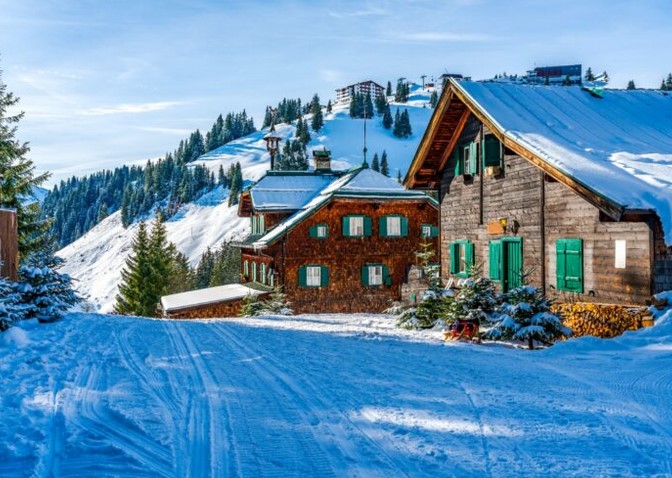
Source:https://www.inthesnow.com
You finish your Friday afternoon Zoom call, grab a pre-packed duffel, and three hours later, you’re breathing in crisp, sub-zero air while the hum of a distant snowcat prepares the slopes for morning. It sounds like a dream, but for many, the reality of winter ski weekends is a frantic mess of lost gloves, four-hour rental lines, and realizing you spent more time in traffic than on the snow. In fact, statistics show that the average weekend warrior spends only 35% of their trip actually skiing due to poor logistics.
Over the last decade, I’ve mastered the “48-hour shred.” I’ve transitioned from the guy who arrived at the resort exhausted and unprepared to a traveler who treats a ski weekend like a tactical strike. I’ve learned that a successful short escape isn’t about the size of the mountain; it’s about minimizing friction. If you’re ready to stop “visiting” the snow and start actually skiing it, here is the technical blueprint for the perfect winter weekend.
Why Winter Ski Weekends Require a “Tactical” Mindset
Think of a full-week ski holiday like a leisurely cruise ship—you have time to fix mistakes and explore every corner. A winter ski weekend, however, is a fighter jet mission. Every minute of “down-time” (waiting for boots, sitting in traffic, or fumbling with gear) is a minute taken away from your vertical feet.
The goal of winter ski weekends for beginners and intermediates is to maximize “Time on Edge.” This requires understanding the technical logistics of resort proximity, equipment staging, and energy management. You aren’t just going for a trip; you are managing a compressed timeline where efficiency is the highest form of luxury.
Strategic Selection: Choosing the “First-Chair” Resort
Not all resorts are built for 48-hour trips. If you spend five hours driving to a legendary peak, you’ve already lost 25% of your daylight.
-
The Hub-and-Spoke Model: Look for resorts located within 90 minutes of a major airport or metropolitan center. In Europe, think of Innsbruck or Geneva; in the US, think of Salt Lake City. These “Gateway Resorts” allow you to maximize your Friday night arrival.
-
Aparthotels over Luxury Lodges: For a weekend, you don’t need a spa; you need a boot room. Choose accommodation with “Ski-In/Ski-Out” access or a locker system that is less than 100 meters from the primary lift.
-
LSI Logistics: Check the Lift Capacity (people per hour). A resort with high-speed gondolas and six-pack chairs will allow you to get 15 runs in a day, whereas an older resort with slow “fixed-grip” doubles will limit you to six.
Technical Preparation: The Friday Night Staging
The secret to a “remembered” weekend happens before the sun even comes up on Saturday.
1. Equipment Manifest
If you are renting, never rent on Saturday morning. I’ve stood in rental shops for two hours watching the best snow of the day get tracked out by others. Most pro-level winter ski weekends involve picking up rentals on Friday night (often at a discount) or using a delivery service that fits you in your hotel room.
2. The Digital Lift Pass
In 2026, there is no excuse for standing in a ticket window line. Buy your pass online and choose the “Reload” option on an old RFID card or use the Mobile Pass feature on your smartphone. This allows you to walk straight from the car to the lift turnstile.
3. Thermal Layering for High Intensity
Weekend skiing is often more physically intense because you’re trying to pack more into less time. I’ve found that using a Vented Hard Shell over a high-quality Merino base layer is superior to a heavy insulated jacket. As you work harder and your heart rate climbs, you can use “Pit Zips” (underarm vents) to dump heat instantly, preventing the “sweat-and-freeze” cycle.
💡 Pro Tip: The “Lunch-Lag” Strategy
Most skiers head to the mountain lodge between 12:00 PM and 1:30 PM, creating massive lift lines and crowded tables. I always eat a high-protein “pocket lunch” at 11:15 AM. While everyone else is fighting for a seat and a $20 burger, the slopes become ghost towns. You can often double your vertical feet during the “lunch lull,” then head in for a proper meal at 2:00 PM when the crowds return to the snow.
Mastering the “Transition Zones”
In the travel world, the most time is lost in the Transition Zones—getting from the hotel to the bus, or the bus to the locker.
-
The “Ready Bag”: Keep a small, waterproof dry-bag in your backpack with extra goggles, a spare neck gaiter, and a portable power bank. Cold weather drains Lithium-Ion batteries significantly faster; keeping your phone against your body heat and having a backup ensures your digital maps and “find-my-friends” apps stay active.
-
Hydration Metrics: Because the air is dry and you’re at altitude, you’ll lose moisture through respiratory evaporation without feeling thirsty. Dehydration is the #1 cause of the “Sunday Afternoon Crash.” Drink 500ml of water for every two hours on the slopes.
Essential Gear for the Weekend Warrior
-
Photochromic Goggles: These lenses automatically adjust their “VLT” (Visible Light Transmission) based on the sun. This is a technical must for weekends where you don’t have time to swap lenses between a sunny Saturday and a flat-light Sunday.
-
Compression Socks: Not just for the flight! Wearing high-performance ski-specific compression socks reduces muscle oscillation and lactic acid buildup, meaning your legs will still feel fresh for those final runs on Sunday afternoon.
-
Multi-Tool: A small “Snow-Tool” for adjusting your bindings on the fly. It saves you a trip down to the base to find a screwdriver.
The Hidden Warning: The “Apres-Ski” Trap
We all love the social side of skiing, but for a short trip, the “Apres-Ski” trap is real. One too many drinks on Saturday night leads to an 11:00 AM start on Sunday.
If your goal is winter ski weekends that actually inspire, treat Saturday night as “Recovery Phase.” Use the hotel sauna to increase blood flow to your muscles (Vasodilation), use a foam roller on your quads, and get to bed early. The best “Apres” is the feeling of being the first person on a freshly groomed run on Sunday morning.
Scannable Weekend Success Checklist
-
Flight/Drive: Arrive no later than 9:00 PM Friday.
-
Rental: Pre-booked and picked up Friday night.
-
Food: High-carb dinner Friday; high-protein snacks for the chairlift.
-
Sun Protection: Altitude increases UV intensity by 10% for every 1,000 meters. Apply Zinc-based sunblock even if it’s cloudy.
-
The Departure: Pack your non-ski clothes in the car on Sunday morning. When the lifts close at 4:00 PM, you can change and be on the road by 4:30 PM.
Conclusion: Quality Over Quantity
A perfect winter ski weekend isn’t measured by how many days you spent at the resort, but by the quality of the turns you made. By applying a bit of technical discipline and “pro-level” logistics, you can turn a chaotic 48-hour scramble into a high-octane escape that leaves you recharged rather than depleted.
The mountains are always there, but that perfect corduroy snow is fleeting. Stop planning for “someday” and start mastering the weekend strike.
Do you prefer the “First Chair” adrenaline or the “Apres-Ski” atmosphere? And what is the one piece of gear you never leave behind for a quick snow trip? Let’s swap tips in the comments!
Ski Beyond Limits: Winter Expeditions for Thrill Seekers
Source:https://static1.squarespace.com
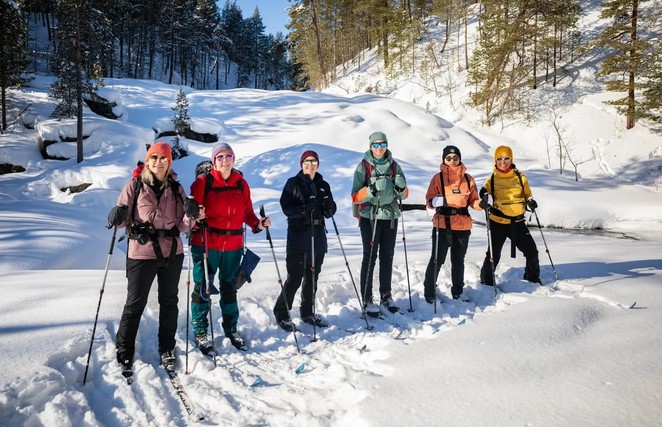
For adrenaline enthusiasts, winter ski expeditions offer a combination of physical challenge, breathtaking landscapes, and unparalleled adventure. These journeys go beyond standard ski vacations, taking participants into remote backcountry regions, glacial terrain, and untouched powder slopes around the world. Unlike resort-based skiing, winter ski expeditions demand preparation, skill, and an appreciation for nature’s raw beauty, delivering a transformative experience that tests endurance, resilience, and technique. From alpine giants in Europe to the rugged ranges of North America and the untouched peaks of Asia, these expeditions are redefining winter sports for thrill-seekers. This article explores top destinations, planning essentials, and introduces an innovative concept for immersive and safe skiing adventures.
Iconic Winter Ski Destinations
Winter ski expeditions span continents, offering diverse terrains, climates, and experiences. Selecting the right destination depends on skill level, risk tolerance, and preferred adventure type.
In Europe, the Alps remain a benchmark for ski adventurers. Regions in Switzerland, such as Zermatt and Verbier, combine steep alpine faces with accessible high-altitude glaciers, suitable for guided off-piste expeditions. These locations offer a balance between technical challenge and safety infrastructure, including avalanche monitoring and ski patrol support.
In North America, the Rocky Mountains provide backcountry skiing opportunities that are unmatched in scale and diversity. Resorts in Colorado and British Columbia serve as gateways to expansive wilderness, where powder lines, tree runs, and glacial bowls reward experienced skiers with remote, pristine terrain. Guided expeditions often include overnight stays in mountain huts or base camps, adding a mountaineering element to the skiing experience.
Asia also offers remarkable winter ski expeditions. Japan’s Hokkaido is famed for deep powder and unique volcanic landscapes. Skiers exploring the region with expert guides encounter minimal crowds, local hot springs, and culturally immersive stays in remote villages. Similarly, the Himalayas present extreme terrain options for highly skilled adventurers seeking high-altitude challenges in countries like Nepal and India.
Terrain and Skill Considerations
Winter ski expeditions demand preparation across technical, physical, and environmental dimensions. Skiers navigate varied terrain, including powder fields, icy slopes, and glacier crossings. Mastery of avalanche safety, self-rescue techniques, and navigation in snow-covered environments is essential.
Expeditions often blend skiing with elements of mountaineering. Climbers may ascend peaks or traverse ridges before skiing down. Guides emphasize progressive challenges, allowing participants to build confidence while experiencing the thrill of untouched lines.
Additionally, skiing in remote terrain requires adaptive skills. Weather can change rapidly, affecting visibility, snow quality, and avalanche risk. Understanding snowpack, slope angles, and environmental cues is critical for a safe and enjoyable expedition.
Planning and Safety Essentials
Comprehensive planning is central to successful winter ski expeditions. Participants should assess personal skill level and ensure physical readiness for sustained activity in extreme conditions. Fitness programs focusing on endurance, strength, and balance enhance performance and reduce risk of injury.
Equipment selection plays a crucial role. High-quality skis suited for backcountry terrain, avalanche transceivers, probes, shovels, and appropriate clothing layers are standard. Skiers must also carry emergency kits, navigation tools, and communication devices, particularly in remote areas.
Travel logistics involve securing permits, booking guided services, and coordinating accommodations ranging from mountain lodges to base camps. Operators with expertise in expedition planning ensure safe access, manage route selection, and provide rescue protocols.
Sustainability and environmental consciousness are increasingly emphasized in winter expeditions. Participants are encouraged to minimize impact by following Leave No Trace principles, respecting wildlife habitats, and avoiding unnecessary disturbances to fragile alpine ecosystems.
Immersive Learning and Cultural Integration
Winter ski expeditions are evolving to include educational and cultural components. Beyond physical challenges, participants often engage in avalanche training, backcountry survival skills, and environmental awareness sessions. This experiential learning enhances safety while deepening understanding of alpine ecosystems and climate-related challenges.
In some regions, expeditions incorporate cultural immersion. Skiers visiting the Japanese Alps, for instance, may stay in traditional ryokan lodges, experience local cuisine, or participate in seasonal festivals. European alpine expeditions often include interaction with mountain guides whose families have lived in the region for generations, offering insight into local traditions, environmental stewardship, and historical perspectives on mountaineering and skiing.
A New Concept: The Winter Alpine Stewardship Expedition
To further enhance the impact and appeal of winter ski expeditions, an innovative initiative—the Winter Alpine Stewardship Expedition—integrates adventure, education, and conservation. This program encourages participants to actively contribute to environmental preservation while engaging in challenging ski experiences.
Key features include:
- Partnerships with alpine conservation organizations for snowpack monitoring, habitat protection, and sustainable tourism research
- Structured skill development in avalanche safety, navigation, and eco-conscious skiing techniques
- Opportunities to participate in data collection on climate impact and wildlife observation
- Multi-location expedition tracking with digital certification acknowledging skills, contributions, and eco-responsible practices
The concept transforms winter ski expeditions from pure adventure into meaningful stewardship journeys. Skiers leave with enhanced skills, a sense of purpose, and measurable contributions to alpine ecosystems, ensuring both personal growth and environmental impact.
Winter ski expeditions provide thrill-seekers with unparalleled opportunities to experience untouched terrain, test their abilities, and engage with high-altitude landscapes. From the expansive Alps and rugged Rocky Mountains to Japan’s powder-rich Hokkaido, these adventures combine adrenaline, education, and environmental awareness. Through careful preparation, guided expertise, and innovative models like the Winter Alpine Stewardship Expedition, winter ski expeditions are redefining the future of alpine adventure—offering thrill-seekers experiences that challenge, inspire, and leave a lasting positive impact on the mountains they traverse.
Frozen Treks: Glacier Hiking Trips for Adventurers
Source:https://cdn.sanity.io
As adventure travel continues to evolve, more explorers are drawn to environments that challenge both physical endurance and mental resilience. Glacier hiking trips represent one of the most striking examples of this trend, offering travelers the opportunity to walk across ancient ice formations shaped over thousands of years. These journeys are not only about thrill and discovery but also about understanding fragile polar and alpine ecosystems that are changing rapidly in the modern era.
The Unique Allure of Glacier Hiking
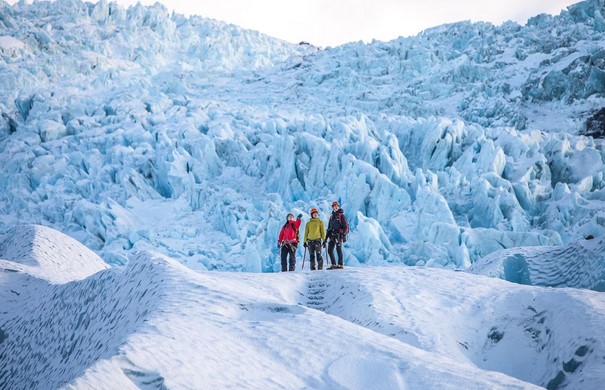
Glaciers are among the most dramatic natural landscapes on Earth. Vast rivers of ice, crevasses carved by time, and shimmering blue formations create an environment that feels both otherworldly and humbling. Hiking on a glacier differs significantly from traditional trekking, as the terrain is constantly shifting due to melting, refreezing, and slow movement of the ice itself.
One of the key attractions of glacier hiking is its sense of exclusivity. These environments are inaccessible without specialized equipment and expert guidance, which adds to the feeling of embarking on a rare and purposeful journey. Crampons, ice axes, and safety ropes are not merely tools but essential companions that allow adventurers to move safely across unpredictable surfaces.
Beyond the technical aspects, glacier hiking encourages heightened awareness. Every step requires attention, and this focus fosters a deep connection to the surroundings. The silence of vast ice fields, broken only by the distant crack of shifting ice, creates a powerful contrast to the noise of everyday life. For many adventurers, this quiet intensity becomes one of the most memorable elements of the experience.
Global Destinations That Define Frozen Treks
Several regions around the world have become renowned for offering exceptional glacier hiking opportunities, each with distinct characteristics shaped by climate and geography. These destinations demonstrate how diverse glacier environments can be, even though they share similar risks and rewards.
Iceland stands out as a premier location due to its accessibility and dramatic landscapes. Glaciers there are often combined with volcanic terrain, offering hikers a rare chance to experience fire and ice within a single journey. Clearly marked routes and experienced guides make Iceland suitable for both first-time and seasoned glacier hikers.
In the European Alps, glacier hiking is deeply connected to mountaineering traditions. Trails often form part of longer alpine routes, blending glacier travel with high-altitude trekking. These journeys emphasize endurance and technical skill, while also showcasing centuries-old human interaction with mountain environments.
Patagonia offers a more remote and rugged experience. Massive ice fields stretch across national parks, creating a sense of vastness and isolation. Hiking in this region often involves longer expeditions and variable weather, rewarding participants with unparalleled views and a strong sense of accomplishment.
Preparation, Safety, and Environmental Responsibility
Glacier hiking demands thorough preparation. Physical conditioning is essential, as walking on ice requires balance and sustained effort. Travelers must also be mentally prepared to follow strict safety protocols, including roped travel and constant communication with guides. These measures are not optional; they are fundamental to navigating environments where conditions can change rapidly.
Professional guides play a critical role in glacier hiking trips. Their expertise includes route assessment, crevasse detection, and emergency response. Equally important is their ability to educate participants about glacial formation, movement, and the impacts of climate change. This knowledge transforms the hike into an informative experience rather than a purely physical challenge.
Environmental responsibility is another central consideration. Glaciers are highly sensitive to human activity, and even small disturbances can accelerate melting or damage fragile surfaces. Responsible operators limit group sizes, follow established routes, and emphasize minimal impact practices. Travelers are encouraged to respect these guidelines, recognizing that preservation is essential for the future of glacier exploration.
The Deeper Meaning of Walking on Ice
Beyond adventure, glacier hiking offers a profound perspective on time and change. Glaciers are living records of Earth’s climate history, storing layers of ice that reflect centuries of environmental conditions. Walking across them creates an intimate awareness of their scale and vulnerability, especially as many glaciers are retreating at unprecedented rates.
This awareness often leaves a lasting impression on participants. Many adventurers report a renewed sense of environmental responsibility after witnessing glacial landscapes firsthand. The experience fosters appreciation not only for natural beauty but also for the urgency of conservation efforts.
In conclusion, glacier hiking trips provide a rare combination of challenge, education, and reflection. They invite adventurers to step into frozen worlds that test physical limits while offering insights into the planet’s changing climate. As long as these journeys are approached with respect, preparation, and sustainability in mind, they will continue to inspire awe and responsibility in those who choose to walk across the ice.
Frozen Thrills: Glacier Skiing Holidays for Winter Enthusiasts
Source:https://tripjive.com
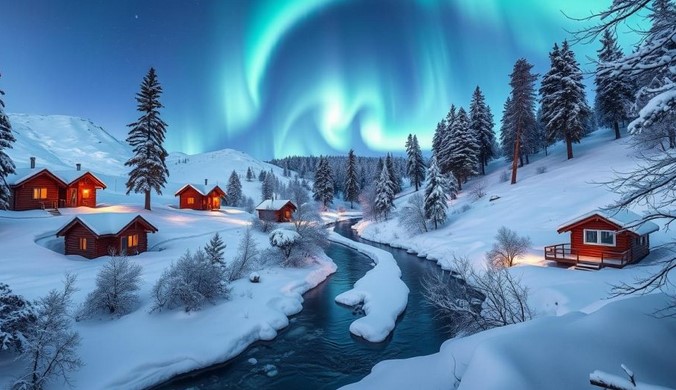
For skiers and snowboarders who crave something extraordinary, glacier skiing holidays offer the ultimate blend of adventure and pristine natural beauty. Imagine carving through fresh powder on a vast, ancient ice field, surrounded by towering mountain peaks and untouched snow. Glacier skiing, often available at high-altitude resorts in the Alps, North America, and beyond, opens up a world of possibilities for winter enthusiasts seeking a thrilling yet serene winter experience. These holidays provide not only world-class skiing but also an unparalleled opportunity to explore some of the most awe-inspiring and remote landscapes on Earth.
Unlike typical ski resorts that cater mainly to traditional slope-based skiing, glacier skiing holidays take you to higher, less accessible altitudes where the snow is often more reliable, and the crowds are fewer. Whether you’re a seasoned pro looking for challenging terrain or a beginner eager to try something new, glacier skiing offers something for every level of skier or snowboarder. Let’s explore the unique appeal of these holidays, the best destinations for glacier skiing, and what you can expect when venturing onto these frozen giants.
What Makes Glacier Skiing Holidays Unique?
Glacier skiing is different from regular skiing for several reasons, most notably the terrain and snow conditions. Glaciers are permanent or semi-permanent ice masses that flow and deform over time, creating unique skiing opportunities that can’t be found on regular mountain slopes. Here’s why glacier skiing holidays stand out:
1. Reliable Snow Conditions
One of the key draws of glacier skiing is the consistency of snow. Since glaciers are located at higher altitudes, the snowpack remains solid, even in late spring or early fall when lower-altitude resorts may face less-than-ideal conditions. This means skiers can enjoy reliable, well-maintained runs throughout the ski season.
The snow is often packed firmer on glaciers, offering a different but exhilarating experience compared to traditional powder snow. Furthermore, glaciers can offer access to off-piste areas and untouched backcountry runs, providing a sense of adventure and exploration that regular ski resorts can’t match.
2. Spectacular, Remote Locations
Many glaciers are situated in some of the most stunning and remote regions of the world, where natural beauty is untouched and pristine. Skiing on a glacier allows you to experience the landscape in its rawest form—towering peaks, deep crevasses, and sweeping ice fields. These areas are often less commercialized and less crowded, providing a more peaceful and intimate connection to nature.
3. Extended Ski Seasons
Because of the altitude and the year-round snow cover, glacier resorts tend to have a much longer ski season than regular ski resorts. In some destinations, you can ski well into late spring and even summer, making glacier skiing holidays an ideal option for those looking to extend their winter adventures beyond the typical ski season.
4. Glacier Skiing Offers More Than Just Skiing
Glacier skiing holidays are often located in areas that offer more than just skiing. Many destinations provide opportunities for snowboarding, ice climbing, glacier hiking, and even scenic helicopter rides, all in a jaw-dropping landscape. In addition, luxurious alpine lodges and spas await at the base of the glaciers, making it the perfect destination for those who want to combine their love for winter sports with indulgent relaxation.
Top Destinations for Glacier Skiing Holidays
1. Chamonix-Mont-Blanc, France – A Skiing Icon in the French Alps
Chamonix is one of the most renowned ski destinations in the world and a leader in glacier skiing holidays. Located at the foot of Mont Blanc, the highest peak in the Alps, Chamonix offers an array of slopes that cater to all skill levels, with the added bonus of skiing on the legendary Mer de Glace Glacier. This vast ice field, accessible by the Montenvers Railway, provides exhilarating skiing experiences along its glacier pistes.
Chamonix also offers guided off-piste and heli-skiing opportunities, allowing you to explore the surrounding glaciers and alpine valleys. The area’s rich history, charming town, and outstanding après-ski scene make it an attractive destination for winter enthusiasts who want both adventure and luxury.
2. Zermatt, Switzerland – Skiing with Views of the Matterhorn
Zermatt is another top destination for glacier skiing holidays, famous for its stunning views of the Matterhorn. The resort boasts a huge range of skiing options, including the extensive Matterhorn Glacier ski area, which allows skiers to enjoy skiing at heights of over 3,800 meters. Zermatt’s ski season extends well into summer, thanks to its high-altitude location, and the glacier ski area is one of the few places in the world where you can ski year-round.
The resort’s car-free village is perfect for relaxation, offering top-notch hotels, restaurants, and spas. For those looking for an extra thrill, Zermatt also offers off-piste skiing, ice climbing, and helicopter tours of the Matterhorn and its surrounding glaciers.
3. Whistler Blackcomb, Canada – North America’s Premier Glacier Ski Resort
Whistler Blackcomb is North America’s largest ski resort and is known for its extensive glacier skiing options. Located in British Columbia, Whistler features the Blackcomb Glacier, which is accessible via the Glacier Chairlift. Skiers and snowboarders can enjoy skiing on the glacier well into the summer months, making it a prime location for glacier skiing holidays.
Whistler Blackcomb offers a wide range of activities, from skiing and snowboarding to snowshoeing, snowmobiling, and zip-lining. The resort is also known for its luxury accommodations, gourmet dining, and vibrant après-ski culture, making it a perfect destination for those seeking adventure alongside relaxation.
4. Sölden, Austria – Skiing at the Heart of the Ötztal Alps
Sölden is one of Austria’s best-known glacier ski resorts, home to the Rettenbach Glacier and Tiefenbach Glacier. With its high-altitude skiing, Sölden ensures a reliable snow cover and has one of the longest ski seasons in Europe, typically running from October through May. The resort also features several off-piste and backcountry routes for more experienced skiers.
The resort’s facilities include a mix of contemporary alpine chalets, luxury hotels, and spas that allow you to unwind after a day of exhilarating glacier skiing. Sölden is also home to a number of après-ski bars, so you can enjoy the lively nightlife after enjoying a day on the glacier.
In conclusion, glacier skiing holidays are the perfect choice for winter sports enthusiasts who want to take their skiing experience to the next level. These holidays offer the thrill of skiing on some of the world’s most stunning and remote glaciers, paired with the luxury and relaxation of world-class resorts. Whether you’re skiing on the Matterhorn in Zermatt, exploring the expansive glaciers of Whistler Blackcomb, or carving through the ice fields of Chamonix, these destinations offer a once-in-a-lifetime experience for those seeking adventure, beauty, and a true connection to nature. If you’re ready to experience the snow in its most raw and breathtaking form, a glacier skiing holiday is your ultimate winter escape.
Snowbound Luxury: Winter Skiing Resorts to Book
Source:https://www.pocketwanderings.com
For avid skiers and winter sports enthusiasts, there’s no better way to experience the season than by booking a stay at a luxurious ski resort. Winter skiing resorts offer not only exceptional skiing and snowboarding experiences but also top-tier amenities, exquisite accommodations, and world-class service. Whether you’re a seasoned skier looking for challenging slopes or a beginner searching for the perfect learn-to-ski destination, the best resorts offer something for everyone. From chic alpine chalets to five-star hotels, the ideal winter getaway is about more than just hitting the slopes—it’s about indulging in winter luxury while surrounded by snow-capped mountains and pristine landscapes.
As ski season approaches, many winter enthusiasts are looking to elevate their experience by staying at resorts that offer the perfect blend of adventure and relaxation. Whether nestled in the heart of the Alps, the Rockies, or the Pacific Northwest, winter skiing resorts provide an unparalleled opportunity to enjoy nature’s beauty and thrill, while also unwinding in luxurious surroundings. In this article, we explore some of the top winter destinations where skiing meets luxury, making it the ultimate winter vacation for those seeking both excitement and elegance.
The Ultimate Skiing Experience: What to Look for in Luxury Ski Resorts
When booking a stay at a luxury ski resort, the experience should go beyond just great skiing. High-end winter skiing resorts offer comprehensive packages that encompass everything from gourmet dining to spa treatments, guided tours, and even private ski instructors. Here are the key features that define a luxury skiing resort:
1. Premium Ski Slopes and Ski-in/Ski-out Access
The best luxury resorts are located in regions with exceptional ski conditions. They boast a variety of runs, ranging from beginner slopes to challenging black diamonds, ensuring that skiers of all levels can enjoy the terrain. For the ultimate convenience, ski-in/ski-out access is a must. This feature allows guests to step directly from their accommodations onto the slopes, making it easy to maximize time spent skiing and minimize time spent on transportation.
2. Upscale Accommodations and Services
Luxury ski resorts are known for their exquisite accommodations, ranging from expansive private chalets to intimate, boutique hotel rooms with panoramic mountain views. Many resorts offer high-end features like heated floors, private hot tubs, ski storage, and fireplace lounges. Room service, housekeeping, and concierge services are available to cater to guests’ every need, ensuring a comfortable, relaxing stay after a day on the slopes.
3. Gourmet Dining and Après-Ski Options
Winter skiing resorts are not only about skiing but also about indulging in exceptional dining experiences. Many resorts feature on-site restaurants offering gourmet meals prepared by renowned chefs. Whether you prefer a cozy fondue dinner in a mountain cabin or a sophisticated five-course meal with fine wines, luxury ski resorts provide a wide range of dining options that reflect both local and international flavors.
In addition, après-ski activities play a major role in the luxury experience. After a day on the slopes, unwind in resort bars, lounges, or even outdoor hot tubs with breathtaking views. Many resorts also offer live music, entertainment, and even private events to keep the spirit of the mountains alive after the sun sets.
Top Luxury Winter Skiing Resorts Around the World
1. St. Anton, Austria – A Snow Lover’s Paradise
Located in the Tyrolean Alps, St. Anton is one of the most famous and stylish winter skiing resorts in Europe. Known for its challenging slopes and vibrant après-ski scene, St. Anton attracts elite skiers and snowboarders. The resort’s luxury accommodations range from traditional alpine chalets to five-star hotels with world-class amenities, such as spas, saunas, and heated outdoor pools. For those seeking a balance of adventure and relaxation, St. Anton offers excellent skiing options paired with a bustling nightlife and high-end dining experiences.
2. Courchevel, France – The Pinnacle of Alpine Luxury
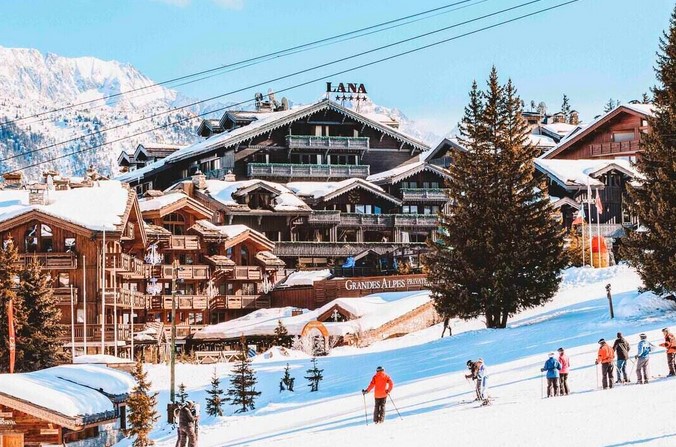
Courchevel, part of the Les Trois Vallées ski area in the French Alps, is a go-to destination for luxury skiers looking for world-class service and breathtaking landscapes. This resort is renowned for its chic atmosphere, with upscale boutiques, Michelin-star restaurants, and lavish hotels. The resort boasts an impressive 600 kilometers of ski slopes, making it one of the largest ski areas in the world. Courchevel is known for its ultra-luxurious chalets, which include amenities such as private ski rooms, cinemas, and even in-house chefs.
3. Aspen, Colorado, USA – The American Skiing Jewel
Aspen is synonymous with luxury, and for good reason. Located in Colorado’s Rocky Mountains, it offers world-class skiing with four major mountains to choose from: Aspen Mountain, Aspen Highlands, Buttermilk, and Snowmass. Aspen’s resort amenities are unrivaled, with high-end boutiques, galleries, spas, and gourmet dining options. Luxury hotels like The Little Nell, St. Regis, and Hotel Jerome offer impeccable service and stunning mountain views, and private ski guides can tailor your experience to suit your level and style. Aspen also attracts celebrity guests, ensuring its place as one of the most exclusive winter destinations in the U.S.
4. Zermatt, Switzerland – Skiing with a View of the Matterhorn
Zermatt, at the foot of the iconic Matterhorn mountain, is a luxury skiing destination that offers breathtaking views and world-class slopes. The resort is car-free, adding to its charm and tranquility. Skiing enthusiasts will love Zermatt’s extensive network of slopes, suitable for all skill levels, as well as its unique position on the border of Switzerland and Italy, providing access to cross-border skiing. Zermatt is home to some of the finest luxury hotels in Europe, such as The Omnia and The Kulm Hotel, which offer unrivaled views, spas, and gourmet restaurants.
5. Whistler Blackcomb, Canada – An Icon of North American Skiing
Whistler Blackcomb is North America’s largest ski resort, attracting thousands of visitors each year. The resort offers a variety of slopes, a long ski season, and top-notch amenities. Ski-in/ski-out accommodations, luxury chalets, and hotels like the Four Seasons and Fairmont Chateau Whistler provide ultimate comfort after a day on the slopes. The resort is also known for its high-end dining options, which range from rustic mountain lodges to elegant restaurants serving fine cuisine. Whistler’s après-ski scene is also lively, with sophisticated lounges and cozy bars offering signature cocktails and spectacular mountain views.
In conclusion, winter skiing resorts offer an unparalleled blend of adventure, relaxation, and luxury for those looking to experience the best of both worlds. Whether you’re exploring the slopes of the Alps, the Rockies, or the Pacific Northwest, these resorts provide top-tier amenities, breathtaking views, and impeccable service. For those who seek not just a skiing vacation, but a winter getaway that includes fine dining, indulgent spa treatments, and the perfect balance of action and comfort, these destinations are a dream come true. Whether you’re carving through fresh powder or unwinding by a roaring fire, winter skiing resorts provide an unforgettable experience for luxury travelers seeking the ultimate snowbound escape.