


Sacred Walls: Ancient Temples to Explore Around the World
Source:https://cdn.mos.cms.futurecdn.net
You are standing in the pitch black at 4:30 AM, shivering in the humid tropical night, surrounded by the hushed whispers of thousands of strangers. Slowly, the sky bleeds from deep indigo to a bruised purple, revealing the iconic, lotus-bud silhouettes of a structure built nearly a thousand years ago. As the sun strikes the central towers, the ancient stones glow like molten copper.
If you have ever traveled halfway across the globe to see a legendary monument, only to find yourself jostled by selfie sticks and drowned out by megaphones, you know the ultimate travel frustration. We seek these places to connect with something ancient and profound, yet the modern tourism machine often leaves us feeling disconnected.
Over the past decade of exploring archaeological wonders across five continents, I have realized that visiting cultural ancient temples requires more than just buying a ticket. It demands a shift in perspective. To truly hear the stories locked inside these sacred walls, you need to understand the architectural genius, the spiritual blueprints, and the practical insider strategies that separate a frustrating tourist trap from a transcendent travel experience.
The Architectural Blueprint: More Than Just Stone
To the untrained eye, an old temple is simply a beautiful stack of weathered stones. But ancient architects did not build on a whim; they were constructing cosmic models.
Think of a sacred temple like a physical manifestation of an ancient encyclopedia. Every carving, alignment, and doorway was a deliberate line of code written to explain the universe, track the solar calendar, or bridge the gap between humans and the divine.
When you explore these structures, you are walking through living history books. The engineering methods used to build them—often without modern mortar or cranes—still baffle contemporary engineers. Understanding this hidden language transforms a simple walk into a fascinating historical detective hunt.
Phenomenal Cultural Ancient Temples Worth the Pilgrimage
While thousands of sacred ruins dot our planet, a few key complexes offer an unparalleled blend of historical depth, architectural brilliance, and cultural impact. If you are looking to dive deep into ancient history, these three legendary locations should be at the top of your travel itinerary.
1. Angkor Wat, Cambodia: The Cosmic Ocean in Stone
Angkor Wat is not just a single building; it is the largest religious monument in the world, spanning over 160 hectares. Built in the 12th century by the Khmer Empire, it represents the pinnacle of classical Khmer architecture.
-
The Technical Wonder: The entire complex is a physical replica of the Hindu universe. The central towers represent Mount Meru (the home of the gods), the outer walls represent the edge of the world, and the massive moat represents the cosmic ocean.
-
My Personal Insight: Most travelers follow the exact same route: sunrise at the front reflection pond, followed by a direct march into the central complex. Break the mold by entering through the lesser-known East Gate at dawn. You will experience the temple in near-total solitude as the jungle wakes up around you, completely avoiding the early morning bottlenecks.
2. Tikal, Guatemala: Skyscrapers of the Maya Jungle
Deep within the rainforests of Northern Guatemala lie the limestone ruins of Tikal, one of the most powerful kingdoms of the ancient Maya civilization, flourishing between 200 and 900 CE.
-
The Architecture: Unlike the sprawling horizontal footprints of Asian temples, the Maya built steep, vertical limestone pyramids that pierce through the dense jungle canopy like ancient stone skyscrapers.
-
The LSI Connection: Tikal is a masterclass in archaeoastronomy. The positioning of Temple I and Temple II was precisely calculated to align with the sun during the spring and autumn equinoxes, serving as a massive agricultural calendar for the Maya people.
3. The Hypostyle Halls of Luxor and Karnak, Egypt
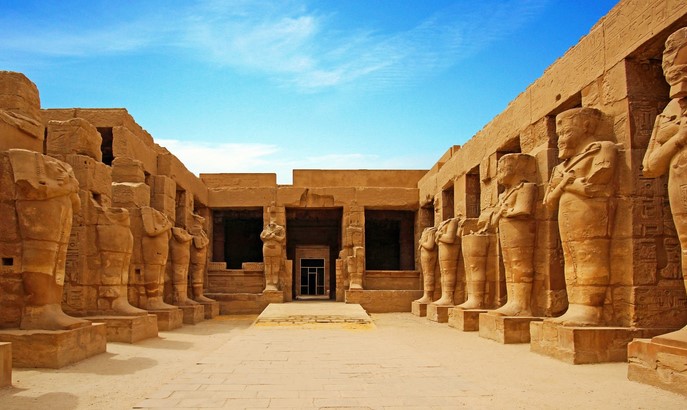
Dating back over 3,000 years, the Karnak Temple Complex in Luxor is an overwhelming testament to the ambition of successive New Kingdom Pharaohs.
-
The Experience: Walking into the Great Hypostyle Hall is a humbling experience. You are surrounded by 134 massive sandstone columns, arranged in 16 rows, standing up to 21 meters high.
-
The Architectural Analogy: Think of a hypostyle hall as an ancient stone forest. The columns mimic giant papyrus stalks, creating a deliberate play of light and shadow that symbolised the primordial marsh from which the Egyptian gods created the world.
Terminology of the Sacred: Decoding Temple Anatomy
Before you jet off on your next archaeological expedition, learning a few architectural and structural terms will help you understand exactly what you are looking at:
| Technical Term | What It Represents | Why It Matters to Your Visit |
| Bas-Relief | Shallow, detailed carvings sculpted directly into a flat stone wall. | Tells the mythological and historical stories of the empire. |
| Lintel | A horizontal support beam spanning the opening between two vertical posts. | Often contains the most intricate and preserved decorative carvings. |
| Stela | An upright stone slab or pillar bearing inscriptions, relief designs, or flags. | Acts as an ancient monument or billboard recording historic royal decrees. |
| Sanctum Sanctorum | The “Holy of Holies”—the innermost holy chamber of a temple. | The spiritual focal point where the primary deity or relic was housed. |
💡 Pro-Tip: The “Midday Heat” Alternative
The vast majority of travel blogs will tell you to visit temples at the crack of dawn. While sunrise is beautiful for photography, it is also the most crowded time of day. If you want to explore the stones in quiet contemplation, head out during the absolute hottest hours of the day (between 12:00 PM and 2:30 PM). Bring plenty of water, wear a wide-brimmed hat, and you will find the crowds drop by up to 70% as tour buses head back to hotels for lunch.
The Destruction of Touch
It is an incredibly natural human instinct to want to run your hands along a beautifully carved, 1,000-year-old stone wall. However, this is one of the most damaging things a traveler can do.
Our hands carry natural oils, sweat, and acidic moisture. Multiply your single touch by millions of visitors per year, and those ancient details quickly erode, turning intricate historical records into smooth, featureless rock. Keep your hands to yourself, stay behind the designated protective barriers, and help preserve these incredible cultural ancient temples for future generations to admire.
How to Respectfully Plan Your Temple Exploration
To ensure your journey into ancient history is smooth, rewarding, and culturally respectful, keep this practical checklist in mind:
-
Follow the Local Dress Code: These sites are ancient ruins, but to the local communities, they remain deeply sacred active places of worship. Always cover your shoulders and knees. Carrying a lightweight sarong in your daypack is a lifesaver.
-
Hire an On-Site, Licensed Guide: Skip the generic audio apps. Hiring a local guide at the gate provides direct economic support to the community and gives you access to personal anecdotes and hidden architectural secrets you won’t find on a Google search.
-
Look Beyond the Main Structure: The grand central towers get all the fame, but the smaller, outlying libraries, overgrown courtyards, and crumbling boundary walls often hold the most atmospheric charm and quiet beauty.
The Lasting Echo of the Stones
Ultimately, visiting an ancient temple is a lesson in humility. These structures have outlived empires, survived wars, and weathered centuries of shifting climates. Standing within their walls reminds us of the incredible creativity, resilience, and spiritual ambition of the human spirits that came before us.
Over to You! Which ancient temple around the world has left the biggest impression on you, or which iconic ruins are you dying to explore next? Let me know your thoughts and travel plans in the comments below—let’s swap stories!