


Monthly Archives: April 2026
Water on a Budget: Boat Tours for Affordable Adventures

Source:https://media-cdn.tripadvisor.com
You’re standing on a sun-drenched pier in Amalfi or Santorini, watching a sleek white yacht disappear into the horizon. You check the price board: $800 for a private half-day charter. Your heart sinks. Most travelers believe that the “nautical life” is a luxury reserved for the 1%, but here is a staggering reality: in most coastal heritage sites, the local public ferry system follows the exact same scenic route as the luxury cruises for less than 5% of the cost.
Over the last decade, I’ve navigated everything from the chaotic “longtail” traffic of Bangkok to the icy fjords of Norway. I’ve learned that budget boat tours aren’t just about saving money; they are about authenticity. When you ditch the “champagne sunset” tourist trap, you find yourself sitting next to a fisherman or a local student, seeing the coastline through the eyes of the people who actually live there.
Why Boat Tours are the Ultimate Perspective Shift
Think of a city or a coastline like a large-scale painting. Walking through the streets is like looking at the brushstrokes—you see the detail, but you miss the composition. Getting on the water is like stepping back ten feet. Suddenly, the skyline, the geological formations, and the “merroir” of the region become clear.
For the beginner and intermediate traveler, budget boat tours provide the most significant “experiential ROI” (Return on Investment). You gain access to hidden coves, limestone karsts, and marine ecosystems that are physically inaccessible by foot or car. But doing it cheaply requires a tactical shift in how you view “maritime transport.”
The “Commuter Hack”: Turning Public Transit into a Tour
The single best technical tip I can give is to stop searching for “tours” and start searching for “waterborne public transit.” * The Vaporetto (Venice, Italy): Why pay $100 for a gondola when the #1 Vaporetto takes you down the Grand Canal for the price of a coffee? The technical view is identical, and you have more space to move around.
-
The Chao Phraya Express (Bangkok, Thailand): For about $0.50, these orange-flag boats weave through the heart of the city, passing the Grand Palace and Wat Arun. It’s a high-speed, high-adrenaline look at a “Venice of the East” without the luxury markup.
-
Star Ferry (Hong Kong): It is technically one of the world’s most efficient commuter routes, but it offers the most famous skyline view on the planet for pennies.
Strategic Planning for Budget Boat Tours
To master the art of the affordable voyage, you need to understand the nautical logistics of your destination.
1. The “Off-Peak” Charter
If you must have a private experience, never book at the pier. Use the “Shoulder Hour” strategy. Boats are most expensive between 10:00 AM and sunset. However, if you negotiate for an “Early Bird” departure at 7:00 AM, many captains will give you a 30-50% discount just to ensure their vessel is generating revenue before the primary rush.
2. Group Consolidation and “Last-Minute” Filling
Intermediate travelers know about the “Empty Seat” rule. Many mid-sized catamarans or glass-bottom boats have a minimum passenger requirement to cover fuel costs. If you show up 15 minutes before departure and see empty seats, the operator is often willing to slash the price to zero-out their overhead.
3. Understanding Vessel Types
Don’t pay for a “speedway” experience if you want a “scenic” one.
-
Rigid Inflatable Boats (RIBs): High speed, low comfort, higher fuel cost.
-
Traditional Wooden Boats: Lower speed, higher authenticity, significantly lower daily operating costs—which usually translates to a cheaper ticket for you.
💡 Pro Tip: The “Reverse Current” Insight
When booking a river boat tour (like on the Rhine or the Danube), always look for the downstream leg of the journey. Boats traveling downstream consume significantly less fuel and often complete the route faster. Many operators will offer a “One-Way” budget ticket for the downstream trip, while charging a premium for the slower, fuel-heavy upstream return.
Technical Gear: Surviving the Sea on a Shoestring
On a budget boat tour, you won’t have a steward handing you towels or sunscreen. You are your own quartermaster.
-
Dry Bags (IPX6 Rating): Essential. A budget boat often means more “splash” and less “enclosed cabin.” Protecting your camera and phone from saltwater corrosion is a technical necessity.
-
Polarized Optics: Standard sunglasses won’t cut it. To see the marine life under the surface (the Benthic Zone), you need polarized lenses to cancel the “specular reflection” of the sun off the water.
-
Non-Drowsy Meclizine: If you are a beginner, don’t let sea sickness ruin your investment. Take your medication 60 minutes before you step on the deck. Once you feel sick, the “vestibular conflict” has already started, and it’s too late.
Navigating the “Tourist Trap” Warning Signs
I’ve seen too many travelers get burned by “All-Inclusive” deals. Here is the technical breakdown of what to avoid:
-
The “Free” Buffet: In the world of budget boat tours, “free food” usually means low-quality calories that sit in the sun. You are paying for the weight of that food in fuel. Bring your own high-protein snacks and save $20.
-
The “Secret Beach” Fallacy: If a tour operator claims a beach is secret, check AIS (Automatic Identification System) data or even just Google Maps. If there is a pier or a clear path, it’s not secret. You’re better off paying a local “water taxi” to drop you at a truly remote cove.
Essential Scannable Checklist for Your First Boat Adventure
-
Check the Weather (Wind Speed): Anything over 15 knots (17 mph) will make a budget boat uncomfortable and potentially dangerous for beginners.
-
Hydration: Salt air accelerates dehydration via osmotic pressure. Bring double the water you think you need.
-
Sun Protection: Reflection off the water increases UV exposure by up to 25%. Apply sunscreen behind your ears and under your chin!
-
Local Licensing: Ensure the boat has a visible safety certificate. On a budget, don’t sacrifice your life for a $10 saving.
Conclusion: The Horizon belongs to the Bold
Budget boat tours are proof that you don’t need a yacht to have a world-class nautical adventure. By understanding the local transit systems, mastering the timing of your booking, and coming prepared with the right technical gear, you can experience the magic of the open water for the price of a decent lunch.
The ocean is the world’s last great wilderness. It doesn’t care about the price of your ticket—the dolphins jump the same, the sunset glows just as bright, and the wind feels just as fresh whether you’re on a million-dollar cruiser or a local wooden ferry.
Have you ever discovered a “secret” ferry route that felt like a private tour? Or are you planning your first voyage and feeling a bit nervous about the logistics? Let’s swap sea stories in the comments below!
Wings in the Wild: Birdwatching Reserves Worth Exploring

Source:https://dynamic-media-cdn.tripadvisor.com
You are standing in a mud-caked hide at 5:30 AM, the air is a damp blanket against your skin, and your neck is beginning to cramp. Suddenly, a flash of iridescent cobalt streaks across the reeds—a Kingfisher on the hunt. In that split second, your heart rate spikes more than it would during a high-stakes meeting. Most people think birding is a sedentary hobby for the retired, but here is a staggering reality: birdwatching reserves are the front lines of a multi-billion dollar ecotourism industry that tracks the literal health of our planet’s air and water.
Over the last decade, I’ve lugged spotting scopes through the cloud forests of Ecuador and the mangrove swamps of Indonesia. I’ve learned that birding isn’t just about “seeing a bird”; it’s about decoding the secret language of an ecosystem. If you’ve ever felt frustrated because you couldn’t tell a sparrow from a swallow, you’re not alone. The secret isn’t better eyes; it’s better situational technicality.
Why Birdwatching Reserves are Nature’s Living Laboratories
Think of a birdwatching reserve as a giant, biological switchboard. In a city, you only see the “generalists”—the pigeons and crows that have adapted to human noise. In a dedicated reserve, you are looking at the “specialists.” These birds are the sensitive sensors of the earth; if the water is slightly too acidic or the insect population drops by 5%, the birds are the first to disappear.
By visiting birdwatching reserves, you are stepping into a high-resolution version of nature. It’s like switching from an old tube TV to a 4K monitor. The colors are sharper, the sounds are layered, and the stakes are real. For the beginner, it’s a hobby; for the intermediate enthusiast, it’s a masterclass in ornithological data collection and habitat conservation.
Technical Mastery: How to “Read” a Reserve
To maximize your time at any birding hotspot, you need to understand the topography of the avian world. Most beginners make the mistake of looking “everywhere.” The pros look at “edges.”
1. The Ecotone Strategy
An Ecotone is a technical term for the transition zone between two biological communities—where the forest meets the field, or the lake meets the shore. Birds love these boundaries because they provide double the resources. When you enter a reserve, don’t rush into the deep woods; spend your time at the “edges.”
2. Understanding the Flyway
Reserves aren’t just random patches of trees; they are usually strategic “fueling stations” along a Flyway (a migratory highway). If you visit during the Peak Migration Window, you aren’t just seeing local birds; you are seeing “long-haul travelers” that might be midway through a 10,000-mile journey from the Arctic to the Tropics.
3. The Audio-Visual Spectrum
Intermediate birders rely on Ear Birding. Research suggests that we identify up to 70% of bird species in a reserve by sound before we ever see them. Mastering “bird mnemonics”—the way we translate bird calls into human phrases—is the fastest way to level up your technical skill.
Top Global Reserves for Every Life List
After ten years of “chasing wings,” these three birdwatching reserves stand out as the absolute gold standard for both accessibility and biological diversity.
-
Manu National Park, Peru: This is the “Everest” of birding. With over 1,000 species, it holds some of the highest avian density on the planet. The technical draw here is the “clay licks,” where hundreds of Macaws gather to eat mineral-rich soil to neutralize toxins in their diet.
-
Mai Po Nature Reserve, Hong Kong: A masterclass in wetland management. Situated on the East Asian-Australasian Flyway, it’s an essential stopover for the endangered Black-faced Spoonbill. The hide system here is world-class, designed with technical sightlines that minimize human disturbance.
-
Kruger National Park, South Africa: While famous for the “Big Five,” Kruger is a hidden gem for raptor enthusiasts. You can witness the complex commensalism between large mammals and birds, such as Oxpeckers cleaning parasites off a Cape Buffalo.
💡 Pro Tip: The “Invisible” Birder Secret
Most beginners wear bright “safari” whites or vibrant blues. This is a technical error. Birds have tetrachromatic vision, meaning they see UV light and are incredibly sensitive to movement and color contrast. Wear muted greens, browns, or greys. More importantly, move at “glacial speed.” A sudden arm movement to point at a bird is like a flare gun going off in their world. Use your “clock-face” to describe locations (e.g., “3 o’clock in the oak tree”) rather than pointing.
The Gear: Optics and Digital Tools
Even on a budget, you need “Technical Enablers” to bridge the gap between you and the canopy.
-
Binoculars (The 8×42 Standard): Don’t be tempted by “high power” 10x or 12x magnification. The 8x refers to the zoom, and the 42 refers to the objective lens diameter in millimeters. An 8×42 pair offers the perfect balance of field-of-view and light-gathering capability, which is essential in the dim light of a forest understory.
-
Field Guides vs. Apps: While I love a physical book, apps like Merlin Bird ID are technical miracles. They use AI to analyze the “sonogram” of a bird call or a photo to give you a real-time identification.
-
The Spotting Scope: For intermediate birders visiting birdwatching reserves with large bodies of water, a tripod-mounted scope is essential. It allows you to see the “fine-feather detail” of shorebirds hundreds of meters away without causing “flush” (scaring the birds into flight).
The Hidden Warning: The Ethics of the “Call-Back”
Here is a warning you won’t find in most glossy brochures: Avoid excessive “Pishing” or using digital bird call playbacks. Many travelers use apps to blast a bird’s song to lure it closer for a photo. Technically, this is a stressor. The bird thinks a rival has entered its territory, wasting precious energy defending a “ghost” rather than foraging or mating. In high-traffic birdwatching reserves, this can lead to birds abandoning their nests. Be a witness, not a disturber.
Scannable Reserve Etiquette & Safety
-
The “Golden Hour”: Birds are most active within the first two hours of sunrise. If you arrive at 10:00 AM, you’ve missed the main event.
-
Sun Protection: Even in a shaded forest, UV bounce-back from water can cause severe burns. Use mineral-based sunblock that won’t sting your eyes when you look through binoculars.
-
Footwear: Water-resistant boots with a silent sole (avoiding loud, clicking heels) are essential for stealthy movement.
-
Documentation: Keep a “Life List.” It’s not just for ego; it’s a technical record of your observations that can be uploaded to eBird, contributing to global citizen science.
Conclusion: A Symphony for the Soul
Visiting birdwatching reserves is a reminder that we share this planet with incredibly complex, high-performance athletes of the air. When you finally stop looking at your phone and start looking through your lenses, the world becomes much larger and more interconnected.
The first time you identify a rare species by its silhouette alone, something changes in you. You aren’t just a tourist anymore; you’ve become a part of the “Great Watch.” So, grab your optics, check the weather, and head to the nearest reserve. The birds have been waiting for you to notice them.
What is the one “bucket list” bird you’ve always wanted to see in the wild? Or do you have a favorite local reserve that feels like a hidden sanctuary? Let’s swap sightings in the comments below!
From Kitchen to Culture: Culinary Cooking Trips Abroad

Source:https://www.flashpack.com
You are standing in a humid, bustling morning market in Oaxaca, Mexico. Your guide, a third-generation mole master, hands you a dried chili and tells you to smell—not just the spice, but the smoke, the earth, and the history of the soil it grew in. Most travelers believe they’ve “experienced” a culture because they ate at a top-rated restaurant on TripAdvisor. But here is the cold, hard truth: eating a dish is just the final chapter of a story you haven’t actually read yet.
Over the last decade, I’ve transitioned from a casual foodie to a dedicated culinary nomad. I’ve kneaded pasta dough in dusty Tuscan farmhouses and balanced the five flavors of Thai cuisine in a scorching Bangkok alleyway. I’ve learned that culinary cooking trips are the ultimate “backstage pass” to a civilization. When you move from the dining table to the prep station, the architecture of a culture suddenly makes sense.
Why Culinary Cooking Trips are the Ultimate Cultural Deep-Dive
Think of a country’s culture like a complex piece of software. The sights, the music, and the language are the “user interface”—the part you see and interact with easily. The food, however, is the source code. It contains the history of migration, the technical constraints of the local climate, and the socio-economic evolution of the people.
By engaging in culinary cooking trips, you stop being a consumer and start being a practitioner. You learn the “why” behind the “what.” You begin to understand why a certain region favors fermentation (preservation) or why another relies on high-heat stir-frying (fuel efficiency). It is an educational immersion that engages all five senses simultaneously.
Technical Mastery: What to Expect in the Kitchen
For the beginner and intermediate traveler, a cooking trip is often a blend of market tours and hands-on instruction. However, the technical depth can vary wildly depending on your choice.
1. The Market-to-Table Workflow
Most high-quality culinary cooking trips begin at the source. This is where you learn the “Technical Specs” of ingredients. You’ll learn to identify heirloom varieties, understand the brix level (sugar content) of tropical fruits, and recognize the freshness of proteins through visual and olfactory cues. This isn’t just shopping; it’s a masterclass in supply chain and raw material quality.
2. Regional Knife Skills and Heat Control
Every culture has its “standard operating procedures.” In Japan, you might learn the Katsuramuki technique (sheeting a vegetable); in France, you’ll master the Mirepoix and the science of the Maillard Reaction—the chemical reaction between amino acids and reducing sugars that gives browned food its distinctive flavor. These are transferable skills that upgrade your kitchen at home forever.
3. Flavor Balancing and The Fifth Taste
Intermediate cooks will appreciate the deep dive into Umami and the technical balance of acidity, salinity, bitterness, and sweetness. You’ll learn how to use “flavor bridges” to connect disparate ingredients, a skill that separates a recipe-follower from a true chef.
Choosing Your Flavor: Top Destinations for 2026
If you are ready to book, these three regions offer the most robust and technically rewarding culinary cooking trips for travelers.
-
Bologna, Italy (The Fat City): This is the heart of handmade pasta. The focus here is on the hydration levels of dough and the traditional use of “Soft Wheat” (Farina 00). You’ll learn why the geometry of a pasta shape is technically designed to “hold” a specific type of sauce.
-
Chiang Mai, Thailand: Ideal for those who want to master aromatic extraction. You’ll learn the physical labor of using a mortar and pestle to release essential oils from galangal, lemongrass, and kaffir lime—a process that food processors simply can’t replicate.
-
San Sebastian, Spain: The world capital of “New Basque” cuisine. Here, the focus is on molecular gastronomy lite and the creative use of seafood. You’ll learn about the “Cold Chain” of the Bay of Biscay and how it dictates the texture of the fish on your plate.
💡 Pro Tip: The “Non-Tourist” Search Filter
When booking culinary cooking trips, avoid the “Top 5” results on major booking platforms. These are often “entertainment-first” classes designed for large groups. Instead, search for “Market-driven cooking workshops” or “Regenerative farm-to-table immersions.” Look for classes that limit their size to 6 people or fewer. The technical “Learning Curve” is much steeper when you have the instructor’s undivided attention on your pan-tossing technique.
Essential Gear for the Culinary Traveler
Even if the school provides the equipment, a pro traveler brings a “Culinary Kit” to ensure they can document and recreate the magic.
-
Digital Thermometer: A pocket-sized thermocouple is a technical lifesaver. Whether you’re tempering chocolate or checking the internal temp of a roast, precision is the difference between a “good” meal and a “perfect” one.
-
A High-Quality Notebook: In a humid kitchen, your phone screen is your enemy. Use a stone-paper waterproof notebook to jot down ratios and “Chef’s Secrets” that aren’t in the printed recipe.
-
pH Test Strips: For intermediate travelers interested in fermentation trips (like kimchi in Korea or sourdough in San Francisco), knowing the acidity level is a vital safety and quality metric.
The Hidden Warning: The “Authenticity” Trap
As someone who has been in the industry for a decade, I have a warning: “Authentic” doesn’t always mean “Traditional.”
Food is a living thing. A chef in Lyon might use modern Sous-vide techniques to perfect a classic Coq au Vin. Don’t dismiss modern technology in the kitchen. The best culinary cooking trips are those that teach you how ancient flavors are being preserved using modern technical precision. If a class forbids modern tools just for “show,” they might be prioritizing the “vibe” over the actual culinary science.
Scannable Culinary Trip Checklist
-
Skill Level: Be honest. Don’t jump into a “Masterclass” if you haven’t mastered basic knife safety.
-
Dietary Logistics: If you are vegan or gluten-free, some regions (like Central France or Korea) can be technically challenging. Communicate your macronutrient requirements months in advance.
-
Seasonality: Research the harvest cycles of your destination. There is no point in a truffle-hunting trip in Italy during the heat of July.
-
Transporting Spices: Check the customs and biosecurity laws of your home country. Many travelers have their expensive, hand-ground spices confiscated because they didn’t understand the “Treated vs. Raw” technical definitions.
Conclusion: Cooking is the New Universal Language
Culinary cooking trips change you. You return home not just with a suitcase full of saffron or sea salt, but with a new way of looking at the world. You realize that a recipe is just a set of instructions, but the technique is the soul.
When you stand in a foreign kitchen, sweat on your brow and a local chef nodding at your perfectly seasoned sauce, the borders between “Us” and “Them” vanish. You are just two humans trying to master the fire.
Which dish have you always wanted to learn from a local master? Or have you already taken a cooking trip that completely changed your kitchen game? Let’s swap recipes and stories in the comments below!
Short Snow Escapes: Winter Ski Weekends for Travelers
Source:https://www.inthesnow.com
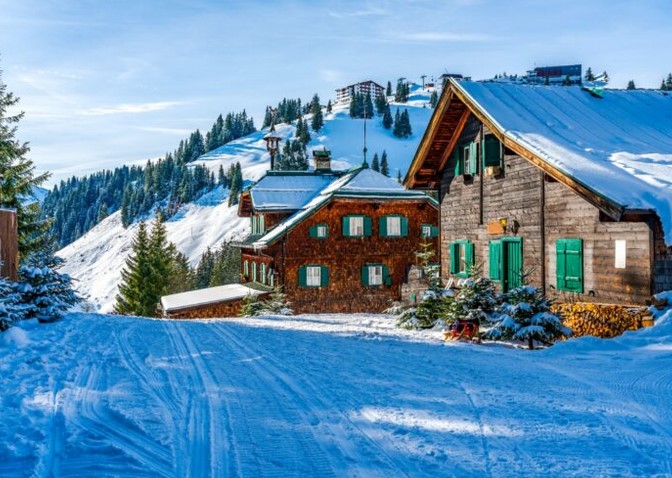
You finish your Friday afternoon Zoom call, grab a pre-packed duffel, and three hours later, you’re breathing in crisp, sub-zero air while the hum of a distant snowcat prepares the slopes for morning. It sounds like a dream, but for many, the reality of winter ski weekends is a frantic mess of lost gloves, four-hour rental lines, and realizing you spent more time in traffic than on the snow. In fact, statistics show that the average weekend warrior spends only 35% of their trip actually skiing due to poor logistics.
Over the last decade, I’ve mastered the “48-hour shred.” I’ve transitioned from the guy who arrived at the resort exhausted and unprepared to a traveler who treats a ski weekend like a tactical strike. I’ve learned that a successful short escape isn’t about the size of the mountain; it’s about minimizing friction. If you’re ready to stop “visiting” the snow and start actually skiing it, here is the technical blueprint for the perfect winter weekend.
Why Winter Ski Weekends Require a “Tactical” Mindset
Think of a full-week ski holiday like a leisurely cruise ship—you have time to fix mistakes and explore every corner. A winter ski weekend, however, is a fighter jet mission. Every minute of “down-time” (waiting for boots, sitting in traffic, or fumbling with gear) is a minute taken away from your vertical feet.
The goal of winter ski weekends for beginners and intermediates is to maximize “Time on Edge.” This requires understanding the technical logistics of resort proximity, equipment staging, and energy management. You aren’t just going for a trip; you are managing a compressed timeline where efficiency is the highest form of luxury.
Strategic Selection: Choosing the “First-Chair” Resort
Not all resorts are built for 48-hour trips. If you spend five hours driving to a legendary peak, you’ve already lost 25% of your daylight.
-
The Hub-and-Spoke Model: Look for resorts located within 90 minutes of a major airport or metropolitan center. In Europe, think of Innsbruck or Geneva; in the US, think of Salt Lake City. These “Gateway Resorts” allow you to maximize your Friday night arrival.
-
Aparthotels over Luxury Lodges: For a weekend, you don’t need a spa; you need a boot room. Choose accommodation with “Ski-In/Ski-Out” access or a locker system that is less than 100 meters from the primary lift.
-
LSI Logistics: Check the Lift Capacity (people per hour). A resort with high-speed gondolas and six-pack chairs will allow you to get 15 runs in a day, whereas an older resort with slow “fixed-grip” doubles will limit you to six.
Technical Preparation: The Friday Night Staging
The secret to a “remembered” weekend happens before the sun even comes up on Saturday.
1. Equipment Manifest
If you are renting, never rent on Saturday morning. I’ve stood in rental shops for two hours watching the best snow of the day get tracked out by others. Most pro-level winter ski weekends involve picking up rentals on Friday night (often at a discount) or using a delivery service that fits you in your hotel room.
2. The Digital Lift Pass
In 2026, there is no excuse for standing in a ticket window line. Buy your pass online and choose the “Reload” option on an old RFID card or use the Mobile Pass feature on your smartphone. This allows you to walk straight from the car to the lift turnstile.
3. Thermal Layering for High Intensity
Weekend skiing is often more physically intense because you’re trying to pack more into less time. I’ve found that using a Vented Hard Shell over a high-quality Merino base layer is superior to a heavy insulated jacket. As you work harder and your heart rate climbs, you can use “Pit Zips” (underarm vents) to dump heat instantly, preventing the “sweat-and-freeze” cycle.
💡 Pro Tip: The “Lunch-Lag” Strategy
Most skiers head to the mountain lodge between 12:00 PM and 1:30 PM, creating massive lift lines and crowded tables. I always eat a high-protein “pocket lunch” at 11:15 AM. While everyone else is fighting for a seat and a $20 burger, the slopes become ghost towns. You can often double your vertical feet during the “lunch lull,” then head in for a proper meal at 2:00 PM when the crowds return to the snow.
Mastering the “Transition Zones”
In the travel world, the most time is lost in the Transition Zones—getting from the hotel to the bus, or the bus to the locker.
-
The “Ready Bag”: Keep a small, waterproof dry-bag in your backpack with extra goggles, a spare neck gaiter, and a portable power bank. Cold weather drains Lithium-Ion batteries significantly faster; keeping your phone against your body heat and having a backup ensures your digital maps and “find-my-friends” apps stay active.
-
Hydration Metrics: Because the air is dry and you’re at altitude, you’ll lose moisture through respiratory evaporation without feeling thirsty. Dehydration is the #1 cause of the “Sunday Afternoon Crash.” Drink 500ml of water for every two hours on the slopes.
Essential Gear for the Weekend Warrior
-
Photochromic Goggles: These lenses automatically adjust their “VLT” (Visible Light Transmission) based on the sun. This is a technical must for weekends where you don’t have time to swap lenses between a sunny Saturday and a flat-light Sunday.
-
Compression Socks: Not just for the flight! Wearing high-performance ski-specific compression socks reduces muscle oscillation and lactic acid buildup, meaning your legs will still feel fresh for those final runs on Sunday afternoon.
-
Multi-Tool: A small “Snow-Tool” for adjusting your bindings on the fly. It saves you a trip down to the base to find a screwdriver.
The Hidden Warning: The “Apres-Ski” Trap
We all love the social side of skiing, but for a short trip, the “Apres-Ski” trap is real. One too many drinks on Saturday night leads to an 11:00 AM start on Sunday.
If your goal is winter ski weekends that actually inspire, treat Saturday night as “Recovery Phase.” Use the hotel sauna to increase blood flow to your muscles (Vasodilation), use a foam roller on your quads, and get to bed early. The best “Apres” is the feeling of being the first person on a freshly groomed run on Sunday morning.
Scannable Weekend Success Checklist
-
Flight/Drive: Arrive no later than 9:00 PM Friday.
-
Rental: Pre-booked and picked up Friday night.
-
Food: High-carb dinner Friday; high-protein snacks for the chairlift.
-
Sun Protection: Altitude increases UV intensity by 10% for every 1,000 meters. Apply Zinc-based sunblock even if it’s cloudy.
-
The Departure: Pack your non-ski clothes in the car on Sunday morning. When the lifts close at 4:00 PM, you can change and be on the road by 4:30 PM.
Conclusion: Quality Over Quantity
A perfect winter ski weekend isn’t measured by how many days you spent at the resort, but by the quality of the turns you made. By applying a bit of technical discipline and “pro-level” logistics, you can turn a chaotic 48-hour scramble into a high-octane escape that leaves you recharged rather than depleted.
The mountains are always there, but that perfect corduroy snow is fleeting. Stop planning for “someday” and start mastering the weekend strike.
Do you prefer the “First Chair” adrenaline or the “Apres-Ski” atmosphere? And what is the one piece of gear you never leave behind for a quick snow trip? Let’s swap tips in the comments!
Culture Under the Sky: Open-Air Theaters Worth Visiting
 The sun was dipping below the horizon, painting the limestone cliffs of Cornwall in hues of burnt orange and deep violet, as the first violin note cut through the sound of crashing Atlantic waves. I wasn’t in a plush, climate-controlled opera house in London; I was perched on a granite ledge at the Minack Theatre, clutching a blanket and a thermos of tea. It occurred to me then that while indoor theaters are built to mimic life, cultural open-air theaters force life to harmonize with the elements.
For over a decade, I’ve tracked down the world’s most spectacular outdoor stages, from ancient Roman amphitheaters to modern architectural marvels. If you’ve ever felt that traditional theater is a bit too “stiff” or claustrophobic, you’re not alone. The magic of an open-air performance lies in its unpredictability—the way a passing breeze or a rising moon becomes an unscripted part of the set.
Why Cultural Open-Air Theaters Offer a Superior Sensory Experience
Think of an indoor theater like a studio recording: it’s polished, controlled, and isolated. An open-air theater, by contrast, is a live outdoor concert. You have the “ambient track” of nature, the shifting lighting of the sunset, and a spatial acoustics profile that no speaker system can perfectly replicate.
Visiting cultural open-air theaters is an exercise in “Environmental Immersion.” These venues were often designed using ancient principles of natural acoustics. In places like Epidaurus, a whisper on stage can be heard in the back row, 60 meters away, thanks to the technical precision of the limestone seating which acts as a natural filter for low-frequency background noise while reflecting high-frequency voices.
The Technical Brilliance of Ancient and Modern Outdoor Stages
To the untrained eye, an outdoor theater is just a pile of stones or a wooden deck. To an architect or a seasoned traveler, it is a masterclass in passive acoustic engineering and sightline optimization.
1. Natural Amplification and Wave Reflection
Ancient Greeks were the pioneers of this. They understood that the semi-circular shape of the theatron allowed sound waves to bounce off the hard surfaces and travel upward without losing clarity. When you visit these sites, you are witnessing the “analog” version of a modern soundboard.
2. Scenography and Borrowed Scenery
In Japanese garden design, there is a concept called Shakkei, or “borrowed scenery.” Many cultural open-air theaters use this same technical principle. The stage isn’t just the wooden planks; it’s the mountain range, the ocean, or the city skyline behind it. This creates a depth of field that makes the performance feel three-dimensional and infinite.
3. Thermal Management for the Audience
Modern outdoor theaters often use bioclimatic design to keep audiences comfortable. This includes strategic orientation to catch evening breezes or using stone materials that retain the day’s heat to keep viewers warm during a chilly night performance.
Global Destinations for the Open-Air Connoisseur
After 10 years on the road, I’ve found that these three venues represent the absolute pinnacle of the outdoor theatrical experience.
The Minack Theatre (Cornwall, UK)
Carved into a granite cliff overlooking Porthcurno Bay, this theater is a testament to human grit. It was built largely by hand by Rowena Cade in the 1930s.
-
The Personal Insight: I’ve watched Shakespeare here during a light drizzle, and surprisingly, the rain made the tragedy of King Lear feel significantly more visceral. The technical challenge here is the salt spray; if you’re in the front rows, your skin will literally taste like the ocean by intermission.
Odeon of Herodes Atticus (Athens, Greece)
Located on the southern slope of the Acropolis, this is arguably the most prestigious stage in the world.
-
The Experience: Watching a performance here is like stepping into a time machine. The stone walls, originally built in 161 AD, provide a reverberation time that is perfect for operatic vocals and orchestral crescendos.
Santa Fe Opera House (New Mexico, USA)
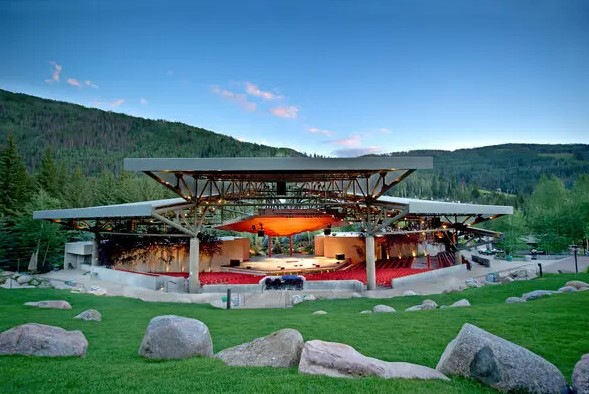
This is a modern marvel. The roof is designed to look like a ship’s sails, but its technical purpose is to act as a wind deflector and an acoustic canopy. Because the sides are open, you can watch lightning storms in the distance while listening to Puccini—a truly “electrifying” experience.
💡 Pro Tip: The “Cushion and Layer” Strategy
Here is a secret from the pros: The stone is your enemy. Ancient theaters were built for durability, not gluteal comfort. Many venues rent cushions, but they are often thin and overpriced. I always carry a self-inflating seat pad. Furthermore, even in the desert, temperatures drop rapidly once the sun sets. Always pack one more layer than you think you need—sitting still for two hours makes your body temperature drop much faster than when you’re walking.
Essential Gear for the Outdoor Spectator
When you attend cultural open-air theaters, you aren’t just an audience member; you are an expeditionist. You need gear that handles the technical transition from day to night.
-
Binoculars (Compact 8×25): Even with great sightlines, seeing the subtle facial expressions of an actor from 40 rows up is a game-changer.
-
DEET-Free Repellent: Mosquitoes love a captive audience. Use a Picaridin-based spray; it’s odorless and won’t ruin the experience for the person sitting next to you.
-
Silent Snacks: Nothing ruins a dramatic soliloquy like the “crinkle” of a plastic chip bag. Pack soft foods—grapes, cheeses, or sandwiches wrapped in cloth—to ensure you aren’t the source of noise pollution.
Navigating the Logistics: Tickets and Timing
Because these venues are seasonal, the competition for tickets is fierce.
-
The “Restricted View” Hack: In many ancient theaters, “restricted view” tickets are sold because a pillar or a slight angle blocks a tiny portion of the stage. For an intermediate traveler, these are the best value—the acoustic quality remains identical, and you save up to 50% on the entry fee.
-
Arrival Windows: For cultural open-air theaters, the “show” starts 60 minutes before the actors arrive. This is when the light changes and the atmosphere builds. Arriving early isn’t just about finding your seat; it’s about watching the architecture interact with the twilight.
The Hidden Warning: Weather and Cancellations
Unlike a movie theater, an outdoor venue is at the mercy of the gods.
Understand the “Rain Policy.” Most theaters will perform through a light mist but will stop for lightning or heavy downpours. I’ve seen tourists demand refunds five minutes into a storm, unaware that most outdoor theaters have a “No Refund After 30 Minutes” policy. Expert Advice: Check the local radar on an app like Windy before you leave your hotel. If a storm cell is moving in, bring a high-quality poncho—umbrellas are strictly forbidden because they block the view of everyone behind you.
Scannable Checklist for Your First Visit
-
Check the Footwear: Many of these theaters involve steep, uneven stone steps. Leave the heels at home; wear high-traction flats or sandals.
-
Hydration: Open-air doesn’t mean cool. If the sun is still up, the stone seats act like an oven. Bring a liter of water per person.
-
Research the Libretto: If you’re seeing an opera in an ancient language, read the summary beforehand. Without subtitles on a screen, you’ll rely entirely on the actors’ physicality.
-
Sun Protection: For matinee shows, you are a sitting duck. A wide-brimmed hat is essential, but be prepared to take it off once the performance starts.
Conclusion: A Performance Without Walls
Attending a show in one of the world’s great cultural open-air theaters is a reminder that art wasn’t always something we “consumed” in a dark box. It was a communal event that included the stars, the wind, and the earth. When the final curtain call happens and you look up to see the real constellations above the stage, you realize that no amount of digital special effects can compete with the raw beauty of a performance under the open sky.
Have you ever watched a play under the stars, or is an ancient amphitheater still on your bucket list? Which venue’s “natural scenery” would you most love to see? Let’s talk about your favorite outdoor memories in the comments below!
Snowy Bonds: Family Ski Holidays to Remember
Source:https://www.purelymeribel.com
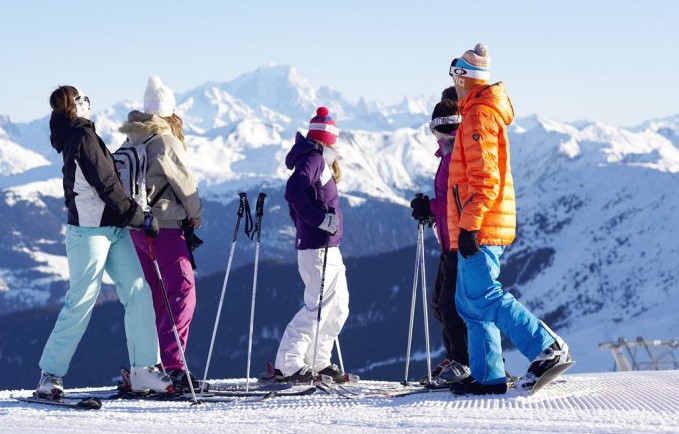
You’re standing at the top of a gentle “nursery” slope, your six-year-old is having a meltdown because their goggles are “too itchy,” and you’ve just realized you spent $200 on lift passes for a day that seems destined to end in the lodge with a bowl of overpriced fries. It is the quintessential “make or break” moment of family ski holidays. Yet, despite the logistical hurdles, skiing remains one of the few activities where three generations can share the same rush of adrenaline at the same time.
Over the last decade, I’ve navigated the icy peaks of the French Alps and the powder-heavy slopes of Hokkaido with family in tow. I’ve learned that a successful ski trip isn’t just about the vertical drop or the brand of your jacket; it’s about logistical cushioning. If you treat a ski trip like a standard beach holiday, you’ll be overwhelmed by the technical demands. But if you plan it like a tactical operation, the “snowy bonds” you create will become the highlight of your family’s history.
Why Family Ski Holidays are the Ultimate Bonding Experience
Think of a ski resort as a giant, outdoor vertical playground. In our daily lives, we are often siloed into our own screens and schedules. On the mountain, everyone is subject to the same laws of gravity and thermodynamics. Whether you are a “pro” carving down a black diamond or a beginner practicing “pizza” wedges on a green run, you are all speaking the same physical language.
This shared vulnerability—the wobbles, the falls, and the eventual triumphs—creates a unique emotional glue. Family ski holidays offer a rare environment where parents and children can learn a new skill side-by-side, breaking down the typical “teacher-student” dynamic found at home.
The Technical Core: Planning Your Winter Operation
To the uninitiated, skiing looks like sliding down a hill. To a seasoned traveler, it’s a complex coordination of apres-ski logistics, thermal regulation, and equipment management.
1. Choosing the Right “Family-First” Resort
Don’t be seduced by the biggest vertical drop. For family ski holidays, you need a resort with a high “Ski-In/Ski-Out” factor.
-
The Insight: Lugging four sets of skis and two tired toddlers across a slushy parking lot is the fastest way to kill the mood. Look for resorts like Avoriaz in France or Big White in Canada, where the village is pedestrianized and you can slide right to your front door.
-
LSI Context: Check the Piste Map for a high percentage of “Green” and “Blue” runs. These are the technical designations for beginner and intermediate terrain, ensuring your family isn’t accidentally funneled into a steep “Mogul” field.
2. The Science of the “On-Mountain” Schedule
The biggest mistake beginners make is trying to ski from 9:00 AM to 4:00 PM. Fatigue is the primary cause of injury on the slopes. * The “Two-Hour Rule”: Small children have a limited “thermal window.” After two hours, their core temperature drops, and their glucose levels dip. Schedule a mandatory hot chocolate break before anyone complains of being cold.
-
Ski School Logistics: Invest in a reputable ski school (like ESF in Europe or PSIA in the US). Trying to teach your own spouse or child to ski is a technical recipe for an argument. Let the professionals handle the “Snowplow” and “Parallel” turns while you enjoy some solo laps.
Mastering the Gear: Layers, Not Bulk
Think of your ski outfit as a modular climate control system. Most beginners make the mistake of wearing one massive, heavy coat. Instead, you need three technical layers to manage the “Micro-climate” inside your clothes.
-
Base Layer: Must be moisture-wicking (Merino wool or synthetic). If your base layer gets damp from sweat, you will freeze the moment you sit on a chairlift.
-
Mid Layer: A fleece or light “down” vest to trap heat.
-
Outer Shell: A waterproof and windproof jacket with a high “Breathability Rating” (look for 10,000mm or higher).
💡 Pro Tip: The “Reverse Rental” Strategy
Here is a secret from a decade in the snow: Never rent your gear at the resort base on Monday morning. The lines will be a nightmare. Instead, look for a rental shop that offers “In-Chalet Fitting” or pick up your equipment on Sunday afternoon. Even better, many intermediate families now use “Gear Delivery” services that bring the boots and skis to your living room. It costs 10% more but saves two hours of precious holiday time.
Budgeting for the “White Gold”
Family ski holidays are notoriously expensive, but you can optimize the costs if you understand the “Ski-Nomics” of the industry.
-
The Multi-Resort Pass: If you plan to ski for more than 5 days, look into the Epic Pass or Ikon Pass. These technical subscriptions often pay for themselves in just a few days and give you access to world-class resorts across continents.
-
Grocery Logistics: Eating every meal on the mountain is a financial black hole. Rent an apartment with a kitchen. A backpack full of high-protein snacks and a “picnic” lunch on a sunny ridge is often more memorable (and 80% cheaper) than a crowded mountain restaurant.
The Hidden Warning: Altitude and Hydration
One technical detail families often overlook is Altitude Sickness. Many major resorts (especially in Colorado or the Alps) sit above 2,500 meters.
-
The Symptom: Headaches, lethargy, and nausea.
-
The Fix: Hydrate twice as much as you think you need. The air at high altitudes is incredibly dry, and you lose moisture through respiratory evaporation with every breath. If you are drinking enough water, your body can adjust to the lower oxygen levels much faster.
Scannable Family Ski Checklist
-
Sunscreen: The UV reflection off the snow is 30% stronger than on a beach. Apply to the underside of the nose and chin!
-
Helmet: Non-negotiable. Modern MIPS-rated helmets are the gold standard for head protection.
-
Goggle Care: Never wipe the inside of the lens when it’s wet; you’ll ruin the “Anti-Fog” coating. Air-dry them only.
-
Walkie-Talkies: Cell service can be spotty in deep valleys. A set of rugged two-way radios is a technical lifesaver for keeping the family connected on the mountain.
Conclusion: The Magic Beyond the Ice
At the end of the day, the best part of family ski holidays isn’t actually the skiing. It’s the “Apres-ski”—the moments spent by a roaring fire, sore muscles relaxing, as you recount the day’s adventures. It’s the look on your teenager’s face when they finally nail a carved turn, or the way the whole family laughs when Grandpa gets stuck in a snowbank.
Skiing is a technical sport, yes. It requires gear, planning, and a bit of grit. But the reward is a type of connection that is as rare and beautiful as a fresh blanket of powder. So, pack the wool socks, grab the helmets, and get ready to slide. The mountains are calling.
Is your family more into the “Black Diamond” thrills or the “Hot Chocolate” chill? Do you have a favorite resort that feels like home? Let’s swap stories and tips in the comments below!