


Unique Companions: Hiking with Llamas in the Mountains
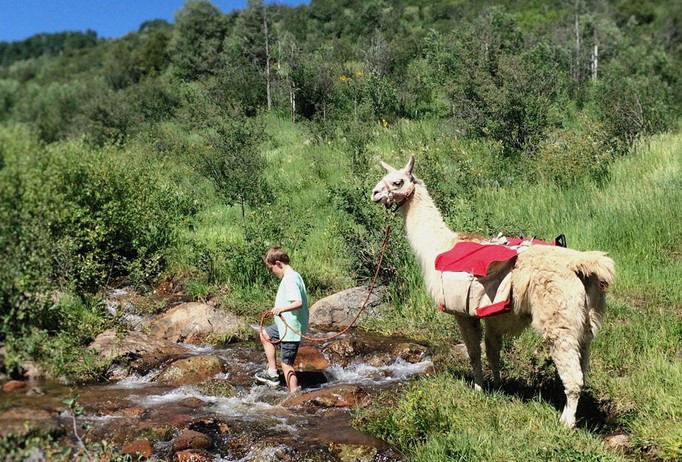
Source:https://cdn.5280.com
Picture this: You are halfway up a grueling 1,200-foot alpine ascent. Your thighs are screaming, your lower back is throbbing from the 40-pound beast of a backpack strapped to your spine, and you are seriously questioning every life choice that brought you to this altitude. Suddenly, a soft, humming sound echoes behind you. You turn around, and there is a creature with banana-shaped ears, long eyelashes that would make a supermodel jealous, and a look of absolute, serene nonchalance.
Meet your new hiking buddy.
For the past decade, I’ve trekked across various mountain ranges worldwide, dragging traditional backpacks through mud, snow, and shale. But the moment I tried hiking with llamas, my entire perspective on backcountry travel shifted. If you’ve ever wanted to explore the deep wilderness without the crushing physical toll of a heavy pack, llama trekking is the game-changer you didn’t know you needed.
Why Hiking with Llamas is the Ultimate Wilderness Hack
When people think of pack animals, they usually picture stubborn mules or massive horses. But llamas are the hidden gems of the trail. Think of a llama as the organic, eco-friendly all-terrain vehicle (ATV) of the mountains—minus the noisy engine and carbon emissions.
The Ultimate Weight Relievers
The most obvious perk of hiking with llamas is the liberation of your spine. A healthy, mature pack llama can comfortably carry 20% to 25% of its body weight. Weighing between 300 to 400 pounds, a single llama can easily transport 60 to 90 pounds of gear.
For a traditional hiker, this means your load drops from a grueling multi-day pack to a light, breezy daypack containing just your water, camera, and a rain jacket. The llama handles the heavy lifting—your four-season tents, sleeping pads, cast-iron skillets, and that extra bottle of wine you thought you couldn’t bring.
Gentle on the Earth (and Your Sleep)
As an avid outdoorsman, Leave No Trace (LNT) principles are sacred to me. This is where llamas truly outshine horses. Horses have heavy, iron-shod hooves that can tear up delicate alpine tundra and accelerate trail erosion.
Llamas, on the other hand, belong to the camelid family. They possess two-toed feet with soft, leathery pads underneath, similar to a dog’s paw. They glide over the terrain, leaving a footprint so minimal it barely disturbs the soil. Furthermore, their digestive system is incredibly efficient; their pellet-like droppings are virtually odorless and break down rapidly, making them highly eco-friendly trail companions.
Understanding Llama Etiquette: The Technical Side of the Trail
Before you head out into the backcountry, you need to understand the mechanics of working with these camelids. They aren’t pets you walk on a leash like a golden retriever; they are working livestock with distinct behaviors.
+--------------------------+---------------------------------------------------------+
| Llama Trait              | What It Means for the Hiker                             |
+--------------------------+---------------------------------------------------------+
| Two-Toed Soft Pads       | Low trail impact, excellent traction on granite slab.   |
| Modified Ruminant        | Forages on native weeds/grasses; no need to pack grain. |
| Communal Dung Piles      | Easy camp cleanup; protects water sources naturally.    |
| Low-pitched Humming      | Standard communication; signals curiosity or mild stress.|
+--------------------------+---------------------------------------------------------+
The Communication Breakdown
Llamas don’t bark or whinny; they communicate through a series of subtle ear movements, tail positions, and a distinct low-pitched hum. During my first expedition in the Wind River Range, my lead llama, Barnaby, started humming intensely. I initially thought he was enjoying the view, but our guide quickly corrected me: that hum meant he sensed something unusual. Sure enough, a quarter-mile up the trail, a moose was blocking our path. Llamas possess highly acute eyesight and hearing, often acting as an early-warning radar system for wildlife.
A Quick Myth-Buster: Will they spit at you? It’s the number one question I get. The short answer is: almost never. Llamas reserve spitting for internal hierarchy disputes within their herd (usually over food). A well-trained trail llama will not spit at a human unless severely mistreated or startled.
How to Handle a Llama on the Trail: A Beginner’s Guide
If you are new to hiking with llamas, your first trek will likely be with a commercial outfitter who provides a mandatory “Llama 101” orientation. Here is the technical breakdown of how to manage your companion.
Leading, Not Towing
When leading a llama, you hold a lead rope attached to a properly fitted halter. You never wrap the rope around your hand—if the llama trips or spooks, you need to be able to drop the rope instantly to avoid injury.
Maintain a loose slack of about 2 to 3 feet. Let the llama find its own footing. They are remarkably agile and possess an innate ability to choose the safest path through boulder fields and river crossings. If you try to micro-manage their steps, you’ll just end up in a frustrating tug-of-war.
Balancing the Panniers
The technical gear used to load a llama consists of a specialized pack saddle (often an adaptation of the traditional sawbuck saddle) and two side bags called panniers.
-
The Golden Rule of Llama Packing: The weight between the left and right panniers must be perfectly balanced within 0.5 pounds of each other.
-
If one side is heavier, the saddle will shift, causing painful sores on the llama’s spine and potentially causing the animal to lose balance on steep switchbacks. Always use a digital handheld fish scale to check the weight before setting off.
Pro-Tips for an Unforgettable Llama Trek
Over a decade of trail experience taught me these invaluable lessons the hard way:
-
Pro-Tip #1: Give Them Grazing Breaks. Llamas are browsers, not grazers like horses. They prefer high-protein weeds, dandelions, and huckleberry bushes. Allow them to snack periodically while you walk; it keeps their energy up and prevents them from stopping abruptly when they see a juicy bush.
-
Pro-Tip #2: Watch the Ear Position. A llama with its ears pointing forward or slightly upright is happy, curious, and relaxed. If the ears are pinned flat back against the neck, they are angry, frightened, or feeling defensive. Give them space and re-evaluate the situation.
-
Never tie a llama to a movable object, a dead tree, or your own body. If they spook, they can pull down heavy branches or drag you across rocky terrain. Always secure them to a sturdy, living tree or use a highline setup in camp using specialized tree-saver straps.
Ready to Redefine Your Mountain Adventures?
Hiking with llamas isn’t just about outsourcing your physical labor; it changes the entire rhythm of the journey. Without the crushing weight on your shoulders, you can actually look up, breathe in the crisp mountain air, and appreciate the geological wonders around you. You develop a unique bond with an ancient pack animal, navigating the wild spaces of the world together as a team.
Have you ever considered trading your heavy backpack for a pair of fuzzy, banana-shaped ears on the trail? Or maybe you’ve encountered these quirky creatures during your own mountain adventures? Drop your thoughts, questions, or stories in the comments below—I’d love to hear about your backcountry experiences!