


Flow with Nature: River Adventure Trails to Conquer
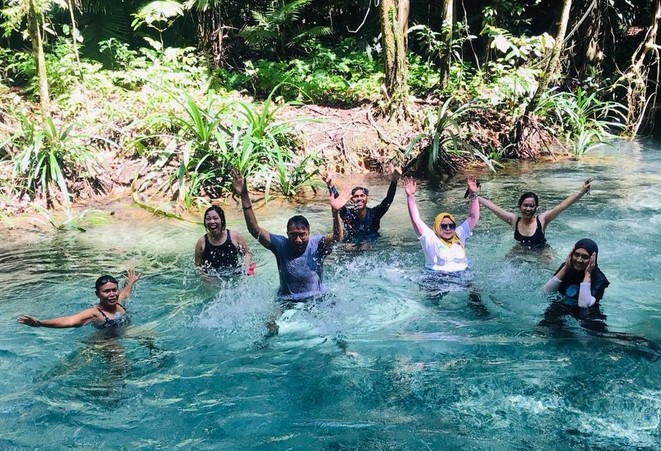
Source:https://asset.kompas.com
You are trapped in the middle of a roaring, frothing Class III rapid. Your knuckles are white as you grip the paddle, cold glacial water slams into your chest, and for a split second, you can’t remember if you’re supposed to paddle forward or brace for impact. Then, your guide yells a command over the deafening roar of the river, your team digs in simultaneously, and your raft shoots out of the foam into a calm, sunlit canyon. The adrenaline high is instant, intoxicating, and completely unmatched by any standard hiking trail.
Over my ten years of navigating the world’s waterways, I’ve transitioned from a nervous beginner who capsized on a gentle stream to a seasoned paddler who has conquered multi-day expeditions. What I’ve learned is that rivers are the ultimate highways of planet Earth. While hiking trails confine you to a static path, river adventure trails are dynamic, living ecosystems that constantly reshape themselves.
If you are a beginner or intermediate adventurer looking to trade your hiking boots for a life jacket, understanding the mechanics of river travel is your first step toward an unforgettable expedition. Let’s dive deep into how to read the water, pick the perfect route, and conquer your first major river trail.
Decoding the River: Understanding the International Scale of Difficulty
Before you pack your dry bags, you need to understand the language of the river. Entering a river trail without knowing its classification is like trying to drive down a black-diamond ski slope in a golf cart.
To keep things simple, think of river rapids like traffic on a multi-lane highway. Class I is an empty, slow-moving suburban street, while Class VI is a chaotic, unpredictable Formula 1 racetrack where only elite professionals survive.
+----------------+-----------------------------------+-----------------------------------+
| Rapid Class    | Difficulty Level                  | What to Expect                    |
+----------------+-----------------------------------+-----------------------------------+
| Class I        | Easy                              | Fast-moving water with small waves|
| Class II       | Novice                            | Wide, clear channels; easy eddies |
| Class III      | Intermediate                      | Moderate, irregular waves; complex|
|                |                                   | maneuvers required                |
+----------------+-----------------------------------+-----------------------------------+
| Class IV - V   | Advanced / Expert                 | Intense, powerful rapids; steep   |
|                |                                   | drops; highly technical           |
+----------------+-----------------------------------+-----------------------------------+
The Sweet Spot for Starters: Class II and III Trails
For beginners and intermediate adventurers, Class II and Class III rapids are your sweet spot. They provide enough hydraulic action—the technical term for waves and holes created by river obstructions—to get your heart pumping, but they don’t require years of specialized swiftwater rescue training to navigate safely.
Epic River Adventure Trails to Add to Your Bucket List
The world is filled with legendary river corridors, but certain trails stand out because they offer excellent infrastructure for independent paddlers and guided commercial trips alike.
1. The Pacuare River, Costa Rica (The Ultimate Tropical Run)
Flowing through lush, primordial rainforests down to the Caribbean slope, the Pacuare is the poster child for tropical river adventure trails. This corridor offers a flawless blend of exhilarating Class III-IV rapids and serene flatwater sections where you can drift past towering waterfalls and spot toucans nesting in the canopy.
-
The Technical Insight: The Pacuare features unique pool-drop topography. This means an intense, fast-paced rapid is almost always followed by a calm, slow-moving pool of water, giving your team plenty of time to reset, recover dropped gear, and prepare for the next drop.
2. The Whanganui Journey, New Zealand (The Cultural Canoe Expedition)
Though it flows through a dramatic gorge, the Whanganui Journey is technically classified as a Great Walk by New Zealand’s Department of Conservation—except you explore it entirely by Canadian canoe or kayak. It is a multi-day, self-guided paradise featuring gentle Class I and II waters, making it perfect for intermediate paddlers who want to experience wilderness camping.
-
The Technical Insight: Navigating the Whanganui requires mastering the river eddy. An eddy is a circular movement of water that flows upstream behind an obstacle like a large boulder. Learning how to turn your boat into an eddy is like pulling into a highway rest stop; it allows you to pause, check your map, and hydrate without fighting the main current.
Gear Mechanics: Packaging Your Life for a Wet Environment
When you hit the river, your packing philosophy must change entirely. On a standard backcountry hike, gravity is your enemy, and every ounce matters. On a river trail, your boat carries the weight, but your absolute nemesis is moisture.
Mastering the Dry Bag System
Do not trust a single large dry bag to keep your expensive electronics and warm clothing safe. If a bag tears during a capsize, everything is ruined. Instead, utilize the redundant modular packing method.
Pack your sleeping bag and dry clothes into small, individual lightweight dry sacks. Then, place those smaller sacks inside a heavy-duty, 60-liter PVC roll-top dry bag. Secure that main bag to the frame of your raft or the D-rings of your kayak using sturdy cam straps—never rely on stretchy bungee cords, which will snap under the weight of rushing water.
Personal Protective Equipment (PPE) Essentials
Your safety gear isn’t fashion; it’s a life-support system. Never step onto an active river trail without:
-
A Type III PFD (Personal Flotation Device): It must fit snugly. If you pull up on the shoulder straps and the vest slides up past your chin, it is too loose and will not keep your head above water in a rapid.
-
A Whitewater Helmet: Standard bike helmets will not work; whitewater helmets are specifically designed to drain water rapidly while protecting the base of your skull from submerged rocks.
-
Neoprene Booties or Chacos: Never go barefoot or wear flip-flops. If your boat flips, you need sturdy, high-traction footwear to handle foot entrapment hazards on the riverbed.
     ⚠️ HIDDEN WARNING: THE DANGER OF STRAINERS
     To a beginner, a fallen tree dipping into a gentle river current looks like a scenic,
     shaded spot to rest. To a river professional, this is a "strainer"—the single most
     deadly hazard on the water. Just like a kitchen colander, a strainer allows water
     to flow through easily but traps solid objects (like your boat or your body)
     underneath the surface. Always steer completely clear of downed trees and river debris.
Expert Advice for Transitioning from Trails to Waves
Learn to Read the River’s Visual Cues
To navigate smoothly, you must learn to read water like a book. Look for the “Downstream V.” When water flows between two submerged rocks, it creates a smooth, dark V-shape pointing downstream. This is your green light—it marks the deepest, safest channel through the rapid. Conversely, an “Upstream V” is created by water splashing over a rock, which is a red light telling you to steer clear.
Respect the Hydrology and Water Levels
River trails change daily based on rainfall, snowmelt, and upstream dam releases. A route that was a gentle Class II stream in August can easily turn into a churning, life-threatening Class IV monster during spring run-off. Always check local USGS river gauges (or international equivalents) and consult local outfitters regarding the current flow rate, measured in Cubic Feet per Second (CFS), before launching your watercraft.
Find Your Flow
There is a profound meditation that comes with conquering river adventure trails. Once you push off from the riverbank, you are fully committed to the path of the water. It forces you to live completely in the present moment, reacting to every wave, whirlpool, and eddy with immediate focus. Whether you choose a guided rafting trip in Central America or a self-sufficient canoe trek through New Zealand, the river will challenge you, humble you, and ultimately change the way you view adventure travel.
Are you ready to swap the hiking trails for a river expedition this season, or do you have a favorite waterway you’ve already conquered? Drop your questions or your best river stories in the comments below, and let’s talk paddling!