


Category Archives: Family Travel
Snowy Bonds: Family Ski Holidays to Remember
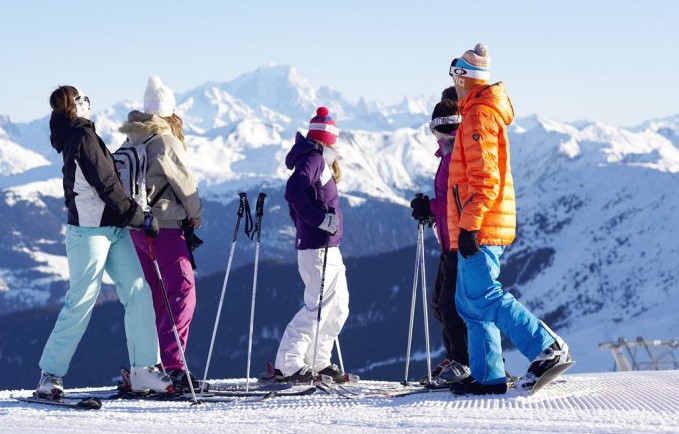
Source:https://www.purelymeribel.com
You’re standing at the top of a gentle “nursery” slope, your six-year-old is having a meltdown because their goggles are “too itchy,” and you’ve just realized you spent $200 on lift passes for a day that seems destined to end in the lodge with a bowl of overpriced fries. It is the quintessential “make or break” moment of family ski holidays. Yet, despite the logistical hurdles, skiing remains one of the few activities where three generations can share the same rush of adrenaline at the same time.
Over the last decade, I’ve navigated the icy peaks of the French Alps and the powder-heavy slopes of Hokkaido with family in tow. I’ve learned that a successful ski trip isn’t just about the vertical drop or the brand of your jacket; it’s about logistical cushioning. If you treat a ski trip like a standard beach holiday, you’ll be overwhelmed by the technical demands. But if you plan it like a tactical operation, the “snowy bonds” you create will become the highlight of your family’s history.
Why Family Ski Holidays are the Ultimate Bonding Experience
Think of a ski resort as a giant, outdoor vertical playground. In our daily lives, we are often siloed into our own screens and schedules. On the mountain, everyone is subject to the same laws of gravity and thermodynamics. Whether you are a “pro” carving down a black diamond or a beginner practicing “pizza” wedges on a green run, you are all speaking the same physical language.
This shared vulnerability—the wobbles, the falls, and the eventual triumphs—creates a unique emotional glue. Family ski holidays offer a rare environment where parents and children can learn a new skill side-by-side, breaking down the typical “teacher-student” dynamic found at home.
The Technical Core: Planning Your Winter Operation
To the uninitiated, skiing looks like sliding down a hill. To a seasoned traveler, it’s a complex coordination of apres-ski logistics, thermal regulation, and equipment management.
1. Choosing the Right “Family-First” Resort
Don’t be seduced by the biggest vertical drop. For family ski holidays, you need a resort with a high “Ski-In/Ski-Out” factor.
-
The Insight: Lugging four sets of skis and two tired toddlers across a slushy parking lot is the fastest way to kill the mood. Look for resorts like Avoriaz in France or Big White in Canada, where the village is pedestrianized and you can slide right to your front door.
-
LSI Context: Check the Piste Map for a high percentage of “Green” and “Blue” runs. These are the technical designations for beginner and intermediate terrain, ensuring your family isn’t accidentally funneled into a steep “Mogul” field.
2. The Science of the “On-Mountain” Schedule
The biggest mistake beginners make is trying to ski from 9:00 AM to 4:00 PM. Fatigue is the primary cause of injury on the slopes. * The “Two-Hour Rule”: Small children have a limited “thermal window.” After two hours, their core temperature drops, and their glucose levels dip. Schedule a mandatory hot chocolate break before anyone complains of being cold.
-
Ski School Logistics: Invest in a reputable ski school (like ESF in Europe or PSIA in the US). Trying to teach your own spouse or child to ski is a technical recipe for an argument. Let the professionals handle the “Snowplow” and “Parallel” turns while you enjoy some solo laps.
Mastering the Gear: Layers, Not Bulk
Think of your ski outfit as a modular climate control system. Most beginners make the mistake of wearing one massive, heavy coat. Instead, you need three technical layers to manage the “Micro-climate” inside your clothes.
-
Base Layer: Must be moisture-wicking (Merino wool or synthetic). If your base layer gets damp from sweat, you will freeze the moment you sit on a chairlift.
-
Mid Layer: A fleece or light “down” vest to trap heat.
-
Outer Shell: A waterproof and windproof jacket with a high “Breathability Rating” (look for 10,000mm or higher).
💡 Pro Tip: The “Reverse Rental” Strategy
Here is a secret from a decade in the snow: Never rent your gear at the resort base on Monday morning. The lines will be a nightmare. Instead, look for a rental shop that offers “In-Chalet Fitting” or pick up your equipment on Sunday afternoon. Even better, many intermediate families now use “Gear Delivery” services that bring the boots and skis to your living room. It costs 10% more but saves two hours of precious holiday time.
Budgeting for the “White Gold”
Family ski holidays are notoriously expensive, but you can optimize the costs if you understand the “Ski-Nomics” of the industry.
-
The Multi-Resort Pass: If you plan to ski for more than 5 days, look into the Epic Pass or Ikon Pass. These technical subscriptions often pay for themselves in just a few days and give you access to world-class resorts across continents.
-
Grocery Logistics: Eating every meal on the mountain is a financial black hole. Rent an apartment with a kitchen. A backpack full of high-protein snacks and a “picnic” lunch on a sunny ridge is often more memorable (and 80% cheaper) than a crowded mountain restaurant.
The Hidden Warning: Altitude and Hydration
One technical detail families often overlook is Altitude Sickness. Many major resorts (especially in Colorado or the Alps) sit above 2,500 meters.
-
The Symptom: Headaches, lethargy, and nausea.
-
The Fix: Hydrate twice as much as you think you need. The air at high altitudes is incredibly dry, and you lose moisture through respiratory evaporation with every breath. If you are drinking enough water, your body can adjust to the lower oxygen levels much faster.
Scannable Family Ski Checklist
-
Sunscreen: The UV reflection off the snow is 30% stronger than on a beach. Apply to the underside of the nose and chin!
-
Helmet: Non-negotiable. Modern MIPS-rated helmets are the gold standard for head protection.
-
Goggle Care: Never wipe the inside of the lens when it’s wet; you’ll ruin the “Anti-Fog” coating. Air-dry them only.
-
Walkie-Talkies: Cell service can be spotty in deep valleys. A set of rugged two-way radios is a technical lifesaver for keeping the family connected on the mountain.
Conclusion: The Magic Beyond the Ice
At the end of the day, the best part of family ski holidays isn’t actually the skiing. It’s the “Apres-ski”—the moments spent by a roaring fire, sore muscles relaxing, as you recount the day’s adventures. It’s the look on your teenager’s face when they finally nail a carved turn, or the way the whole family laughs when Grandpa gets stuck in a snowbank.
Skiing is a technical sport, yes. It requires gear, planning, and a bit of grit. But the reward is a type of connection that is as rare and beautiful as a fresh blanket of powder. So, pack the wool socks, grab the helmets, and get ready to slide. The mountains are calling.
Is your family more into the “Black Diamond” thrills or the “Hot Chocolate” chill? Do you have a favorite resort that feels like home? Let’s swap stories and tips in the comments below!
Wild Together: Family Safari Tours Across Africa
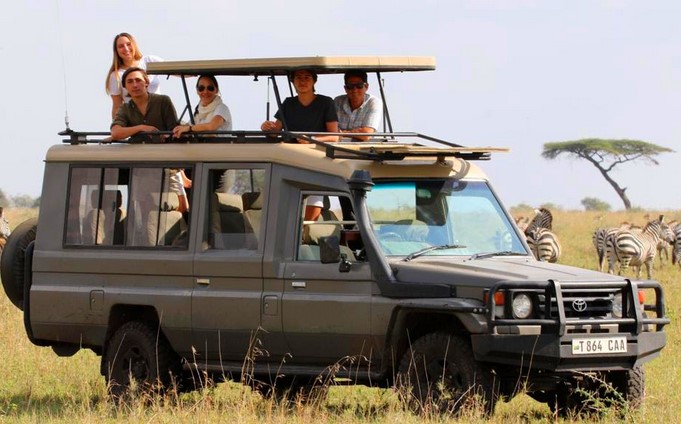
Source:https://www.tanzaniasafarisourcetours.com
Africa’s vast landscapes and extraordinary wildlife provide a unique backdrop for shared adventures that families will treasure for a lifetime. Family safari tours combine the thrill of observing majestic animals in their natural habitats with educational experiences that inspire curiosity, empathy, and environmental awareness among all ages. From the sweeping savannahs of the Serengeti National Park to the wetlands of Okavango Delta, these safaris allow families to bond through exploration while engaging with the continent’s diverse ecosystems. Beyond animal sightings, well-curated tours integrate cultural immersion, conservation education, and safety protocols to ensure an enriching, stress-free experience for every member of the family. This article explores the destinations, planning strategies, and a new concept designed to enhance multi-generational African safari experiences.
Iconic African Safari Destinations
Africa’s topography and biodiversity offer a remarkable variety of safari experiences. Families can select destinations tailored to their interests, physical abilities, and preferred style of travel.
The Masai Mara in Kenya is renowned for its seasonal wildebeest migrations, where thousands of animals traverse the plains in a spectacular natural spectacle. Safari vehicles provide safe viewing while professional guides share insights into predator-prey dynamics, plant ecology, and Maasai cultural heritage.
In South Africa, the Kruger National Park combines high-density wildlife with accessible infrastructure. Families can enjoy game drives, educational centers, and kid-friendly lodges that offer interactive activities such as junior ranger programs and guided bush walks.
For a more aquatic adventure, the Okavango Delta provides opportunities for mokoro (dugout canoe) excursions. Children and adults alike can witness hippos, elephants, and bird species while navigating the delta’s waterways under the supervision of expert guides.
Wildlife Education and Engagement
Family safari tours emphasize educational components that enrich both children’s and adults’ understanding of African ecosystems. Guides are trained to engage young audiences through storytelling, interactive wildlife tracking, and observation challenges that encourage participation and learning.
Some programs incorporate conservation projects. Families may contribute to anti-poaching awareness campaigns, habitat restoration efforts, or wildlife monitoring initiatives. Such hands-on involvement cultivates environmental stewardship, demonstrating the interdependence of humans and nature.
Animal encounters are conducted safely to respect wildlife behavior. Guided game drives, walking safaris, and controlled interactions with protected species ensure that families enjoy immersive experiences without compromising safety or ecological integrity.
Planning a Family Safari
Organizing a family safari requires careful attention to logistics, safety, and activity balance. Selecting age-appropriate accommodations is crucial. Many safari lodges offer family suites, connecting rooms, or tented camps with child-friendly amenities, ensuring comfort without sacrificing immersion in the natural environment.
Transportation planning must account for distances between safari destinations and potential travel fatigue, particularly for younger children. Overnight or extended drives should be minimized where possible. Many operators offer chartered flights between parks to reduce travel time while maximizing exploration opportunities.
Health considerations are equally important. Families should consult travel medicine specialists regarding vaccinations, malaria prophylaxis, and safe dietary practices. Packing essentials such as sun protection, insect repellent, binoculars, and field guides enhances the experience for participants of all ages.
Structured itineraries balance active game drives with downtime for rest, swimming, or cultural activities. Activities like visiting local villages, engaging in craft workshops, or participating in guided night walks create diverse experiences without overwhelming younger travelers.
Safety protocols are paramount. Vehicles are equipped with communication tools, first aid kits, and emergency response plans. Guides maintain situational awareness and brief families on wildlife behavior and park regulations to ensure safe and enjoyable encounters.
Cultural Immersion and Local Connections
African safari experiences are enriched by engagement with local communities. Many lodges and operators facilitate visits to indigenous villages, where families learn about traditional practices, music, dance, and local cuisine. These interactions provide perspective on how human communities coexist with wildlife and natural resources.
Cultural programs often include hands-on learning. Children can participate in storytelling sessions, traditional craft-making, or sustainable farming demonstrations. Adults gain insight into community-based conservation efforts, creating meaningful connections that extend beyond wildlife observation.
Gastronomy is another avenue for cultural engagement. Families can sample regional specialties, participate in cooking demonstrations, or learn about the sourcing of ingredients from local farmers and markets. These experiences enhance appreciation for both culinary traditions and environmental sustainability.
A New Concept: The Multi-Generational Safari Hub
To further enhance the family safari experience, an innovative concept—the Multi-Generational Safari Hub—envisions centralized lodges or eco-resorts designed to accommodate multi-generational family groups while providing diverse programming for all ages.
Key features of the concept include:
- Tiered accommodations with private family suites and interconnecting rooms
- Age-specific educational programs, ranging from junior ranger tracks to adult wildlife photography workshops
- Shared communal spaces for intergenerational interaction, including outdoor dining, storytelling circles, and observation decks
- Rotational activity schedules allowing families to pursue separate interests without losing the shared safari experience
- Integration with local conservation initiatives, providing opportunities for meaningful participation
This concept emphasizes flexibility and personalization while maintaining ecological integrity. By consolidating multi-generational resources in a single hub, families benefit from logistical efficiency, guided expertise, and curated educational content, enhancing overall engagement and satisfaction.
Africa’s landscapes offer more than wildlife sightings; they provide transformative environments where families can connect with nature, culture, and each other. From the plains of the Masai Mara to the waterways of the Okavango Delta, family safari tours offer educational, adventurous, and culturally immersive experiences designed to be safe, memorable, and inspiring. With thoughtful planning, experienced guides, and innovative models like the Multi-Generational Safari Hub, family safari tours are poised to redefine group exploration—allowing families to journey together through Africa’s extraordinary wild landscapes while creating lifelong memories.