


Category Archives: Culture
Music as a Map: Cultural Journeys in Sound

Source:https://i.etsystatic.com
The air in the cramped, dimly lit basement in Seville’s Santa Cruz quarter was thick with the scent of aged sherry and tobacco. I watched a flamenco singer close his eyes, his face contorting in pure agony as a raw, gravelly lament tore from his throat. The acoustic guitar followed him, rapid-firing syncopated rhythms that felt like a localized earthquake. I didn’t understand a word of the Andalusian dialect, but the hairs on my arms stood up instantly; I was listening to the centuries-old pain, migration, and survival of the Romani people.
If your travel itineraries are built solely around tick-box monuments and Instagram-famous viewpoints, you are essentially viewing the world with the sound muted. A staggering number of travelers return from foreign destinations feeling they only scratched the surface, never truly connecting with the locals.
Over my past ten years as a global travel writer, I’ve discovered a profound truth: the quickest way to bypass the tourist bubble is to follow the soundscape. Designing your travels around cultural music journeys transforms a standard vacation into a multi-sensory masterclass in human history.
The Acoustic Landscape: Why Sound is the Ultimate Heritage Blueprint
To understand a destination’s sonic identity, you have to think like an ethnomusicologist. Music is not just entertainment; it is an oral archive.
Think of a region’s traditional rhythm like an ecosystem’s geological timeline. Just as layers of sediment reveal past volcanic eruptions and climate shifts, traditional song structures reveal trade routes, forced migrations, and cultural blendings. For instance, you cannot understand the complex polyrhythms of the Caribbean without mapping the dark history of the transatlantic slave trade.
When you embark on cultural music journeys, you are learning to read these sonic footprints. It is an exploration format that decodes a community’s soul through their instruments, scales, and communal dances.
Iconic Sonic Routes for the Intrepid Audio Traveler
While every corner of the globe hums with its own distinct frequency, a few regions offer deep, highly accessible entry points into traditional sonic heritage. These destinations are perfect for travelers ready to graduate from casual listeners to cultural explorers.
1. The Delta Blues and Jazz Highway, USA
Tracing the Mississippi River from New Orleans up to Chicago is the ultimate pilgrimage for anyone wanting to understand modern popular music.
-
The Blueprint: New Orleans is the birthplace of jazz, an explosive syncopated gumbo of African drum rhythms, European marching band horns, and Caribbean folk pulses. Head north into the Mississippi Delta, and the sound strips down to acoustic slide guitars and vocal call-and-response patterns.
-
My Insider Insight: Skip the hyper-commercialized, neon-soaked clubs on Bourbon Street. If you want the real, unvarnished history, head to the smaller juke joints in Clarksdale, Mississippi, or the local brass band second-lines in Tremé. That is where the music still serves its original purpose: communal healing.
2. The Gamlan Traditions of Bali and Java, Indonesia
The ceremonial bronze orchestras of Indonesia offer an entirely different acoustic philosophy, radically contrasting with Western musical systems.
-
The Experience: Sitting in an open-air pavilion (pendopo) while dozens of musicians strike bronze metallophones, gongs, and drums in intricate, interlocking patterns.
-
The Technical Concept: Gamelan music uses unique tuning systems like slendro (a five-tone scale) and pelog (a seven-tone scale). The hypnotic, cyclic structure isn’t designed to tell a linear story; it is mathematically constructed to mirror the Hindu-Buddhist concepts of cosmic time and spiritual balance.
3. The Gnawa Spiritual Rhythms of Essaouira, Morocco
On the Atlantic coast of Morocco, the ancient spiritual music of the Gnawa people provides a deeply hypnotic sonic immersion.
-
The Narrative: Blending sub-Saharan African Islamic spiritual songs and rhythms with Arabic melodies, Gnawa music relies on the heavy clanging of iron castanets (qraqeb) and the deep resonance of the three-stringed lute (guembri).
-
The Live Context: While the massive Gnaoua World Music Festival draws crowds every summer, the most profound way to experience it is through small communal gatherings known as lila, where the repetitive acoustic patterns are used to induce spiritual trances.
The Terminology of Sound: Speaking the Language of Music Travel
Before you pack your headphones and head out on your first audio-centric expedition, let’s break down the LSI keywords and technical terms you will encounter:
| Technical Term | What It Actually Means | Why It Matters to Your Travels |
| Ethnomusicology | The study of music within its cultural, social, and global contexts. | The foundational framework for understanding music as a living history. |
| Syncopation | A musical rhythm that stresses the weak or unexpected beats. | The rhythmic secret behind the infectious energy of jazz, reggae, and samba. |
| Oral Tradition | Cultural material, history, and art transmitted orally from one generation to another. | Explains why many ancient folk songs are never written down on sheet music. |
| Sonic Heritage | The preservation of intangible cultural assets through historical soundscapes and instruments. | Helps travelers appreciate endangered musical styles protected by UNESCO. |
💡 Pro-Tip: The “Concert Hall” Blunder
Many intermediate travelers think booking an expensive ticket at a state-sanctioned national concert hall is the best way to experience cultural music journeys. Often, it is the exact opposite. Formal stages tend to sanitize folk music for mass consumption. Look instead for community workshops, independent instrument makers, street festivals, or religious ceremonies where the music exists in its natural, functional habitat.
The Commercialization Trap
As music tourism grows, be wary of experiences labeled “Traditional Folk Show + Dinner Buffet.” Nine times out of ten, these are highly choreographed, Disneyfied spectacles designed for cruise ship crowds.
The performances are often stripped of their complex historical contexts, political resistance, or spiritual weight just to make them palatable for tourists. Look for independent local guides or community-led cultural initiatives that focus on education and preserve the raw, unedited roots of their sonic art.
How to Prepare for an Audio-Centric Cultural Journey
To maximize your appreciation for the world’s diverse musical ecosystems, follow this practical field checklist:
-
Study the History Before You Fly: Spend an hour researching the social history of your destination. Understanding the political struggles or religious migrations behind a genre completely changes how you perceive its emotional weight.
-
Invest in High-Quality Field Recording Gear: You don’t need clunky professional setups. A compact, high-quality directional microphone that plugs into your smartphone allows you to capture pristine audio clips of street musicians, rainforest soundscapes, or market chants for your travel journals.
-
Respect the Sacred Silence: In many global traditions, particularly indigenous ceremonies or monastic chanting, music is a prayer, not a performance. Always ask permission before recording, and put your camera away if it disrupts the spiritual environment.
Tuning In to the World
When we travel with our ears open, the world changes shape. Borders fade, and the shared human experience becomes beautifully obvious. Whether it’s the hypnotic loop of a Moroccan lute or the sharp, syncopated blast of a New Orleans horn, music maps the world in ways maps never could. It tells the true story of who we are, where we’ve been, and how we survived.
Over to You! What is the most mesmerizing local musical performance you’ve ever stumbled upon while exploring a new country? Are there any specific cultural music journeys currently sitting at the top of your travel bucket list? Drop your stories in the comments below—let’s talk music!
Sacred Walls: Ancient Temples to Explore Around the World
Source:https://cdn.mos.cms.futurecdn.net
You are standing in the pitch black at 4:30 AM, shivering in the humid tropical night, surrounded by the hushed whispers of thousands of strangers. Slowly, the sky bleeds from deep indigo to a bruised purple, revealing the iconic, lotus-bud silhouettes of a structure built nearly a thousand years ago. As the sun strikes the central towers, the ancient stones glow like molten copper.
If you have ever traveled halfway across the globe to see a legendary monument, only to find yourself jostled by selfie sticks and drowned out by megaphones, you know the ultimate travel frustration. We seek these places to connect with something ancient and profound, yet the modern tourism machine often leaves us feeling disconnected.
Over the past decade of exploring archaeological wonders across five continents, I have realized that visiting cultural ancient temples requires more than just buying a ticket. It demands a shift in perspective. To truly hear the stories locked inside these sacred walls, you need to understand the architectural genius, the spiritual blueprints, and the practical insider strategies that separate a frustrating tourist trap from a transcendent travel experience.
The Architectural Blueprint: More Than Just Stone
To the untrained eye, an old temple is simply a beautiful stack of weathered stones. But ancient architects did not build on a whim; they were constructing cosmic models.
Think of a sacred temple like a physical manifestation of an ancient encyclopedia. Every carving, alignment, and doorway was a deliberate line of code written to explain the universe, track the solar calendar, or bridge the gap between humans and the divine.
When you explore these structures, you are walking through living history books. The engineering methods used to build them—often without modern mortar or cranes—still baffle contemporary engineers. Understanding this hidden language transforms a simple walk into a fascinating historical detective hunt.
Phenomenal Cultural Ancient Temples Worth the Pilgrimage
While thousands of sacred ruins dot our planet, a few key complexes offer an unparalleled blend of historical depth, architectural brilliance, and cultural impact. If you are looking to dive deep into ancient history, these three legendary locations should be at the top of your travel itinerary.
1. Angkor Wat, Cambodia: The Cosmic Ocean in Stone
Angkor Wat is not just a single building; it is the largest religious monument in the world, spanning over 160 hectares. Built in the 12th century by the Khmer Empire, it represents the pinnacle of classical Khmer architecture.
-
The Technical Wonder: The entire complex is a physical replica of the Hindu universe. The central towers represent Mount Meru (the home of the gods), the outer walls represent the edge of the world, and the massive moat represents the cosmic ocean.
-
My Personal Insight: Most travelers follow the exact same route: sunrise at the front reflection pond, followed by a direct march into the central complex. Break the mold by entering through the lesser-known East Gate at dawn. You will experience the temple in near-total solitude as the jungle wakes up around you, completely avoiding the early morning bottlenecks.
2. Tikal, Guatemala: Skyscrapers of the Maya Jungle
Deep within the rainforests of Northern Guatemala lie the limestone ruins of Tikal, one of the most powerful kingdoms of the ancient Maya civilization, flourishing between 200 and 900 CE.
-
The Architecture: Unlike the sprawling horizontal footprints of Asian temples, the Maya built steep, vertical limestone pyramids that pierce through the dense jungle canopy like ancient stone skyscrapers.
-
The LSI Connection: Tikal is a masterclass in archaeoastronomy. The positioning of Temple I and Temple II was precisely calculated to align with the sun during the spring and autumn equinoxes, serving as a massive agricultural calendar for the Maya people.
3. The Hypostyle Halls of Luxor and Karnak, Egypt
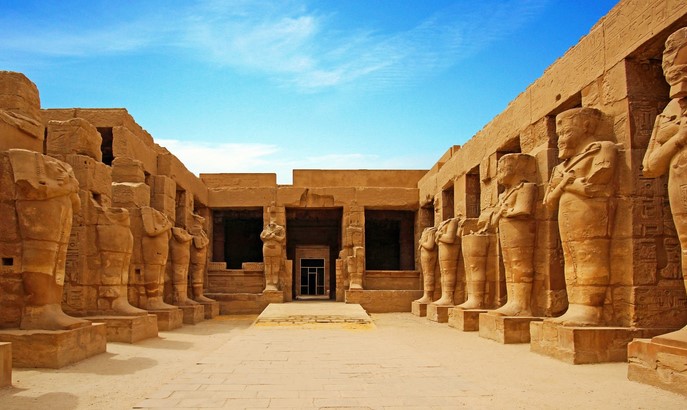
Dating back over 3,000 years, the Karnak Temple Complex in Luxor is an overwhelming testament to the ambition of successive New Kingdom Pharaohs.
-
The Experience: Walking into the Great Hypostyle Hall is a humbling experience. You are surrounded by 134 massive sandstone columns, arranged in 16 rows, standing up to 21 meters high.
-
The Architectural Analogy: Think of a hypostyle hall as an ancient stone forest. The columns mimic giant papyrus stalks, creating a deliberate play of light and shadow that symbolised the primordial marsh from which the Egyptian gods created the world.
Terminology of the Sacred: Decoding Temple Anatomy
Before you jet off on your next archaeological expedition, learning a few architectural and structural terms will help you understand exactly what you are looking at:
| Technical Term | What It Represents | Why It Matters to Your Visit |
| Bas-Relief | Shallow, detailed carvings sculpted directly into a flat stone wall. | Tells the mythological and historical stories of the empire. |
| Lintel | A horizontal support beam spanning the opening between two vertical posts. | Often contains the most intricate and preserved decorative carvings. |
| Stela | An upright stone slab or pillar bearing inscriptions, relief designs, or flags. | Acts as an ancient monument or billboard recording historic royal decrees. |
| Sanctum Sanctorum | The “Holy of Holies”—the innermost holy chamber of a temple. | The spiritual focal point where the primary deity or relic was housed. |
💡 Pro-Tip: The “Midday Heat” Alternative
The vast majority of travel blogs will tell you to visit temples at the crack of dawn. While sunrise is beautiful for photography, it is also the most crowded time of day. If you want to explore the stones in quiet contemplation, head out during the absolute hottest hours of the day (between 12:00 PM and 2:30 PM). Bring plenty of water, wear a wide-brimmed hat, and you will find the crowds drop by up to 70% as tour buses head back to hotels for lunch.
The Destruction of Touch
It is an incredibly natural human instinct to want to run your hands along a beautifully carved, 1,000-year-old stone wall. However, this is one of the most damaging things a traveler can do.
Our hands carry natural oils, sweat, and acidic moisture. Multiply your single touch by millions of visitors per year, and those ancient details quickly erode, turning intricate historical records into smooth, featureless rock. Keep your hands to yourself, stay behind the designated protective barriers, and help preserve these incredible cultural ancient temples for future generations to admire.
How to Respectfully Plan Your Temple Exploration
To ensure your journey into ancient history is smooth, rewarding, and culturally respectful, keep this practical checklist in mind:
-
Follow the Local Dress Code: These sites are ancient ruins, but to the local communities, they remain deeply sacred active places of worship. Always cover your shoulders and knees. Carrying a lightweight sarong in your daypack is a lifesaver.
-
Hire an On-Site, Licensed Guide: Skip the generic audio apps. Hiring a local guide at the gate provides direct economic support to the community and gives you access to personal anecdotes and hidden architectural secrets you won’t find on a Google search.
-
Look Beyond the Main Structure: The grand central towers get all the fame, but the smaller, outlying libraries, overgrown courtyards, and crumbling boundary walls often hold the most atmospheric charm and quiet beauty.
The Lasting Echo of the Stones
Ultimately, visiting an ancient temple is a lesson in humility. These structures have outlived empires, survived wars, and weathered centuries of shifting climates. Standing within their walls reminds us of the incredible creativity, resilience, and spiritual ambition of the human spirits that came before us.
Over to You! Which ancient temple around the world has left the biggest impression on you, or which iconic ruins are you dying to explore next? Let me know your thoughts and travel plans in the comments below—let’s swap stories!
Art in the Village: Cultural Craft Communities to Explore

Source:https://culturephamtravel.com
You enter a sunlit courtyard in a remote valley, watching an elderly artisan spin raw silk threads onto a wooden spindle that has been passed down through four generations. Intrigued by the gorgeous, intricate textile hanging on the wall, you check the price tag—it is a mere $20 USD. You happily pay, thinking you’ve secured an authentic piece of local heritage, only to find out later from a local guide that it was actually a synthetic, machine-made imitation imported from a mass-production factory thousands of miles away.
Over my ten years of navigating global creative hubs, I have witnessed this exact heartbreak break the hearts of hundreds of well-meaning travelers. In our race to consume culture, the travel industry has commercialized art, frequently replacing authentic heritage with mass-produced souvenirs. Finding and engaging with genuine cultural craft villages is an incredible way to travel sustainably, but it requires a discerning eye, a bit of cultural humility, and an understanding of preservation logistics.
Let’s pull back the curtain on how to identify true artisanal collectives, explore the world’s most vibrant craft corridors, and learn how to buy art responsibly.
What Defines a True Artisanal Collective?
To understand how these communities operate, think of a genuine craft village like a living ecosystem. The art form isn’t just a product; it’s an extension of the local geography. The clay comes from the nearby riverbed, the dyes are boiled from indigenous roots, and the patterns tell the oral history of the community’s ancestors.
The Geography of Material Culture
Authentic cultural craft villages almost always develop around specific raw materials. For example, a village tucked into a bamboo forest will naturally evolve into a basketry or paper-making hub, while a settlement near rich volcanic clay deposits will become a pottery center.
When you visit a real heritage community, the production process is decentralized. You won’t find a single massive factory. Instead, you will see a network of home-based workshops where extended families collaborate, dividing labor based on generations of specialized knowledge.
The Technical Markers of Authenticity
If you want to distinguish a thriving creative hub from a tourist trap masquerading as one, look for these specific indicators:
-
Raw Material Storage: Legitimate workshops will have piles of raw clay, bundles of untreated wicker, or vats of natural fermenting indigo visible on the property.
-
Irregular Masterpieces: Handcrafted goods possess subtle, beautiful imperfections—slight variations in dye saturation or minor structural asymmetries that a machine cannot replicate.
-
An Open-Door Workflow: True master artisans are usually proud to show you their workspace, explain their tools, and demonstrate their firing, weaving, or carving techniques without immediately pressuring you to buy.
Global Craft Corridors Every Traveler Should Visit
While traditional craftsmanship exists globally, certain regions have preserved their creative infrastructure beautifully, creating perfect routes for slow, culturally immersive travel.
+-------------------+-----------------------------------+-----------------------------------+
| Region/Village    | Primary Craft Specialization      | Heritage Status & Materials       |
+-------------------+-----------------------------------+-----------------------------------+
| Southeast Asia    | Ikat Weaving & Natural Indigo     | Backstrap looms, organic cotton   |
|                   | Dyeing                            |                                   |
+-------------------+-----------------------------------+-----------------------------------+
| Mesoamerica       | Backstrap Loom Textiles & Cochineal| Hand-spun wool, insect-based red   |
|                   | Dyeing                            | pigments                          |
+-------------------+-----------------------------------+-----------------------------------+
| North Africa      | Terracotta Pottery & Zellij Tiles  | Wood-fired kilns, local river clay|
+-------------------+-----------------------------------+-----------------------------------+
The Textile Hubs of Mesoamerica and Southeast Asia
From the high-altitude Andean communities of Peru to the quiet river villages of Laos, traditional weaving remains a pillar of identity. In these cultural craft villages, women use ancient backstrap looms to create complex geometric patterns.
The color palettes are often a masterclass in organic chemistry. Artisans extract deep blues from fermented indigo leaves, brilliant yellows from marigold blossoms, and rich crimsons from crushed cochineal insects.
The Pottery and Ceramic Centers of North Africa
Stepping into a historic ceramic community, such as those found in Morocco or Uzbekistan, is like walking into a living museum. Master potters still throw heavy river clay on manual kick-wheels, shaping elegant vessels that are later baked in massive, wood-fired brick kilns. The intricate glazing work requires a steady hand and decades of practice, using copper for green hues and cobalt for that iconic, striking blue.
The Economics of Craft Travel: Ethical Purchase Guidelines
When you buy a piece of art directly from a village workshop, you aren’t just purchasing a souvenir; you are directly funding cultural preservation and rural economic development. However, your purchasing habits must be intentional to prevent exploitation.
Deconstructing the Fair Trade Model
Many shops claim to follow “Fair Trade” principles, but as an independent traveler, you can verify this yourself. Ask the shop manager what percentage of the sale price goes directly to the individual artisan who created the piece. In a truly ethical collective or cooperative system, the majority of the proceeds should return to the makers, providing them with a sustainable livelihood that incentivizes them to teach the craft to the younger generation.
The Nuances of Bargaining
In many traditional marketplaces, bargaining is an expected social dance. However, when visiting independent cultural craft villages, you must adjust your approach.
A Guide to Respectful Commerce: Never aggressively haggle an artisan down to their absolute bottom line just to save a couple of dollars. A fair negotiation should feel like a polite conversation where both parties walk away feeling respected. Consider the hours, days, or sometimes weeks of physical labor that went into making that single item before asking for a steep discount.
     💡 PRO-TIP FOR EXAMINING TEXTILES:
     To test if a textile is made of genuine silk or wool rather than synthetic polyester,
     ask the artisan for a tiny scrap of loose thread and perform a "burn test." Real silk
     or wool will burn slowly, smell like burnt hair, and leave behind a crumbly ash.
     Synthetic fibers will melt quickly, smell like sweet chemicals, and harden into a
     solid plastic bead.
Avoiding Hidden Pitfalls: The Danger of “Staged Heritage”
As experiential travel becomes more popular, some large tour operators have begun organizing trips to “staged” villages. These are artificially constructed environments where performers wear traditional costumes solely for photo opportunities, returning to modern clothes as soon as the tour buses leave.
How to Bypass the Staged Tour Traps
To experience true community-based tourism, avoid booking mass commercial day tours from major resort cities. Instead, hire an independent local guide who speaks the regional dialect, or use public transport to head deep into rural areas independently. Spend a night or two at a local guesthouse near the creative hub; this gives you the time to wander the neighborhood early in the morning when the community is working for themselves, not for an audience.
Preserving the World’s Creative Soul
Exploring cultural craft villages offers a rare window into the artistic heritage of humanity. By taking the time to seek out authentic workshops, learning the technical stories behind the materials, and participating in ethical commerce, you become an active partner in keeping ancient traditions alive. The art pieces you bring home will carry a living history, reminding you of the human hands, smiles, and stories that shaped them.
Have you ever visited an authentic craft community that completely changed the way you look at art? Or are you currently planning an immersive itinerary for your next trip? Drop your thoughts and experiences in the comments below, and let’s keep the conversation going!
Stages of History: Cultural Theater Tours to Discover
Source:https://performance.stageright.com
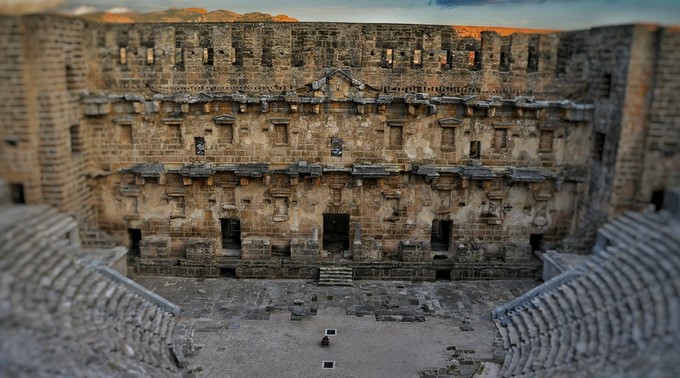
You are sitting in a stone amphitheater in Greece, the sun dipping below the Mediterranean horizon. A performer at the center of the stage drops a tiny silver coin onto a marble slab. From the very back row—150 feet away and 60 feet up—you hear the distinct clink as if it happened right next to your ear. This isn’t magic; it’s a 2,400-year-old masterpiece of acoustic engineering that modern stadiums still struggle to replicate.
Over the past decade, I’ve navigated the world not just to see landscapes, but to sit in the “living rooms” of history. Cultural theater tours are more than just watching a play; they are an immersion into the architectural and social blueprints of a civilization. From the gold-leafed grandeur of Parisian opera houses to the dusty, sun-drenched stones of Roman ruins, I’ve learned that a theater tells you more about a city’s soul than any museum ever could.
The Architecture of Emotion: Why Theater Tours Matter
To the uninitiated, a theater is just a room with seats and a stage. But for the serious traveler, these structures are technical time capsules. When you join cultural theater tours, you are examining how humans have solved the “Distance Problem”—how to project a human voice and a human emotion to thousands of people without the aid of a microphone.
Think of an ancient theater like a satellite dish made of stone. Every curve of the seating (the theatron) and every angle of the backstage wall (the skene) was mathematically calculated to bounce sound waves back to the audience. In a world of digital noise, standing in these silent spaces offers a profound lesson in the power of the raw human voice.
Global Stages: Must-Visit Cultural Theater Tours
If you’re ready to move beyond the tourist traps, here are the regions where history is still “performing” every single day.
1. The Greco-Roman Circuit: Epidaurus and Taormina
If you want to understand the origins of drama, you must go to the Mediterranean. The Theater of Epidaurus in Greece is the gold standard for acoustics.
-
The Insight: I once visited during a rehearsal of Antigone. Watching the actors move across the orchestra (the circular performance space) made me realize that the circular design wasn’t just for sightlines; it creates a “sound vortex” that keeps the energy trapped within the bowl.
-
Technical Detail: Look for the “natural amplification” limestone seats. Studies have shown that the rows of limestone seats filter out low-frequency background noise (like the wind) while reflecting high-frequency voices.
2. The European Grandeur: Paris and Venice
Moving from stone to velvet, the Opéra Garnier in Paris or La Fenice in Venice represent the height of Baroque and Neoclassical design.
-
The Experience: We often think of these as places for the elite, but the technical innovation here was about social visibility. The “horseshoe” shape of the balconies wasn’t for the best view of the stage—it was so the wealthy could see each other.
-
LSI Context: Notice the use of proscenium arches and trapdoors; these were the “special effects” of the 19th century, allowing for elaborate set changes that signaled the dawn of modern entertainment.
3. The Eastern Tradition: Kabuki-za in Tokyo
For something completely different, cultural theater tours in Japan offer a glimpse into a world of ritualized movement.
-
The Highlight: The Hanamichi (flower path). This is a long raised platform that runs through the audience. It breaks the “fourth wall” and allows actors to enter right next to the spectators.
-
Expert Tip: Pay attention to the revolving stage (Mawari-butai). Japan was using mechanical revolving stages for rapid scene changes long before Western theaters adopted the technology.
Navigating the Technical Side: Beyond the Performance
When you book cultural theater tours, you aren’t just buying a ticket to a show; you are often gaining “Backstage Access.” Here is what you should look for to ensure you are getting a deep-dive experience:
-
The Rigging and Fly Systems: Ask to see the “fly loft.” In historic theaters, these are complex systems of ropes, pulleys, and counterweights that allow multi-ton sets to vanish in seconds.
-
The Pit: Observe the orchestra pit. In older houses, the depth of the pit is specifically engineered based on the building’s reverberation time—too shallow, and the brass instruments will drown out the singers; too deep, and the sound becomes “muddy.”
-
Seating Sightlines: Modern “tiered” seating is often superior to old “box” seating. If you are there for the history, sit in the boxes; if you are there for the performance, the Parterre (stalls) usually offers the best acoustic balance.
Expert Advice: Pro Tips for the Cultural Traveler
After ten years of “stage-hopping,” I’ve developed a few rules to help you avoid the crowds and find the authentic echoes.
Tips Pro: The “Empty Room” Protocol
Whenever possible, book a technical tour during the morning hours when the theater is empty. The acoustics change completely when the room is filled with people (who act as sound-absorbing “soft baffles”). Hearing the natural echo of an empty 2,000-seat house is a hauntingly beautiful experience that you lose once the crowd arrives.
Beware of “Renovated” ruins. Some ancient theaters have been heavily restored with modern concrete to facilitate pop concerts. While great for the local economy, this can ruin the original acoustic fingerprint of the site. Look for “Heritage-protected” sites where the original stone is still the primary surface.
Scannable Checklist for your Theater Expedition
-
Dress Code: Even if it’s an afternoon tour, many grand European houses maintain a “smart-casual” atmosphere. Avoid flip-flops to show respect to the “Ghost of the House.”
-
Optics: Bring a small pair of theater binoculars (opera glasses). Historic theaters were designed for the naked eye, but the intricate carvings on the ceiling and the detail of the costumes are worth the magnification.
-
The “Whisper” Test: If you are at an ancient site, have a partner stand in the center of the stage while you go to the top row. Have them whisper a secret. If you can hear it, you are in a masterfully engineered space.
-
Timing: Many historic theaters in Italy and Spain are closed on Mondays. Always check the seasonal schedule, as many open-air theaters only perform during the “Golden Summer” months.
The Sustainable Impact of Theater Tourism
Supporting cultural theater tours is a direct investment in Architectural Conservation. These buildings are incredibly expensive to maintain—the gilding, the upholstery, and the structural integrity of ancient stone require constant funding. By visiting, you are helping to keep these “Stages of History” from falling silent.
Furthermore, many theater tours now highlight Traditional Craftsmanship, from the costume makers who use 100-year-old techniques to the scenographers who preserve the art of hand-painted backdrops. You are supporting a living lineage of artists.
Conclusion: Finding Your Place in the Story
Theater is the only art form that requires a physical “gathering” to exist. When you stand on a stage that has seen thousands of years of human triumph and tragedy, you realize that while our technology changes, our stories remain remarkably the same. Cultural theater tours don’t just show you where people used to sit; they show you how we’ve always tried to understand ourselves.
The next time you travel, don’t just walk past that old building with the pillars. Go inside, find a seat, and listen. The stones have plenty to say.
Which historic stage has always been on your bucket list? Is it the neon-lit boards of Broadway, or the silent marble of a Greek ruin? Share your favorite theater memories in the comments—I’d love to know where your “Stage of History” began!
Echoes Underground: Ancient Cave Tours Worth Exploring
 The moment the guide asks everyone to switch off their headlamps, the world doesn’t just get dark—it vanishes. In the belly of a limestone cavern, “darkness” is a physical weight that presses against your skin. You can’t see your hand an inch from your nose, but your other senses suddenly go into overdrive. You hear the rhythmic tink-tink of water minerals hitting a pool and smell the damp, metallic scent of earth that hasn’t seen the sun in a million years.
Over the past decade, I’ve crawled through narrow squeeze-ways in Southeast Asia and walked through cathedral-sized caverns in the Balkans. I’ve learned that ancient cave tours are the closest thing we have to a time machine. While a museum shows you artifacts behind glass, a cave puts you inside the very womb where human history—and geological time—was forged.
The Silent Architects: How Caves Are “Built”
To understand why these subterranean worlds are so precious, you have to realize that caves are the slowest construction projects on Earth. Most of the famous caverns we visit today are Solution Caves, primarily formed by the chemical dissolution of limestone.
Think of a cave like a giant piece of Swiss cheese being slowly carved by acidic rainwater. As rain falls through the atmosphere, it picks up carbon dioxide, becoming a weak carbonic acid. Over millions of years, this “acid rain” eats away at the bedrock, creating the voids we explore.
When you look at a stalactite (the ones hanging from the ceiling) or a stalagmite (the ones on the floor), you are looking at a geological calendar. On average, these formations grow at a rate of about one inch every 100 years. When you stand next to a five-foot pillar, you are standing next to 6,000 years of “frozen” water drops.
Top Ancient Cave Tours for the Modern Explorer
If you are ready to trade the sky for the stone, these are the regions where the subterranean world offers the most profound experiences for beginners and intermediates.
1. The Karst Landscapes of Southeast Asia
Countries like Vietnam and Laos hold some of the world’s largest and most majestic cave systems.
-
Personal Insight: I’ve found that the Phong Nha-Ke Bang National Park in Vietnam is the gold standard. While everyone wants to see Son Doong (the world’s largest), the more accessible Paradise Cave (Thien Duong) is a technical marvel of crystalline formations.
-
LSI Context: These are often River Caves, where you explore via boat, witnessing the power of fluvial erosion firsthand.
2. The Maya Underworld of Central America
For the Maya, caves weren’t just geological features; they were Xibalba, the entrance to the underworld.
-
The Experience: Exploring the Actun Tunichil Muknal (ATM) Cave in Belize was a turning point in my career. You aren’t just looking at rocks; you are wading through water to see 1,000-year-old calcified skeletons and ceramic offerings left by priests.
-
Technical Detail: The constant 100% humidity and stable temperatures in these caves act as a natural preservative for archaeological remains.
3. The Mammoth systems of North America
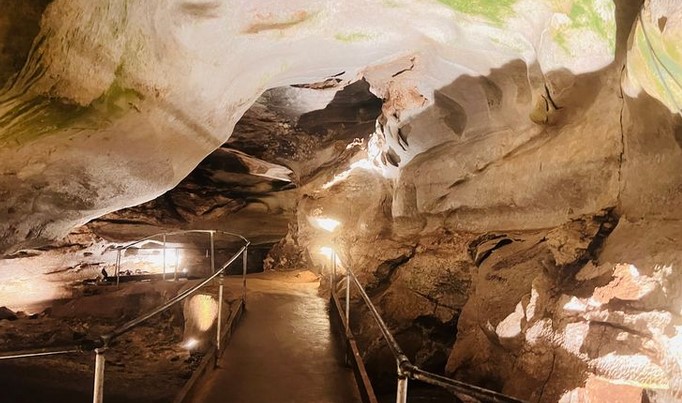
Mammoth Cave in Kentucky is the longest cave system known to man, with over 400 miles of surveyed passages.
-
The Highlight: This is the best place for beginners to learn about speleogenesis (the origin and development of caves). The sheer scale allows for “walking tours” that feel more like wandering through an underground city than a cramped tunnel.
Navigating the Technical Side: Gear and Safety
Even on “easy” ancient cave tours, the environment is technically demanding. Most caves maintain a constant temperature—usually the average annual temperature of the location outside. This means a cave in the jungle might be a humid 25°C, while a cave in the mountains could be a bone-chilling 10°C.
-
Footwear Physics: You need shoes with multidirectional lugs. Cave floors are often covered in “cave milk” (a pasty carbonate deposit) or slick mud. Standard sneakers will turn into ice skates.
-
Lumen Logic: If you are doing a semi-wild tour, don’t rely on your phone flashlight. You need a dedicated headlamp with at least 300 lumens and a wide beam pattern to appreciate the scale of the chambers.
-
The “Rule of Three”: In the caving community, we never go in without three independent light sources. If one fails, you have a backup. If the backup fails, you have a “life-saver” to get you out.
Expert Advice: Professional Etiquette Underground
Caves are some of the most fragile ecosystems on the planet. One careless move can destroy 10,000 years of growth.
Tips Pro: The “Hands-Off” Mandate
Never touch a formation. Your skin produces natural oils that act as a “waterproof sealant” on the rock. Once you touch a growing stalactite, the water can no longer deposit its minerals there, and that formation effectively “dies.” It stops growing forever.
Beware of White-Nose Syndrome. This is a fungal disease killing millions of bats. If you are a frequent cave-goer, you must decontaminate your gear between different cave systems. Most reputable tours will provide a foot bath at the entrance. Do not skip it; you could be carrying a biological death sentence for the local bat population on your boots.
Scannable Checklist for your Cave Expedition
-
Clothing: Wear synthetic “wicking” layers. Cotton becomes heavy and cold when wet.
-
Health: If you suffer from claustrophobia, start with “Show Caves”—these have electric lighting and paved walkways to help you acclimate.
-
Photography: Use a “Long Exposure” setting and a tripod if allowed. Modern smartphones struggle with the “High Dynamic Range” needed to capture the deep shadows and bright limestone highlights.
-
Biodiversity: Keep an eye out for Troglobites—animals that have evolved to live entirely in the dark, often losing their eyes and pigmentation.
The Impact of Subterranean Tourism
As we explore these ancient cave tours, we are funding the protection of vital aquifers. Most of our world’s fresh water is stored in karst landscapes. By supporting ethical cave tourism, you are encouraging local governments to protect these areas from quarrying and pollution.
A cave is a “closed system.” Everything you bring in—even the lint from your clothes or the carbon dioxide from your breath—affects the delicate balance. Choosing tours with limited group sizes is the best way to ensure these “echoes” last for another million years.
Conclusion: The Call of the Deep
There is a profound humility in walking through a passage that was carved when mammoths still roamed the earth. Ancient cave tours remind us that we are just a blink in the eye of geological time. They offer a rare chance to disconnect from the digital world and reconnect with the raw, silent power of the planet.
The next time you have the chance to go underground, take it. Turn off the light, hold your breath, and listen to the Earth breathe.
Which subterranean wonder is on your bucket list? Are you drawn to the crystal cathedrals of Vietnam or the haunted sacrificial chambers of Belize? Share your thoughts below—I’d love to help you find your perfect path into the deep!
Culture Under the Sky: Open-Air Theaters Worth Visiting
 The sun was dipping below the horizon, painting the limestone cliffs of Cornwall in hues of burnt orange and deep violet, as the first violin note cut through the sound of crashing Atlantic waves. I wasn’t in a plush, climate-controlled opera house in London; I was perched on a granite ledge at the Minack Theatre, clutching a blanket and a thermos of tea. It occurred to me then that while indoor theaters are built to mimic life, cultural open-air theaters force life to harmonize with the elements.
For over a decade, I’ve tracked down the world’s most spectacular outdoor stages, from ancient Roman amphitheaters to modern architectural marvels. If you’ve ever felt that traditional theater is a bit too “stiff” or claustrophobic, you’re not alone. The magic of an open-air performance lies in its unpredictability—the way a passing breeze or a rising moon becomes an unscripted part of the set.
Why Cultural Open-Air Theaters Offer a Superior Sensory Experience
Think of an indoor theater like a studio recording: it’s polished, controlled, and isolated. An open-air theater, by contrast, is a live outdoor concert. You have the “ambient track” of nature, the shifting lighting of the sunset, and a spatial acoustics profile that no speaker system can perfectly replicate.
Visiting cultural open-air theaters is an exercise in “Environmental Immersion.” These venues were often designed using ancient principles of natural acoustics. In places like Epidaurus, a whisper on stage can be heard in the back row, 60 meters away, thanks to the technical precision of the limestone seating which acts as a natural filter for low-frequency background noise while reflecting high-frequency voices.
The Technical Brilliance of Ancient and Modern Outdoor Stages
To the untrained eye, an outdoor theater is just a pile of stones or a wooden deck. To an architect or a seasoned traveler, it is a masterclass in passive acoustic engineering and sightline optimization.
1. Natural Amplification and Wave Reflection
Ancient Greeks were the pioneers of this. They understood that the semi-circular shape of the theatron allowed sound waves to bounce off the hard surfaces and travel upward without losing clarity. When you visit these sites, you are witnessing the “analog” version of a modern soundboard.
2. Scenography and Borrowed Scenery
In Japanese garden design, there is a concept called Shakkei, or “borrowed scenery.” Many cultural open-air theaters use this same technical principle. The stage isn’t just the wooden planks; it’s the mountain range, the ocean, or the city skyline behind it. This creates a depth of field that makes the performance feel three-dimensional and infinite.
3. Thermal Management for the Audience
Modern outdoor theaters often use bioclimatic design to keep audiences comfortable. This includes strategic orientation to catch evening breezes or using stone materials that retain the day’s heat to keep viewers warm during a chilly night performance.
Global Destinations for the Open-Air Connoisseur
After 10 years on the road, I’ve found that these three venues represent the absolute pinnacle of the outdoor theatrical experience.
The Minack Theatre (Cornwall, UK)
Carved into a granite cliff overlooking Porthcurno Bay, this theater is a testament to human grit. It was built largely by hand by Rowena Cade in the 1930s.
-
The Personal Insight: I’ve watched Shakespeare here during a light drizzle, and surprisingly, the rain made the tragedy of King Lear feel significantly more visceral. The technical challenge here is the salt spray; if you’re in the front rows, your skin will literally taste like the ocean by intermission.
Odeon of Herodes Atticus (Athens, Greece)
Located on the southern slope of the Acropolis, this is arguably the most prestigious stage in the world.
-
The Experience: Watching a performance here is like stepping into a time machine. The stone walls, originally built in 161 AD, provide a reverberation time that is perfect for operatic vocals and orchestral crescendos.
Santa Fe Opera House (New Mexico, USA)
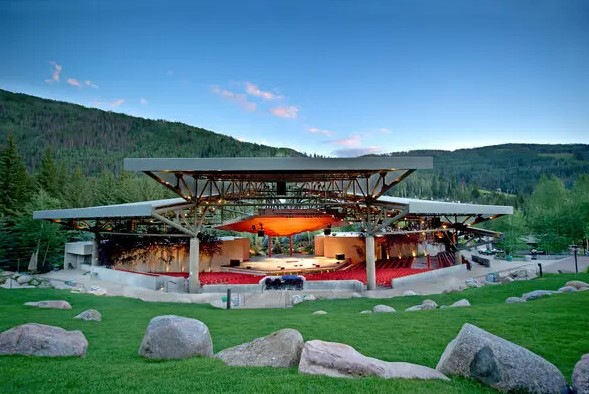
This is a modern marvel. The roof is designed to look like a ship’s sails, but its technical purpose is to act as a wind deflector and an acoustic canopy. Because the sides are open, you can watch lightning storms in the distance while listening to Puccini—a truly “electrifying” experience.
💡 Pro Tip: The “Cushion and Layer” Strategy
Here is a secret from the pros: The stone is your enemy. Ancient theaters were built for durability, not gluteal comfort. Many venues rent cushions, but they are often thin and overpriced. I always carry a self-inflating seat pad. Furthermore, even in the desert, temperatures drop rapidly once the sun sets. Always pack one more layer than you think you need—sitting still for two hours makes your body temperature drop much faster than when you’re walking.
Essential Gear for the Outdoor Spectator
When you attend cultural open-air theaters, you aren’t just an audience member; you are an expeditionist. You need gear that handles the technical transition from day to night.
-
Binoculars (Compact 8×25): Even with great sightlines, seeing the subtle facial expressions of an actor from 40 rows up is a game-changer.
-
DEET-Free Repellent: Mosquitoes love a captive audience. Use a Picaridin-based spray; it’s odorless and won’t ruin the experience for the person sitting next to you.
-
Silent Snacks: Nothing ruins a dramatic soliloquy like the “crinkle” of a plastic chip bag. Pack soft foods—grapes, cheeses, or sandwiches wrapped in cloth—to ensure you aren’t the source of noise pollution.
Navigating the Logistics: Tickets and Timing
Because these venues are seasonal, the competition for tickets is fierce.
-
The “Restricted View” Hack: In many ancient theaters, “restricted view” tickets are sold because a pillar or a slight angle blocks a tiny portion of the stage. For an intermediate traveler, these are the best value—the acoustic quality remains identical, and you save up to 50% on the entry fee.
-
Arrival Windows: For cultural open-air theaters, the “show” starts 60 minutes before the actors arrive. This is when the light changes and the atmosphere builds. Arriving early isn’t just about finding your seat; it’s about watching the architecture interact with the twilight.
The Hidden Warning: Weather and Cancellations
Unlike a movie theater, an outdoor venue is at the mercy of the gods.
Understand the “Rain Policy.” Most theaters will perform through a light mist but will stop for lightning or heavy downpours. I’ve seen tourists demand refunds five minutes into a storm, unaware that most outdoor theaters have a “No Refund After 30 Minutes” policy. Expert Advice: Check the local radar on an app like Windy before you leave your hotel. If a storm cell is moving in, bring a high-quality poncho—umbrellas are strictly forbidden because they block the view of everyone behind you.
Scannable Checklist for Your First Visit
-
Check the Footwear: Many of these theaters involve steep, uneven stone steps. Leave the heels at home; wear high-traction flats or sandals.
-
Hydration: Open-air doesn’t mean cool. If the sun is still up, the stone seats act like an oven. Bring a liter of water per person.
-
Research the Libretto: If you’re seeing an opera in an ancient language, read the summary beforehand. Without subtitles on a screen, you’ll rely entirely on the actors’ physicality.
-
Sun Protection: For matinee shows, you are a sitting duck. A wide-brimmed hat is essential, but be prepared to take it off once the performance starts.
Conclusion: A Performance Without Walls
Attending a show in one of the world’s great cultural open-air theaters is a reminder that art wasn’t always something we “consumed” in a dark box. It was a communal event that included the stars, the wind, and the earth. When the final curtain call happens and you look up to see the real constellations above the stage, you realize that no amount of digital special effects can compete with the raw beauty of a performance under the open sky.
Have you ever watched a play under the stars, or is an ancient amphitheater still on your bucket list? Which venue’s “natural scenery” would you most love to see? Let’s talk about your favorite outdoor memories in the comments below!
Sacred Paths: Spiritual Pilgrimage Tours Worth Taking
Source:https://nowjourney.com
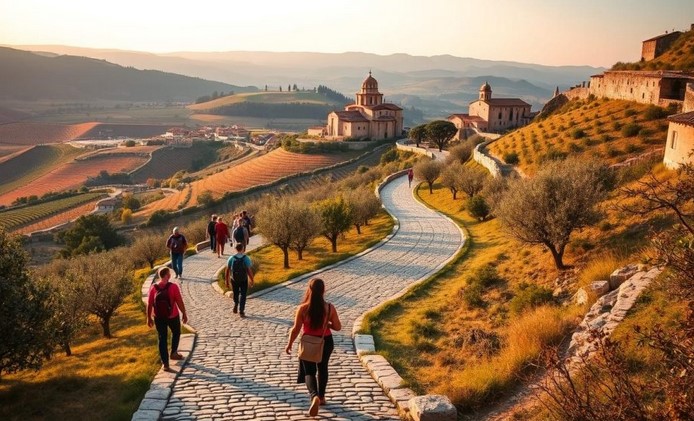
In an era defined by speed, constant connectivity, and surface-level experiences, many travelers are turning inward in search of meaning. This renewed interest has given rise to thoughtfully designed spiritual pilgrimage tours, journeys that are not merely about reaching a destination but about transformation along the way. Rooted in ancient traditions yet adapted for modern seekers, these sacred paths invite reflection, discipline, and a deeper understanding of one’s place in the world.
Reimagining Pilgrimage in the Modern World
Pilgrimage has existed for thousands of years across cultures and faiths. From walking to sacred mountains to circling revered shrines, these journeys were historically acts of devotion, penance, or gratitude. Today, pilgrimage is being reimagined as an inclusive and reflective practice, open to people of diverse beliefs who seek clarity, healing, or purpose.
Modern pilgrimage journeys emphasize intentional travel. Participants often disconnect from daily routines, slow their pace, and engage with rituals, silence, and community. Unlike conventional tourism, these journeys prioritize inner experience over external consumption. The value lies not in how much is seen, but in how deeply one engages.
What makes contemporary pilgrimage especially relevant is its ability to respond to modern challenges. Burnout, anxiety, and disconnection are common experiences in today’s world. Sacred journeys provide structured time for contemplation, offering mental and emotional restoration. They also foster humility by placing the traveler within a larger historical and spiritual narrative, reminding them that countless others have walked similar paths seeking wisdom and peace.
Three Sacred Paths Worth Taking
Across the globe, certain pilgrimage routes stand out for their depth, symbolism, and enduring relevance. These paths are not defined solely by religious doctrine, but by the transformative processes they encourage.
One such path is the Camino de Santiago in Spain. Walked for over a millennium, this route draws people from all backgrounds. The long days of walking, simple accommodations, and shared meals create an environment where reflection arises naturally. The Camino teaches patience, resilience, and the value of human connection, often leaving travelers with insights that extend far beyond the journey itself.
In Asia, the Kumano Kodo in Japan offers a different yet equally profound experience. This network of forested trails connects ancient shrines nestled in mountainous terrain. Pilgrims move through misty landscapes that emphasize harmony with nature. The journey reflects a worldview where spiritual understanding emerges through balance, respect, and attentiveness to the natural world.
In South America, the pilgrimage to Machu Picchu via the Inca Trail blends physical challenge with historical reverence. Walking stone paths laid centuries ago, travelers encounter ruins that speak of cosmology, craftsmanship, and devotion to the land. This journey underscores the idea that spirituality can be embedded in architecture, geography, and communal memory.
Designing Meaningful Pilgrimage Experiences
What unites these sacred paths is not geography, but design. Meaningful pilgrimage journeys share several core principles. First, they involve deliberate effort. Physical movement—whether walking, climbing, or enduring discomfort—becomes a metaphor for inner work. Second, they create space for silence and reflection, allowing insights to surface organically. Third, they foster respect for local traditions, ensuring that sacred places are approached with humility rather than entitlement.
Well-designed journeys also balance guidance with autonomy. While experienced facilitators can provide historical and cultural context, participants are encouraged to interpret their experiences personally. This balance allows each traveler to derive unique meaning without feeling constrained by rigid expectations.
Ethics, Preparation, and Lasting Impact
As interest in sacred travel grows, ethical considerations become increasingly important. Pilgrimage routes often pass through fragile ecosystems and living communities. Responsible travelers must prioritize sustainability, cultural sensitivity, and economic fairness. Supporting local guides, respecting rituals, and minimizing environmental impact are essential practices that preserve these paths for future generations.
Preparation is equally critical. Unlike leisure travel, pilgrimage demands mental, physical, and emotional readiness. Travelers benefit from setting intentions before departure, understanding the historical significance of the route, and preparing for challenges along the way. Such preparation ensures that difficulties are seen not as obstacles, but as integral elements of the journey.
The true measure of a pilgrimage lies in its lasting impact. Many travelers return with renewed perspectives, simplified priorities, and a stronger sense of purpose. The lessons learned often influence daily life, shaping relationships, work habits, and personal values. In this way, the journey does not end upon returning home; it continues as an ongoing practice of mindfulness and ethical living.
Ultimately, spiritual pilgrimage tours represent more than curated travel experiences. They are invitations to walk ancient paths with modern awareness, to learn from history while confronting present realities, and to return changed in ways both subtle and profound.
Legacy Trails: Heritage UNESCO Tours Across Continents
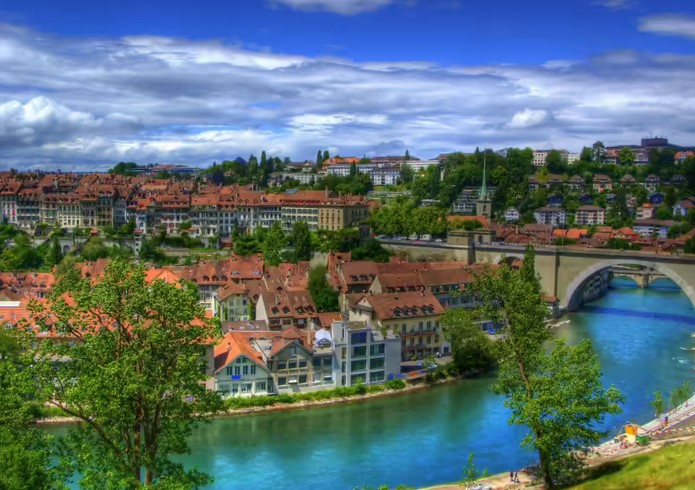 The allure of history, culture, and architecture often leads travelers on paths that have shaped the very essence of human civilization. One of the most remarkable ways to experience the world’s rich legacy is through heritage UNESCO tours, which offer a unique opportunity to explore and appreciate UNESCO’s World Heritage Sites. These sites, recognized for their cultural, historical, or natural significance, are scattered across continents, offering an unforgettable journey through time. From the ancient wonders of the world to the remarkable achievements of modern humanity, these tours invite visitors to engage with landmarks that have stood the test of time and continue to inspire future generations.
The Essence of Heritage: What UNESCO World Heritage Sites Represent
The United Nations Educational, Scientific and Cultural Organization (UNESCO) established the World Heritage program in 1972 to identify and protect sites of exceptional cultural, natural, or mixed significance. These sites are more than just travel destinations; they are landmarks of human achievement, conservation, and collective memory. UNESCO’s commitment to preserving these sites emphasizes their value not only to the countries in which they reside but to the global community as a whole.
When embarking on heritage UNESCO tours, travelers get a chance to witness firsthand the enduring beauty and significance of places that embody the cultural and natural history of humanity. The sites selected by UNESCO vary widely, from awe-inspiring ancient ruins and religious monuments to lush natural landscapes and biodiversity hotspots. Each UNESCO World Heritage Site tells its own story, often tied to ancient civilizations, sacred traditions, or extraordinary ecological importance.
The Top UNESCO Heritage Sites Across Continents
1. Europe: From Ancient Ruins to Renaissance Splendors
Europe is home to many UNESCO World Heritage Sites, each representing a different facet of the continent’s rich history. One of the most famous examples is the Colosseum in Rome, Italy. This iconic amphitheater, dating back to AD 70-80, is a symbol of Roman engineering and ancient entertainment, offering insight into the grandiosity of Roman civilization. It remains a crucial part of understanding the social, political, and cultural significance of the Roman Empire.
Another celebrated site is The Acropolis of Athens in Greece, a stunning example of classical architecture. The Parthenon, perched atop a hill, is a testament to ancient Greek culture and the birthplace of democracy. Visitors who undertake heritage UNESCO tours in Greece find themselves immersed in the history that laid the foundation for modern Western civilization.
Further west, Stonehenge in the United Kingdom, a prehistoric monument, draws millions annually. Its purpose remains a mystery, but its sheer size and alignment with celestial bodies speak to an advanced understanding of astronomy among ancient peoples.
2. Asia: The Spiritual Heart of the World
Asia is home to some of the most spiritually significant and visually striking UNESCO World Heritage Sites. In India, the Taj Mahal in Agra is a marvel of Mughal architecture, combining Islamic, Persian, Ottoman Turkish, and Indian styles. Built as a symbol of love by Emperor Shah Jahan, it remains one of the most visited and photographed monuments in the world.
In China, the Great Wall of China offers a remarkable glimpse into the ancient defense structures built to protect Chinese states and empires from invasions. Stretching over 13,000 miles, the wall is an incredible feat of engineering and provides a window into China’s long and tumultuous history.
Further south, Angkor Wat in Cambodia is the largest religious monument in the world and a UNESCO World Heritage Site of enormous cultural significance. Originally built as a Hindu temple in the 12th century, it later became a Buddhist temple and continues to attract spiritual pilgrims and travelers alike.
3. The Americas: Ancient Civilizations and Natural Wonders
The Americas boast a wide variety of UNESCO World Heritage Sites, from the ancient ruins of Mesoamerican civilizations to breathtaking natural landscapes. Machu Picchu in Peru, the ancient Incan city perched high in the Andes, offers travelers a glimpse into one of the most advanced and mysterious cultures of pre-Columbian America. Its exact purpose remains unclear, but it is widely believed to have been a royal estate or religious site. The site’s sophisticated construction techniques and stunning panoramic views make it a must-see destination for heritage enthusiasts.
Further north, in the United States, Yellowstone National Park stands as one of the world’s most important natural sites. It was the first national park established by the U.S. government and remains a testament to the country’s commitment to conservation. Its geothermal features, such as Old Faithful, along with its diverse wildlife, make it a natural wonder unlike any other.
UNESCO Heritage Tours: A Gateway to Cultural Preservation
The importance of UNESCO World Heritage Sites goes beyond their physical presence. These sites represent the legacy of humanity’s creativity, culture, and environmental stewardship. By participating in heritage UNESCO tours, travelers not only enjoy incredible sightseeing but also contribute to the preservation and protection of these invaluable landmarks.
Many of these sites are vulnerable to environmental changes, climate threats, and the pressures of mass tourism. UNESCO’s designation helps to safeguard them for future generations. Tourists who visit these sites often help local economies while simultaneously fostering greater global awareness about the importance of cultural and natural preservation.
A major benefit of these tours is that they foster deeper engagement with the cultures and environments that shape these landmarks. Travelers often have the opportunity to interact with local communities, learn from historians and archaeologists, and gain a greater appreciation for the challenges of maintaining such significant heritage.
The Role of Sustainable Tourism in Heritage Preservation
While tourism is essential for supporting local communities, it can also have a negative impact on the preservation of UNESCO World Heritage Sites if not managed responsibly. Sustainable tourism practices are crucial in minimizing damage to these sites and ensuring that their cultural and natural integrity is maintained. UNESCO emphasizes responsible travel and works with local authorities to develop programs that balance tourism with conservation efforts.
Some UNESCO sites, like the Galápagos Islands in Ecuador, are particularly vulnerable to over-tourism. For this reason, only a limited number of visitors are allowed each day to help preserve the delicate ecosystems of these islands. Similarly, many countries are working to implement guidelines for travelers to reduce environmental footprints and respect local cultures.
In conclusion, heritage UNESCO tours provide an invaluable opportunity to experience some of the world’s most significant cultural and natural treasures. These sites are not only monumental achievements in human history but also enduring symbols of our shared heritage. By visiting these places, travelers not only gain insights into the past but also contribute to the global effort to preserve them for future generations. As we embark on these journeys through time, we are reminded of the profound legacy left by ancient civilizations, the natural world, and our collective responsibility to protect them.
Create & Explore: Cultural Art Residencies Abroad

Source:https://0f8aa6ed1cf35015c37896d2fae478a3.cdn.bubble.io
For artists seeking to expand their horizons, explore new environments, and immerse themselves in different cultural influences, cultural art residencies abroad offer a transformative experience. These residencies provide a unique opportunity for creative professionals to live and work in a foreign country while gaining exposure to diverse artistic traditions, local customs, and innovative techniques. Whether you are a painter, writer, musician, or multidisciplinary artist, cultural art residencies offer a space where you can grow artistically, foster global connections, and engage in cross-cultural exchange.
The chance to reside in a foreign country while creating new work is not only a dream for many artists but also an essential part of an artist’s journey to discovering new inspirations and perspectives. Cultural art residencies abroad can help to expand your artistic practice and boost your career, all while offering the freedom to explore personal and professional growth in an inspiring environment. Let’s dive into the world of art residencies and explore how they can enhance your creative journey.
The Value of Cultural Art Residencies Abroad
Cultural art residencies abroad are unique in that they allow artists to step outside of their usual surroundings and embrace a new culture. These residencies offer multiple benefits that go far beyond the art studio. Here are some key reasons why artists choose to participate in these immersive opportunities:
1. A Chance for Creative Immersion
One of the main advantages of cultural art residencies is the opportunity for deep, uninterrupted creative work. Many artists face the challenge of finding time and space to truly focus on their craft, and residencies provide just that. In a residency, you can dedicate yourself fully to your art, free from the usual distractions of daily life.
Being in a new country allows you to experience new landscapes, architecture, cuisine, and customs, all of which can serve as fresh inspiration for your work. Whether it’s the colors and textures of a bustling city or the quiet serenity of a rural setting, these new experiences can influence your artistic process in exciting and unpredictable ways. For writers, being in a foreign environment can help unlock new narratives, while visual artists can find themselves inspired by the cultural and natural landscapes surrounding them.
2. Cultural Exchange and Global Networking
Another compelling reason to apply for cultural art residencies is the chance to connect with other artists from around the world. These residencies often attract a diverse group of creatives who are working across different mediums and styles. The opportunity to collaborate, share ideas, and learn from peers can be incredibly valuable for both personal and professional development. Many residencies also host workshops, presentations, and exhibitions where artists can showcase their work, creating opportunities to interact with local and international art communities.
By participating in a residency, you also gain access to local artists, curators, and art institutions, which can open up further opportunities for exhibitions, collaborations, and future residencies. The global network you build during your time abroad can prove invaluable as you continue to expand your career.
3. Professional Growth and Career Development
For many artists, the exposure gained from a cultural art residency can be a major stepping stone in their careers. Residencies often provide the resources and support necessary to further develop your portfolio, such as access to dedicated studio space, materials, and even financial stipends. Additionally, some residencies organize public exhibitions or presentations, allowing artists to showcase their work to a broader audience. These opportunities can significantly increase your visibility in the art world and help you gain recognition.
Furthermore, the structure and expectations of a residency program can encourage artists to push their creative boundaries. Being surrounded by fellow artists who are also immersed in their practices can create a motivating and stimulating environment that fosters growth. A residency abroad may be the perfect chance to experiment with new techniques, mediums, or concepts that you wouldn’t typically explore at home.
Types of Cultural Art Residencies Abroad
While all cultural art residencies share a common goal of fostering creativity, they can differ significantly in terms of location, duration, focus, and facilities. Here are a few common types of residencies abroad that artists might consider:
4. Artist Retreats
Artist retreats are typically set in remote, tranquil locations where artists can escape from the noise of the world and focus on their work. These residencies often provide minimal distractions and offer a more meditative or contemplative environment. Whether in a mountain village in Nepal or a remote island in the Mediterranean, these retreats allow artists to deeply connect with nature and their inner creative voices. Artist retreats may offer various levels of support, from providing studio space and meals to offering mentorship or community-building activities.
5. Urban Residency Programs
Urban residency programs place artists in bustling cities, giving them the opportunity to create while immersing themselves in the cultural fabric of urban life. These residencies are often found in cities with rich artistic histories and vibrant contemporary art scenes, such as Berlin, New York, or Tokyo. In addition to providing studio space, urban residencies often have connections with galleries, art institutions, and local arts organizations, helping artists establish a professional presence in a new location. These programs may also offer public exhibitions or open studios, where artists can present their work to a wider audience.
6. Short-Term Focused Residencies
Short-term residencies focus on specific projects or objectives. These programs often cater to artists who are looking to work on a particular theme, collaborate with other artists, or explore a specific medium. Some programs may be highly structured, providing mentorship, workshops, or masterclasses, while others may allow artists more flexibility. For example, a short-term residency in India might focus on traditional crafts, such as pottery or weaving, or a residency in Brazil may be designed for those looking to work with indigenous art forms.
7. Non-Traditional Residencies
Some cultural art residencies may take on non-traditional forms, such as interdisciplinary or community-based programs. These residencies are often centered around engaging with local communities or exploring socially conscious themes. Non-traditional residencies may involve working with local artisans, schools, or social organizations to create collaborative projects. This type of residency can be incredibly rewarding, as it provides an opportunity to not only create art but also contribute meaningfully to the host community.
How to Choose the Right Cultural Art Residency for You
Choosing the right cultural art residency depends on your artistic goals, your preferred environment, and the kind of experience you wish to have. Here are a few tips for selecting the perfect residency:
- Consider Your Artistic Focus: Do you want to work on a specific project, or are you looking for a general creative retreat? Some residencies are project-based, while others allow more open-ended exploration. Make sure the residency aligns with your artistic goals.
- Think About the Location: The environment surrounding the residency will influence your creative process. Are you drawn to remote, nature-filled landscapes, or would you prefer the energy of a bustling urban center? Choose a location that will inspire and nourish your work.
- Look for Support and Facilities: Some residencies offer extensive resources, including studio space, materials, accommodation, and even stipends. Others may be more basic but provide the freedom to work independently. Make sure the residency provides the level of support you need.
- Duration and Commitment: Consider how long you are willing to commit to the residency. Some are as short as a few weeks, while others can last several months. Think about your availability and how much time you can devote to your project.
In conclusion, cultural art residencies abroad offer artists an incredible opportunity to explore new creative landscapes, engage with global art communities, and foster personal and professional growth. These residencies allow you to disconnect from the familiar and immerse yourself in a new culture, while also providing the support and resources needed to elevate your work. Whether you’re seeking solitude in a rural retreat or looking to engage with the cultural energy of a bustling city, cultural art residencies offer transformative experiences that can deepen your artistic practice and broaden your global network. Taking part in one of these programs might just be the experience that defines the next chapter of your creative journey.