


Monthly Archives: July 2026
Unique Companions: Hiking with Llamas in the Mountains
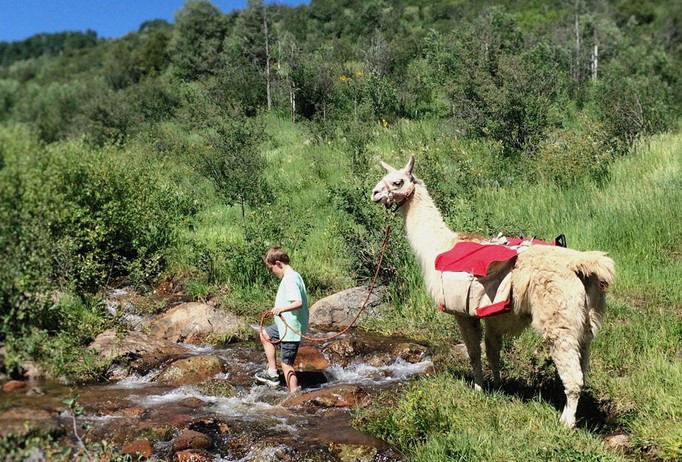
Source:https://cdn.5280.com
Picture this: You are halfway up a grueling 1,200-foot alpine ascent. Your thighs are screaming, your lower back is throbbing from the 40-pound beast of a backpack strapped to your spine, and you are seriously questioning every life choice that brought you to this altitude. Suddenly, a soft, humming sound echoes behind you. You turn around, and there is a creature with banana-shaped ears, long eyelashes that would make a supermodel jealous, and a look of absolute, serene nonchalance.
Meet your new hiking buddy.
For the past decade, I’ve trekked across various mountain ranges worldwide, dragging traditional backpacks through mud, snow, and shale. But the moment I tried hiking with llamas, my entire perspective on backcountry travel shifted. If you’ve ever wanted to explore the deep wilderness without the crushing physical toll of a heavy pack, llama trekking is the game-changer you didn’t know you needed.
Why Hiking with Llamas is the Ultimate Wilderness Hack
When people think of pack animals, they usually picture stubborn mules or massive horses. But llamas are the hidden gems of the trail. Think of a llama as the organic, eco-friendly all-terrain vehicle (ATV) of the mountains—minus the noisy engine and carbon emissions.
The Ultimate Weight Relievers
The most obvious perk of hiking with llamas is the liberation of your spine. A healthy, mature pack llama can comfortably carry 20% to 25% of its body weight. Weighing between 300 to 400 pounds, a single llama can easily transport 60 to 90 pounds of gear.
For a traditional hiker, this means your load drops from a grueling multi-day pack to a light, breezy daypack containing just your water, camera, and a rain jacket. The llama handles the heavy lifting—your four-season tents, sleeping pads, cast-iron skillets, and that extra bottle of wine you thought you couldn’t bring.
Gentle on the Earth (and Your Sleep)
As an avid outdoorsman, Leave No Trace (LNT) principles are sacred to me. This is where llamas truly outshine horses. Horses have heavy, iron-shod hooves that can tear up delicate alpine tundra and accelerate trail erosion.
Llamas, on the other hand, belong to the camelid family. They possess two-toed feet with soft, leathery pads underneath, similar to a dog’s paw. They glide over the terrain, leaving a footprint so minimal it barely disturbs the soil. Furthermore, their digestive system is incredibly efficient; their pellet-like droppings are virtually odorless and break down rapidly, making them highly eco-friendly trail companions.
Understanding Llama Etiquette: The Technical Side of the Trail
Before you head out into the backcountry, you need to understand the mechanics of working with these camelids. They aren’t pets you walk on a leash like a golden retriever; they are working livestock with distinct behaviors.
+--------------------------+---------------------------------------------------------+
| Llama Trait              | What It Means for the Hiker                             |
+--------------------------+---------------------------------------------------------+
| Two-Toed Soft Pads       | Low trail impact, excellent traction on granite slab.   |
| Modified Ruminant        | Forages on native weeds/grasses; no need to pack grain. |
| Communal Dung Piles      | Easy camp cleanup; protects water sources naturally.    |
| Low-pitched Humming      | Standard communication; signals curiosity or mild stress.|
+--------------------------+---------------------------------------------------------+
The Communication Breakdown
Llamas don’t bark or whinny; they communicate through a series of subtle ear movements, tail positions, and a distinct low-pitched hum. During my first expedition in the Wind River Range, my lead llama, Barnaby, started humming intensely. I initially thought he was enjoying the view, but our guide quickly corrected me: that hum meant he sensed something unusual. Sure enough, a quarter-mile up the trail, a moose was blocking our path. Llamas possess highly acute eyesight and hearing, often acting as an early-warning radar system for wildlife.
A Quick Myth-Buster: Will they spit at you? It’s the number one question I get. The short answer is: almost never. Llamas reserve spitting for internal hierarchy disputes within their herd (usually over food). A well-trained trail llama will not spit at a human unless severely mistreated or startled.
How to Handle a Llama on the Trail: A Beginner’s Guide
If you are new to hiking with llamas, your first trek will likely be with a commercial outfitter who provides a mandatory “Llama 101” orientation. Here is the technical breakdown of how to manage your companion.
Leading, Not Towing
When leading a llama, you hold a lead rope attached to a properly fitted halter. You never wrap the rope around your hand—if the llama trips or spooks, you need to be able to drop the rope instantly to avoid injury.
Maintain a loose slack of about 2 to 3 feet. Let the llama find its own footing. They are remarkably agile and possess an innate ability to choose the safest path through boulder fields and river crossings. If you try to micro-manage their steps, you’ll just end up in a frustrating tug-of-war.
Balancing the Panniers
The technical gear used to load a llama consists of a specialized pack saddle (often an adaptation of the traditional sawbuck saddle) and two side bags called panniers.
-
The Golden Rule of Llama Packing: The weight between the left and right panniers must be perfectly balanced within 0.5 pounds of each other.
-
If one side is heavier, the saddle will shift, causing painful sores on the llama’s spine and potentially causing the animal to lose balance on steep switchbacks. Always use a digital handheld fish scale to check the weight before setting off.
Pro-Tips for an Unforgettable Llama Trek
Over a decade of trail experience taught me these invaluable lessons the hard way:
-
Pro-Tip #1: Give Them Grazing Breaks. Llamas are browsers, not grazers like horses. They prefer high-protein weeds, dandelions, and huckleberry bushes. Allow them to snack periodically while you walk; it keeps their energy up and prevents them from stopping abruptly when they see a juicy bush.
-
Pro-Tip #2: Watch the Ear Position. A llama with its ears pointing forward or slightly upright is happy, curious, and relaxed. If the ears are pinned flat back against the neck, they are angry, frightened, or feeling defensive. Give them space and re-evaluate the situation.
-
Never tie a llama to a movable object, a dead tree, or your own body. If they spook, they can pull down heavy branches or drag you across rocky terrain. Always secure them to a sturdy, living tree or use a highline setup in camp using specialized tree-saver straps.
Ready to Redefine Your Mountain Adventures?
Hiking with llamas isn’t just about outsourcing your physical labor; it changes the entire rhythm of the journey. Without the crushing weight on your shoulders, you can actually look up, breathe in the crisp mountain air, and appreciate the geological wonders around you. You develop a unique bond with an ancient pack animal, navigating the wild spaces of the world together as a team.
Have you ever considered trading your heavy backpack for a pair of fuzzy, banana-shaped ears on the trail? Or maybe you’ve encountered these quirky creatures during your own mountain adventures? Drop your thoughts, questions, or stories in the comments below—I’d love to hear about your backcountry experiences!
Music as a Map: Cultural Journeys in Sound

Source:https://i.etsystatic.com
The air in the cramped, dimly lit basement in Seville’s Santa Cruz quarter was thick with the scent of aged sherry and tobacco. I watched a flamenco singer close his eyes, his face contorting in pure agony as a raw, gravelly lament tore from his throat. The acoustic guitar followed him, rapid-firing syncopated rhythms that felt like a localized earthquake. I didn’t understand a word of the Andalusian dialect, but the hairs on my arms stood up instantly; I was listening to the centuries-old pain, migration, and survival of the Romani people.
If your travel itineraries are built solely around tick-box monuments and Instagram-famous viewpoints, you are essentially viewing the world with the sound muted. A staggering number of travelers return from foreign destinations feeling they only scratched the surface, never truly connecting with the locals.
Over my past ten years as a global travel writer, I’ve discovered a profound truth: the quickest way to bypass the tourist bubble is to follow the soundscape. Designing your travels around cultural music journeys transforms a standard vacation into a multi-sensory masterclass in human history.
The Acoustic Landscape: Why Sound is the Ultimate Heritage Blueprint
To understand a destination’s sonic identity, you have to think like an ethnomusicologist. Music is not just entertainment; it is an oral archive.
Think of a region’s traditional rhythm like an ecosystem’s geological timeline. Just as layers of sediment reveal past volcanic eruptions and climate shifts, traditional song structures reveal trade routes, forced migrations, and cultural blendings. For instance, you cannot understand the complex polyrhythms of the Caribbean without mapping the dark history of the transatlantic slave trade.
When you embark on cultural music journeys, you are learning to read these sonic footprints. It is an exploration format that decodes a community’s soul through their instruments, scales, and communal dances.
Iconic Sonic Routes for the Intrepid Audio Traveler
While every corner of the globe hums with its own distinct frequency, a few regions offer deep, highly accessible entry points into traditional sonic heritage. These destinations are perfect for travelers ready to graduate from casual listeners to cultural explorers.
1. The Delta Blues and Jazz Highway, USA
Tracing the Mississippi River from New Orleans up to Chicago is the ultimate pilgrimage for anyone wanting to understand modern popular music.
-
The Blueprint: New Orleans is the birthplace of jazz, an explosive syncopated gumbo of African drum rhythms, European marching band horns, and Caribbean folk pulses. Head north into the Mississippi Delta, and the sound strips down to acoustic slide guitars and vocal call-and-response patterns.
-
My Insider Insight: Skip the hyper-commercialized, neon-soaked clubs on Bourbon Street. If you want the real, unvarnished history, head to the smaller juke joints in Clarksdale, Mississippi, or the local brass band second-lines in Tremé. That is where the music still serves its original purpose: communal healing.
2. The Gamlan Traditions of Bali and Java, Indonesia
The ceremonial bronze orchestras of Indonesia offer an entirely different acoustic philosophy, radically contrasting with Western musical systems.
-
The Experience: Sitting in an open-air pavilion (pendopo) while dozens of musicians strike bronze metallophones, gongs, and drums in intricate, interlocking patterns.
-
The Technical Concept: Gamelan music uses unique tuning systems like slendro (a five-tone scale) and pelog (a seven-tone scale). The hypnotic, cyclic structure isn’t designed to tell a linear story; it is mathematically constructed to mirror the Hindu-Buddhist concepts of cosmic time and spiritual balance.
3. The Gnawa Spiritual Rhythms of Essaouira, Morocco
On the Atlantic coast of Morocco, the ancient spiritual music of the Gnawa people provides a deeply hypnotic sonic immersion.
-
The Narrative: Blending sub-Saharan African Islamic spiritual songs and rhythms with Arabic melodies, Gnawa music relies on the heavy clanging of iron castanets (qraqeb) and the deep resonance of the three-stringed lute (guembri).
-
The Live Context: While the massive Gnaoua World Music Festival draws crowds every summer, the most profound way to experience it is through small communal gatherings known as lila, where the repetitive acoustic patterns are used to induce spiritual trances.
The Terminology of Sound: Speaking the Language of Music Travel
Before you pack your headphones and head out on your first audio-centric expedition, let’s break down the LSI keywords and technical terms you will encounter:
| Technical Term | What It Actually Means | Why It Matters to Your Travels |
| Ethnomusicology | The study of music within its cultural, social, and global contexts. | The foundational framework for understanding music as a living history. |
| Syncopation | A musical rhythm that stresses the weak or unexpected beats. | The rhythmic secret behind the infectious energy of jazz, reggae, and samba. |
| Oral Tradition | Cultural material, history, and art transmitted orally from one generation to another. | Explains why many ancient folk songs are never written down on sheet music. |
| Sonic Heritage | The preservation of intangible cultural assets through historical soundscapes and instruments. | Helps travelers appreciate endangered musical styles protected by UNESCO. |
💡 Pro-Tip: The “Concert Hall” Blunder
Many intermediate travelers think booking an expensive ticket at a state-sanctioned national concert hall is the best way to experience cultural music journeys. Often, it is the exact opposite. Formal stages tend to sanitize folk music for mass consumption. Look instead for community workshops, independent instrument makers, street festivals, or religious ceremonies where the music exists in its natural, functional habitat.
The Commercialization Trap
As music tourism grows, be wary of experiences labeled “Traditional Folk Show + Dinner Buffet.” Nine times out of ten, these are highly choreographed, Disneyfied spectacles designed for cruise ship crowds.
The performances are often stripped of their complex historical contexts, political resistance, or spiritual weight just to make them palatable for tourists. Look for independent local guides or community-led cultural initiatives that focus on education and preserve the raw, unedited roots of their sonic art.
How to Prepare for an Audio-Centric Cultural Journey
To maximize your appreciation for the world’s diverse musical ecosystems, follow this practical field checklist:
-
Study the History Before You Fly: Spend an hour researching the social history of your destination. Understanding the political struggles or religious migrations behind a genre completely changes how you perceive its emotional weight.
-
Invest in High-Quality Field Recording Gear: You don’t need clunky professional setups. A compact, high-quality directional microphone that plugs into your smartphone allows you to capture pristine audio clips of street musicians, rainforest soundscapes, or market chants for your travel journals.
-
Respect the Sacred Silence: In many global traditions, particularly indigenous ceremonies or monastic chanting, music is a prayer, not a performance. Always ask permission before recording, and put your camera away if it disrupts the spiritual environment.
Tuning In to the World
When we travel with our ears open, the world changes shape. Borders fade, and the shared human experience becomes beautifully obvious. Whether it’s the hypnotic loop of a Moroccan lute or the sharp, syncopated blast of a New Orleans horn, music maps the world in ways maps never could. It tells the true story of who we are, where we’ve been, and how we survived.
Over to You! What is the most mesmerizing local musical performance you’ve ever stumbled upon while exploring a new country? Are there any specific cultural music journeys currently sitting at the top of your travel bucket list? Drop your stories in the comments below—let’s talk music!
Rainforest Kingdoms: Tropical Wildlife Reserves Worth Visiting

Source:https://freedomdestinations.co.uk
You are crouching behind a massive buttress root, holding your breath as the humid, earth-scented air clings to your skin. Above you, the dense emerald canopy erupts into a chaotic symphony of screeching cicadas and bird calls. Suddenly, the branches snap, and a flashes of reddish-orange fur reveals an orangutan mother locked in a gaze with you from just twenty feet away.
If your idea of seeing animals involves staring through rusted iron bars or watching sanitized nature documentaries from the comfort of your couch, you are missing out on the true raw heartbeat of our planet. The sad truth is that over 100 species go extinct every single day due to habitat loss, making pristine ecosystems rarer than ever.
Over my ten years of hacking through dense jungles as a travel writer, I have learned that entering the world’s most pristine tropical wildlife reserves is the ultimate antidote to modern disconnection. But doing it right requires moving past the basic tourist brochures and understanding the delicate mechanics of these complex ecological kingdoms.
The Rainforest Layer Cake: Understanding the Jungle Blueprint
To the untrained eye, a tropical rainforest looks like a giant, disorganized wall of green broccoli. In reality, it is a highly structured, vertical ecosystem that functions exactly like a high-rise apartment building.
Think of the jungle as a four-story complex. The understory is the dark, damp ground floor where jaguars and tapirs roam. The canopy acts as the bustling penthouse suite, home to 90% of all rainforest organisms including colorful toucans, tree frogs, and monkeys.
When you visit premium tropical wildlife reserves, knowing which “floor” to look at during different times of the day is the secret to spotting elusive creatures rather than staring blankly at leaves.
Extraordinary Tropical Wildlife Reserves Worth the Expedition
While tropical forests encircle the globe, a few protected sanctuaries offer an exceptional balance of rich biodiversity, robust conservation infrastructure, and mind-blowing wildlife encounters perfect for intermediate adventurers.
1. Danum Valley Conservation Area, Borneo (Malaysia)
Tucked deep within the Malaysian state of Sabah, Danum Valley is a pristine 438-square-kilometer paradise of ancient, undisturbed dipterocarp forest.
-
The Biodiversity: This reserve is one of the last remaining strongholds for endangered Bornean orangutans, pygmy elephants, clouded leopards, and the spectacular rhinoceros hornbill.
-
My Personal Insight: Most travelers flock to rehabilitation centers where semi-wild animals are fed on platforms. Skip the crowded feeding shows and invest in a night safari at Danum. Walking through the jungle with a headlamp reveals a completely different world of glowing eyes, flying squirrels, and rare tarsiers that you will never see during daylight hours.
2. Corcovado National Park, Costa Rica
National Geographic famously called Corcovado “the most biologically intense place on Earth in terms of biodiversity.” It encompasses an incredible mix of old-growth wet forests and coastal ecosystems.
-
The Experience: Hiking through Corcovado is a sensory overload. You can realistically spot all four Costa Rican monkey species (capuchin, howler, spider, and squirrel monkeys) in a single afternoon, alongside scarlet macaws tracking the coastline.
-
The Technical Edge: The park relies heavily on low-impact ecotourism frameworks. Visitors must enter with a licensed park guide, keeping the human footprint minimal and ensuring the keystone species remain undisturbed.
3. Yasuní National Park, Ecuador
Located at the intersection of the Andes, the Equator, and the Amazon rainforest, Yasuní is arguably the most biodiverse square kilometer on the entire planet.
-
The Scale: A single hectare in Yasuní contains more tree species than the entire United States and Canada combined.
-
The LSI Advantage: Look for eco-lodges that feature massive steel canopy walkways. Standing 100 feet above the forest floor places you eye-to-eye with rare Amazonian birds, saki monkeys, and sloths that never descend to the ground.
Jungle Vocabulary: Speaking the Language of Conservation
Before embarking on your tropical expedition, mastering a few ecological and travel terms will help you understand the true value of the habitats you are exploring:
| Term | What It Actually Means | Why It Matters to Your Trip |
| Endemic Species | Animals or plants found exclusively in one specific geographic location. | Spotting these means you are seeing a creature found nowhere else on earth. |
| Primary Forest | Ancient, undisturbed woodland that has never been logged or cleared. | Offers the highest density of wildlife and massive, centuries-old trees. |
| Microclimate | A local atmospheric zone where the climate differs from the surrounding area. | Explains why a sudden valley or river bend can host entirely unique wildlife. |
| Ecotourism | Responsible travel to natural areas that conserves the environment and improves local well-being. | Ensures your permit fees directly fund anti-poaching patrols. |
💡 Pro-Tip: The “Bright Colors” Trap
Many travelers pack vibrant, neon outdoor gear for their jungle trips, thinking it looks great in photos. This is a massive mistake. Bright colors act as a visual alarm system for jungle wildlife, signaling danger and causing animals to retreat long before you spot them. Always pack neutral, earth-toned clothing (olive greens, tans, and dark greys) to blend seamlessly into the shadows of the understory.
The Dark Side of Wildlife Encounters
As you plan your journey through tropical wildlife reserves, you will undoubtedly run into local operators offering guaranteed up-close photos, animal handling, or baiting practices to lure creatures closer.
Avoid these operators at all costs. Baiting alters natural foraging behaviors, disrupts complex social structures, and makes wild animals dependent on humans. A truly ethical wildlife encounter requires patience; if a guide guarantees you will touch or hold a wild animal, you are participating in exploitation, not exploration.
A Practical Guide to Surviving and Thriving in the Tropics
Jungle environments are deeply rewarding, but they can be physically punishing if you are unprepared. Keep this battle-tested checklist handy:
-
Invest in High-Quality Leech Socks: If you are visiting primary rainforests in Southeast Asia during the wet season, these tightly woven cotton guards are non-negotiable for preventing tiny hitchhikers from ruining your hikes.
-
Pack Dry Bags for Electronics: The humidity in a tropical reserve can reach 99%, and sudden torrential downpours happen in seconds. Store your cameras, lenses, and phones in silicon dry bags with silica gel packets to absorb ambient moisture.
-
Embrace the Slow Pace: Unlike an African savannah safari where you cover miles in a jeep, rainforest tracking is done on foot at a slow, deliberate pace. Train your eyes to look for subtle movements—a shaking leaf, falling fruit casings, or a sudden break in a vine pattern.
The Call of the Wild
Stepping into a primary tropical reserve changes you. It strips away the digital noise of modern life and forces you to tune into an ancient, complex rhythm that has kept our planet breathing for millennia. By choosing responsible operators and visiting these fragile kingdoms ethically, you become an active partner in keeping these wild spaces alive.
Over to You! Which of these tropical kingdoms is calling your name for your next big adventure? If you have already explored a remote jungle, what was the most surprising animal you encountered? Share your stories and questions in the comments below—let’s get the conversation started!
Sacred Walls: Ancient Temples to Explore Around the World
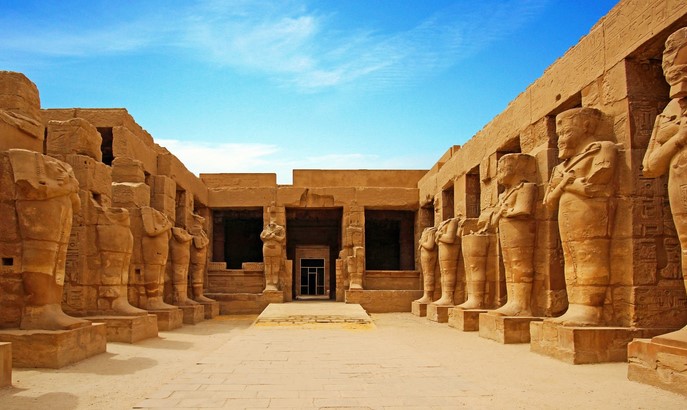
Source:https://cdn.mos.cms.futurecdn.net
You are standing in the pitch black at 4:30 AM, shivering in the humid tropical night, surrounded by the hushed whispers of thousands of strangers. Slowly, the sky bleeds from deep indigo to a bruised purple, revealing the iconic, lotus-bud silhouettes of a structure built nearly a thousand years ago. As the sun strikes the central towers, the ancient stones glow like molten copper.
If you have ever traveled halfway across the globe to see a legendary monument, only to find yourself jostled by selfie sticks and drowned out by megaphones, you know the ultimate travel frustration. We seek these places to connect with something ancient and profound, yet the modern tourism machine often leaves us feeling disconnected.
Over the past decade of exploring archaeological wonders across five continents, I have realized that visiting cultural ancient temples requires more than just buying a ticket. It demands a shift in perspective. To truly hear the stories locked inside these sacred walls, you need to understand the architectural genius, the spiritual blueprints, and the practical insider strategies that separate a frustrating tourist trap from a transcendent travel experience.
The Architectural Blueprint: More Than Just Stone
To the untrained eye, an old temple is simply a beautiful stack of weathered stones. But ancient architects did not build on a whim; they were constructing cosmic models.
Think of a sacred temple like a physical manifestation of an ancient encyclopedia. Every carving, alignment, and doorway was a deliberate line of code written to explain the universe, track the solar calendar, or bridge the gap between humans and the divine.
When you explore these structures, you are walking through living history books. The engineering methods used to build them—often without modern mortar or cranes—still baffle contemporary engineers. Understanding this hidden language transforms a simple walk into a fascinating historical detective hunt.
Phenomenal Cultural Ancient Temples Worth the Pilgrimage
While thousands of sacred ruins dot our planet, a few key complexes offer an unparalleled blend of historical depth, architectural brilliance, and cultural impact. If you are looking to dive deep into ancient history, these three legendary locations should be at the top of your travel itinerary.
1. Angkor Wat, Cambodia: The Cosmic Ocean in Stone
Angkor Wat is not just a single building; it is the largest religious monument in the world, spanning over 160 hectares. Built in the 12th century by the Khmer Empire, it represents the pinnacle of classical Khmer architecture.
-
The Technical Wonder: The entire complex is a physical replica of the Hindu universe. The central towers represent Mount Meru (the home of the gods), the outer walls represent the edge of the world, and the massive moat represents the cosmic ocean.
-
My Personal Insight: Most travelers follow the exact same route: sunrise at the front reflection pond, followed by a direct march into the central complex. Break the mold by entering through the lesser-known East Gate at dawn. You will experience the temple in near-total solitude as the jungle wakes up around you, completely avoiding the early morning bottlenecks.
2. Tikal, Guatemala: Skyscrapers of the Maya Jungle
Deep within the rainforests of Northern Guatemala lie the limestone ruins of Tikal, one of the most powerful kingdoms of the ancient Maya civilization, flourishing between 200 and 900 CE.
-
The Architecture: Unlike the sprawling horizontal footprints of Asian temples, the Maya built steep, vertical limestone pyramids that pierce through the dense jungle canopy like ancient stone skyscrapers.
-
The LSI Connection: Tikal is a masterclass in archaeoastronomy. The positioning of Temple I and Temple II was precisely calculated to align with the sun during the spring and autumn equinoxes, serving as a massive agricultural calendar for the Maya people.
3. The Hypostyle Halls of Luxor and Karnak, Egypt
Dating back over 3,000 years, the Karnak Temple Complex in Luxor is an overwhelming testament to the ambition of successive New Kingdom Pharaohs.
-
The Experience: Walking into the Great Hypostyle Hall is a humbling experience. You are surrounded by 134 massive sandstone columns, arranged in 16 rows, standing up to 21 meters high.
-
The Architectural Analogy: Think of a hypostyle hall as an ancient stone forest. The columns mimic giant papyrus stalks, creating a deliberate play of light and shadow that symbolised the primordial marsh from which the Egyptian gods created the world.
Terminology of the Sacred: Decoding Temple Anatomy
Before you jet off on your next archaeological expedition, learning a few architectural and structural terms will help you understand exactly what you are looking at:
| Technical Term | What It Represents | Why It Matters to Your Visit |
| Bas-Relief | Shallow, detailed carvings sculpted directly into a flat stone wall. | Tells the mythological and historical stories of the empire. |
| Lintel | A horizontal support beam spanning the opening between two vertical posts. | Often contains the most intricate and preserved decorative carvings. |
| Stela | An upright stone slab or pillar bearing inscriptions, relief designs, or flags. | Acts as an ancient monument or billboard recording historic royal decrees. |
| Sanctum Sanctorum | The “Holy of Holies”—the innermost holy chamber of a temple. | The spiritual focal point where the primary deity or relic was housed. |
💡 Pro-Tip: The “Midday Heat” Alternative
The vast majority of travel blogs will tell you to visit temples at the crack of dawn. While sunrise is beautiful for photography, it is also the most crowded time of day. If you want to explore the stones in quiet contemplation, head out during the absolute hottest hours of the day (between 12:00 PM and 2:30 PM). Bring plenty of water, wear a wide-brimmed hat, and you will find the crowds drop by up to 70% as tour buses head back to hotels for lunch.
The Destruction of Touch
It is an incredibly natural human instinct to want to run your hands along a beautifully carved, 1,000-year-old stone wall. However, this is one of the most damaging things a traveler can do.
Our hands carry natural oils, sweat, and acidic moisture. Multiply your single touch by millions of visitors per year, and those ancient details quickly erode, turning intricate historical records into smooth, featureless rock. Keep your hands to yourself, stay behind the designated protective barriers, and help preserve these incredible cultural ancient temples for future generations to admire.
How to Respectfully Plan Your Temple Exploration
To ensure your journey into ancient history is smooth, rewarding, and culturally respectful, keep this practical checklist in mind:
-
Follow the Local Dress Code: These sites are ancient ruins, but to the local communities, they remain deeply sacred active places of worship. Always cover your shoulders and knees. Carrying a lightweight sarong in your daypack is a lifesaver.
-
Hire an On-Site, Licensed Guide: Skip the generic audio apps. Hiring a local guide at the gate provides direct economic support to the community and gives you access to personal anecdotes and hidden architectural secrets you won’t find on a Google search.
-
Look Beyond the Main Structure: The grand central towers get all the fame, but the smaller, outlying libraries, overgrown courtyards, and crumbling boundary walls often hold the most atmospheric charm and quiet beauty.
The Lasting Echo of the Stones
Ultimately, visiting an ancient temple is a lesson in humility. These structures have outlived empires, survived wars, and weathered centuries of shifting climates. Standing within their walls reminds us of the incredible creativity, resilience, and spiritual ambition of the human spirits that came before us.
Over to You! Which ancient temple around the world has left the biggest impression on you, or which iconic ruins are you dying to explore next? Let me know your thoughts and travel plans in the comments below—let’s swap stories!
Flavor & Culture: Foodie Tours that Tell Stories

Source:https://img.jakpost.net
I once sat on a tiny plastic stool in a buzzing back alley of Hanoi, smoke from charcoal grills stinging my eyes, while an elderly woman handed me a bowl of bun cha. I didn’t speak a word of Vietnamese, and she didn’t speak English. Yet, as she gestured wildly to show me the exact ratio of herbs to dip into the broth, a century of culinary history and resilience passed between us without a single syllable spoken.
If your travel memories consist mostly of generic hotel buffets and standing in four-hour lines just to take a blurry selfie in front of a monument, you are missing the heartbeat of the places you visit. Statistics show that over 70% of modern travelers prioritize experiencing local food, yet most wind up falling into tourist traps that serve whitewashed, uninspired meals.
After a decade of eating my way across sixty countries, I’ve realized that the plate is the ultimate textbook. The best way to decode a new city isn’t by reading a plaque—it’s by booking immersive foodie cultural tours that treat food as a narrative, not just fuel.
Why Food is the Ultimate Cultural Time Machine
Think of a traditional dish as a culinary time capsule. Just like layers of rock tell a geologist about the Earth’s history, the ingredients in a local stew tell you about ancient trade routes, colonial occupations, and economic hardships.
When you join high-quality foodie cultural tours, you aren’t just paying for a tasting menu; you are paying for a translator of that history. For example, why does Malaysian cuisine feature a mind-bending mix of Chinese, Indian, and Malay flavors? Because the Malacca Strait was the highway of the spice trade.
Food is the edible architecture of human migration. A great culinary guide acts as the architect who shows you how the pieces fit together.
The Anatomy of an Authentic Food Tour
Not all culinary experiences are created equal. As the travel industry has boomed, the market has become flooded with generic walks that simply take you to five different restaurants for a quick bite. To get the most out of your journey, you need to understand what separates the average commercial walk from deeply enriching foodie cultural tours.
The Hyper-Local Ingredient
The best tours don’t take you to air-conditioned tourist hubs. They drag you into the chaotic wet markets where grandmother vendors are arguing over the freshness of lemongrass. They introduce you to artisanal purveyors who have been fermenting fish sauce or curing ham for three generations.
Context Over Calories
An elite tour focusing on gastronomy focuses heavily on storytelling. You should leave the experience understanding why a community eats what it eats, how geography shaped their palate, and how food connects to their spiritual or social rituals.
Legendary Culinary Journeys Worth Traveling For
Over my ten years on the road, a few specific regions have mastered the art of storytelling through gastronomy. If you want to dive headfirst into this style of travel, these are the gold standards.
1. The Night Markets of Taipei, Taiwan
Taiwanese food is an intricate tapestry of indigenous flavors, Chinese migratory waves, and Japanese colonial influences.
-
The Experience: Navigating the neon-drenched labyrinth of Ningxia or Raohe night markets. A proper cultural guide will bypass the standard fried chicken and lead you straight to gua bao (pork belly bao) or herbal mutton soups, explaining how Taiwan’s agricultural history shaped its street-food identity.
-
The Technical Insight: This is a masterclass in Xiaochi (literally “small eats”). The culture revolves around grazing rather than heavy dining, allowing you to sample a vast spectrum of textures—like the highly prized Q-texture (a specific bouncy, chewy mouthfeel unique to Taiwanese cuisine).
2. The Oaxacan Culinary Matrix, Mexico
Oaxaca is the undisputed spiritual heart of Mexican gastronomy, recognized by UNESCO for its intangible cultural heritage.
-
The Experience: Moving beyond standard tacos to explore the complex world of moles—intricate sauces made from dozens of ingredients, including toasted chilis, chocolate, and wild herbs.
-
The LSI Connection: Exceptional tours here will introduce you to pre-Hispanic cooking techniques, such as using a metate (lava stone grinding slab) or tasting traditional mezcal varieties paired with tlayudas.
3. The Izakaya and Depachika Subcultures of Tokyo, Japan
Japan’s food scene is as much about etiquette and philosophy as it is about taste.
-
The Experience: Diving into the basement food halls (depachika) of luxury department stores, followed by a nocturnal crawl through the smoke-filled alleyways of Omoide Yokocho for yakitori.
-
The Narrative: You learn the unspoken rules of the shokunin (master craftsman) spirit, understanding why a chef might spend fifty years perfecting nothing but sushi rice.
Gastronomy Lingo: Talk Like a Culinary Traveler
Before you set out, familiarize yourself with these common terms used in the food travel industry to ensure you choose the right experience:
| Term | Technical Meaning | What It Means For Your Tour |
| Culinary Heritage | The shared history, practices, and ingredients that define a region’s food culture. | Expect historical context, not just trendy modern dishes. |
| Slow Food Movement | An alternative to fast food that strives to preserve traditional and regional cuisine. | Focuses on farm-to-table dining, local sourcing, and sustainability. |
| Terroir | How a region’s climate, soils, and aspect affect the flavor of its agricultural products. | Crucial for wine, cheese, coffee, and olive oil tastings. |
| Street Food Sovereignty | The cultural right and economic practice of maintaining local street food traditions. | Safeguards authentic, affordable family recipes passed down generations. |
💡 Pro-Tip: The “Empty Belly” Fallacy
Many beginners make the mistake of starving themselves all day before evening foodie cultural tours. Don’t do this! If your blood sugar crashes before the tour begins, your palate becomes dulled, and you will wolf down the first carbohydrate insight blindly just to satisfy your hunger. Instead, eat a light, clean breakfast and lunch, keeping your digestive system active and ready for a multi-hour tasting marathon.
The “Authenticity” Trap
Be incredibly wary of tours that market themselves heavily around the word “authentic.” Authenticity is a moving target. A culture’s food isn’t a static museum piece; it evolves.
Sometimes, the most authentic modern story a city can tell is how immigrants have adapted their traditional recipes using local ingredients found in their new home—like British-Indian Tikka Masala or American-Vietnamese Crawfish Pho. Look for tours that celebrate this living, breathing evolution rather than those that promise a staged, performative version of the past.
How to Choose Your Perfect Culinary Experience
If you are ready to book your first deep-dive food tour, use this quick checklist to vet your tour operators:
-
Check the Group Size: Never book a food walk with more than 8–10 people. Large crowds disrupt local vendors, ruin the intimate storytelling environment, and cause the food to get cold before everyone gets a plate.
-
Look for Guide Profiles: Ensure the company hires local historians, food journalists, or former chefs. You want a guide who lives the culture, not a university student reading from a scripted corporate handbook.
-
Dietary Flexibility: A professional outfit will always ask about your allergies or restrictions beforehand and provide thoughtful, culturally accurate alternatives rather than just omitting the food entirely.
Ready to Taste the Story?
Food is the great equalizer. It breaks down barriers, opens doors to hidden neighborhoods, and turns complete strangers into fast friends over the course of a single shared meal. The next time you pack your bags, challenge yourself to look past the standard sightseeing itineraries and let your taste buds lead the way.
Over to You! What is the most memorable, unusual, or life-changing dish you have ever encountered while traveling? Are you planning to join any foodie cultural tours on your next vacation? Tell me your stories in the comments below—let’s talk food!
Above the Ice: Glacier Helicopter Tours Worth Experiencing
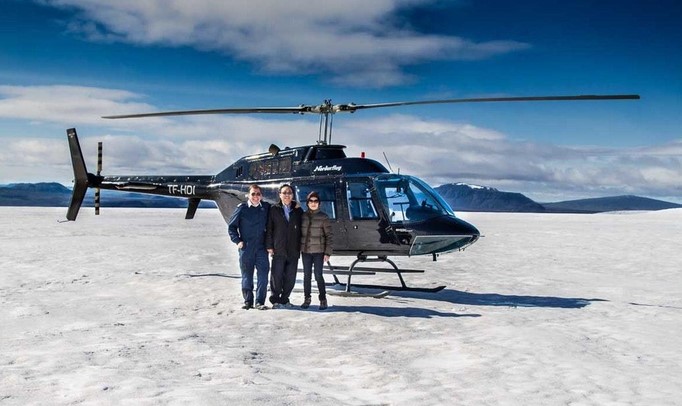
Source:https://viajesislandia.com
The engine whines to life, a low mechanical rumble that vibrates straight through the soles of your boots. Within seconds, the ground drops away, and the familiar green valleys of the world below dissolve into an intimidating, blindingly white expanse of ancient ice.
If you have ever stared up at a mountain peak from the safety of a tourist viewpoint and felt a pang of FOMO, you are not alone. For years, I felt the same way. The most breathtaking, untouched landscapes on our planet are often locked behind grueling multi-day mountaineering expeditions. But over a decade of scouting the globe as a travel writer has taught me that there is a spectacular shortcut: glacier helicopter tours.
Skipping the five-day trek and landing directly on a dynamic, moving river of ice is the ultimate bucket-list upgrade. However, with price tags that can make your wallet winced, you don’t want to fly blind.
Here is everything I have learned from my time in the air, designed to help you choose an experience that is truly worth every single cent.
Why Glacier Helicopter Tours Are Unlike Any Other Flight
To the uninitiated, a helicopter ride is just a helicopter ride. But flying over glaciated terrain is an entirely different beast. It is less like a standard flight and more like entering a massive, open-air cathedral made of frozen time.
Think of a glacier like a massive, ultra-slow-motion conveyor belt of ice. From the ground, it looks static. From a chopper, you can see the immense structural chaos: the deep crevasses, the glowing blue icefalls, and the meltwater streams carving turquoise veins across the white surface.
The Magic of the “Heli-Landing”
If you are booking a flight, always ensure it includes a landing. Seeing a glacier from the air is beautiful, but stepping out onto it? That is where the magic happens.
The moment the pilot cuts the engine and you step onto the crunching surface, a profound silence hits you. You are standing on water that froze centuries ago, far away from civilization, surrounded by peaks that few humans will ever touch.
The World’s Ultimate Glacier Helicopter Tours
Having logged flight hours across multiple continents, a few specific destinations stand out as absolute pinnacles for glacier helicopter tours. If you are planning your next big adventure, these are the regions that deliver the highest ROI on your adrenaline investment.
1. Franz Josef and Fox Glacier, New Zealand
Nestled on the West Coast of the South Island, these glaciers are absolute anomalies. They descend from the Southern Alps into temperate rainforests, creating a striking contrast of vivid green foliage against stark white ice.
-
The Experience: New Zealand is famous for its “Heli-Hike” packages. You don’t just land for a quick photo op; you gear up with talons (crampons) and spend two to three hours trekking through ice caves and towering pinnacles.
-
My Insider Insight: The weather here is notoriously fickle. The Tasman Sea throws unpredictable fronts at the mountains constantly. Book this for your very first day in the region, so you have buffer days if the weather forces a cancellation.
2. Juneau and Denali, Alaska
Alaska is the undisputed heavyweight champion of wilderness aviation. The sheer scale of the icefields here makes other mountain ranges look like backyard hills.
-
The Experience: Tours out of Juneau frequently land on the Mendenhall Glacier. If you go further north to Denali, some operators will land you on the Ruth Glacier, right inside the Great Gorge—a chasm deeper than the Grand Canyon.
-
The LSI Advantage: Look for tours offering glacier dog sledding. Combining a flight with a visit to a remote musher camp on the snowfields is an unforgettable, multi-layered adventure.
3. Interlaken and Zermatt, Switzerland
If you prefer your rugged wilderness paired with high-end European hospitality, the Swiss Alps are unparalleled.
-
The Experience: Flying past the iconic north face of the Eiger or circling the Matterhorn before landing on the Aletsch Glacier—the largest glacier in the Alps—is a masterclass in scenic beauty.
-
The Vibe: It’s incredibly civilized. You can be standing on a pristine high-alpine snowfield at noon, and sipping an espresso in a cobblestone village by 2:00 PM.
The Tech & Terrain: Speaking the Language of the Skies
Before you hand over your credit card, it helps to understand a little bit of the technical side. Knowing the lingo ensures you know exactly what you are paying for when browsing tour operators.
| Term | What It Actually Means | Why It Matters to You |
| Heli-Hike | A flight combined with a guided trek on the ice using specialized gear. | Best for active travelers who want to explore ice caves. |
| Snow Landing | A brief stop (usually 15-20 minutes) on the upper snowfields. | Ideal for photography and those with limited mobility. |
| Crevasse | A deep, structural crack in the glacier ice caused by movement. | Fascinating to see from above, dangerous to walk near without a guide. |
| Meltwater Stream | Channels of brilliant blue water running along the glacier surface. | Creates the signature “neon blue” photos you see online. |
The “Blue Ice” Myth
Many operators feature photos of blindingly neon-blue ice caves. While these caves are real, they are highly dynamic structures that change, collapse, and reform constantly. Never book a tour based solely on a photo of a specific cave. The guides will only take you where it is structurally safe, and the exact features alter from week to week.
Pro-Tips for Your First Glacier Flight
Over the years, I have seen plenty of well-meaning travelers accidentally ruin their own expensive flights due to easily preventable mistakes. Here is how to avoid the common pitfalls:
-
Dress Like an Onion (Layers are Key): The temperature valleyside might be a comfortable 20°C, but once you ascend thousands of feet and step onto a massive block of ice, the wind chill will bite. Wear a windproof outer shell, a thermal mid-layer, and sturdy, waterproof boots.
-
Ditch the Polarized Sunglasses: This is a big one! Polarized lenses are great for reducing glare, but they can distort the screens of your camera or phone, and occasionally make the unique contours of the ice hard to read through the helicopter windows. Opt for standard UV-protection lenses instead.
-
Manage Your Weight Expectations: Helicopters operate on strict weight and balance calculations. Don’t be offended when the operator asks for your exact weight during booking. They aren’t judging you; they are ensuring the aircraft can safely hover at high altitudes. You will be assigned seats based on physics, not personal preference.
Final Thoughts: Is It Worth the Splurge?
Let’s be completely candid: glacier helicopter tours are premium travel experiences that require a significant financial investment.
However, looking down into the radiant blue heart of a crevasse, feeling the crisp, ancient air fill your lungs, and watching the shadows of the rotors dance across a landscape shaped by the Ice Age is a perspective shift that stays with you forever. It is one of the few travel experiences that consistently exceeds the hype.
If you are saving up for one major excursion on your next trip to the mountains, make it this one. You won’t regret it.
Over to You!
Have you ever flown in a helicopter before, or is a glacier landing still sitting right at the top of your bucket list? If you’re planning a trip and trying to choose between different operators, drop your questions in the comments below—I’d love to help you map out your next high-altitude adventure!