


Camp on Ice: Glacier Camping Expeditions for Adventurers
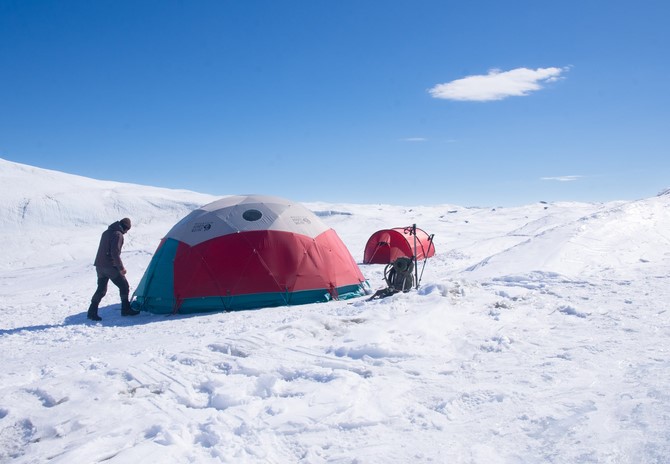
Source:https://guidetogreenland.com
It is 2:00 AM in the middle of a vast Alaskan icefield. You wake up to a deep, muffled groan resonating through the frozen ground directly under your head—a thousand tons of ice shifting a few centimeters downhill. Instead of panicking, you reach out of your four-season tent, unfasten the frost-covered rainfly, and look up to see a brilliant sea of stars or the dancing ribbons of the Northern Lights reflected off a pristine white plain.
Over my ten years of guiding cold-weather expeditions from the Patagonian Ice Cap to the high-altitude glaciers of the Himalayas, I have learned that sleeping on a glacier is the ultimate wilderness reset. While many people have taken day trips across ice tongues, very few have spent a night suspended above hundreds of feet of ancient ice. Joining dedicated glacier camping tours is not an extreme survival stunt for elite mountaineers; it is a carefully calculated, deeply rewarding adventure that anyone with decent fitness and the right technical preparation can accomplish.
What Does Camping on Ice Actually Feel Like? (The Giant Freezer Analogy)
To understand how to stay warm and safe when pitching a tent on a moving glacier, forget standard summer camping rules. Think of pitching your tent on glacial ice like setting up a bedroom inside a giant, active commercial walk-in freezer:
-
Standard Alpine Ground (Cold Concrete Floor): The dirt or rock beneath your tent may be cold, but it holds static thermal mass and stays still throughout the night.
-
Active Glacial Ice (The Walk-in Freezer Slab): The ground under you is a continuous thermal heat sink at 0°C (32°F) or colder, constantly sucking warmth out of your body through conduction while slowly shifting, melting, or creaking underneath.
When you book structured glacier camping tours, your gear setup and campsite selection are engineered to build an impenetrable thermal barrier between your body and millions of tons of solid ice.
Technical Elements of Glacier Campsite Management & Thermal Logistics
Pitching a tent on frozen water requires specialized equipment, structural anchoring techniques, and a strict understanding of sub-zero thermodynamics.
+-----------------------------------------------------------------------+
|                    GLACIAL CAMPSITE MICROCLIMATE                      |
+-----------------------------------+-----------------------------------+
                                    |
          +-------------------------+-------------------------+
          |                                                   |
          v                                                   v
+-------------------+                               +-------------------+
| Conductive Heat   |                               | Structural Anchors|
| Loss (R-Value)    |                               | (Deadman Snow Pickets)|
+-------------------+                               +-------------------+
          |                                                   |
          +-------------------------+-------------------------+
                                    |
                                    v
+-----------------------------------------------------------------------+
|                 TACTICAL GLACIER CAMPING STRATEGY                     |
|  (Closed-Cell + Inflatable Pads, Four-Season Tents, White-out GPS)    |
+-----------------------------------------------------------------------+
1. Conductive Isolation and Combined R-Values
Sleeping on ice drains body heat primarily through conduction. To prevent hypothermia, your sleeping pad system needs a cumulative R-value of 5.0 or higher. Experienced guides use a dual-pad system: a closed-cell foam pad (like a Therm-a-Rest Z Lite) laid directly on the ice, topped with an insulated inflatable sleeping pad.
2. Deadman Anchoring Systems
Standard tent stakes are useless on hard glacier ice or loose snowpack. Camping on ice relies on “deadman” anchors—burying snow pickets, ice screws, skis, or snow-filled stuff sacks horizontally 30 to 50 centimeters deep into the snowpack, stamping them down, and letting the ice freeze them solid.
3. Snow Wall Construction and Katabatic Winds
Cold air is dense and heavy, flowing down glacial valleys at night as high-velocity katabatic winds. Building a 1-meter high snow brick wall on the windward side of your tent deflects these freezing gales, protecting your tent poles from snapping under extreme wind loads.
Comparing Premier Glacier Camping Expeditions Worldwide
Selecting the ideal glacier expedition depends on your physical conditioning, cold tolerance, and desired level of remoteness.
| Expedition Region & Country | Terrain & Environment | Key Highlights | Difficulty Level | Recommended Season |
| Ruth Glacier, Alaska (USA) | Deep amphitheater, granite walls, massive icepack | Ski plane drop-in, views of Mount Denali | Intermediate | April to June |
| Skaftafell / Vatnajökull (Iceland) | Volcanic ash layers, vast ice cap, ice caves | Northern lights potential, glacial lagoons | Beginner to Intermediate | November to March |
| Southern Patagonian Ice Field (Chile/Argentina) | Windswept ice sheets, jagged spires | Remote wilderness, dramatic weather shifts | Intermediate to Advanced | November to March |
| Everest Base Camp / Khumbu Glacier (Nepal) | High-altitude debris-covered glacier | High-altitude exposure, iconic Sherpa culture | Intermediate | March to May / Sept to Nov |
Expert Advice: Pro Tips and Hidden Pitfalls from the Ice
A decade spent sleeping on frozen terrain across the globe has taught me operational tricks that go far beyond standard equipment manuals:
Pro Tip: Use a Hot Water Nalgene as a Camp HeaterBefore crawling into your zero-degree sleeping bag, boil a liter of water on your liquid-fuel stove. Pour the boiling water into a hard plastic Nalgene bottle, double-check that the cap is screwed on tightly, wrap it in a spare wool sock, and slide it to the bottom of your sleeping bag. It acts as a personal furnace that radiates heat for up to six hours.
Hidden Pitfall: The Danger of Internal Tent CondensationBreathing inside a sealed tent releases roughly half a liter of moisture per person overnight. In sub-zero temperatures, this water vapor freezes instantly on the inner tent walls, turning into a fine frost. If you bump the tent ceiling in the morning, a freezing snowstorm rains down on your dry down sleeping bag. Always keep your tent vents partially open to allow moisture to escape.
Step-by-Step Glacier Camping Preparation Checklist
Follow this field-tested roadmap before setting up camp on an active glacier:
Step 1: Reserve Certified Glacier Expedition Guides & Check Weather
   │
   ▼
Step 2: Assemble Dual Sleeping Pad System (R-Value 5.0+) & 4-Season Tent
   │
   ▼
Step 3: Probe Campsite Area for Hidden Crevasses & Build Snow Walls
   │
   ▼
Step 4: Set Deadman Anchors & Melt Glacial Snow for Hydration
-
Probe the Campsite Area First: Before pitching a single tent, the guide team uses long aluminum avalanche probes to check the snowpack in a 20-meter radius around the campsite, ensuring you aren’t setting up camp over a hidden crevasse.
-
Pack Liquid Fuel Stoves: Standard canister stoves (isobutane/propane) lose pressure and fail rapidly in sub-zero temperatures. Always use white-gas liquid fuel stoves, which can be manually pressurized and operate reliably in extreme cold to melt snow for drinking water.
-
Keep Boots Inside Your Sleeping Bag: Never leave your mountaineering boot liners or inner boots outside your sleeping bag overnight. If you leave them in the tent vestibule, they will freeze into solid blocks of ice by morning, making them nearly impossible to put on without risking frostbite.
-
Maintain Strict Trash Containment: Glaciers preserve everything left behind. All human waste and trash must be packed out using specialized waste containment systems (like Cleanwaste bags) to keep these delicate environments pristine.
The Silent Magic of the Frozen Night
Camping on a glacier requires more gear, careful preparation, and technical respect than standard backcountry trips, but the payoff is unlike anything else on Earth. Standing outside your tent in absolute silence, surrounded by towering icy peaks with no city lights for hundreds of miles, gives you a profound sense of peace and connection with the natural world. By booking professional glacier camping tours, gearing up with high R-value insulation, and respecting the environment, you can safely experience the magic of a night on the ice.
Would you ever spend a night sleeping on an active glacier, or is a day hike more your style? Which frozen wilderness is at the top of your adventure bucket list? Share your thoughts, personal experiences, or gear questions in the comments below—let’s keep the conversation going!