


Category Archives: Cruise Travel
Around the Globe: Cruise Adventures That Redefine Travel
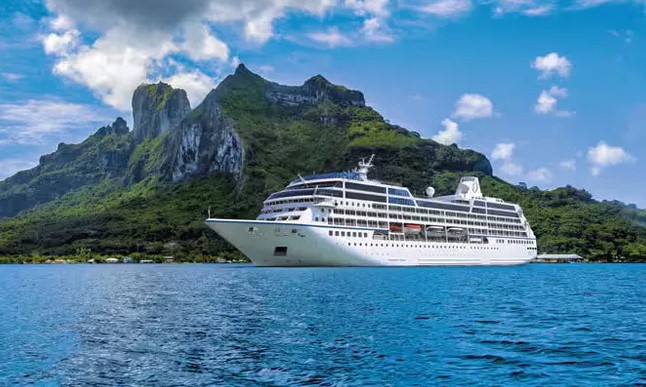
Source:https://www.cruisedirect.com
Picture this: You unpack your bags just once, settle into your stateroom, and wake up three days later looking out at the dramatic fjords of Norway. Two weeks after that, you’re sipping fresh espresso overlooking the sun-drenched coast of Southern Italy, followed by an evening transit through the engineering marvel of the Suez Canal. No chaotic airport security lines, no daily luggage repacking, and zero stress over connecting flights.
For decades, many travelers brushed off the idea of a long-haul voyage as something reserved solely for retirees playing shuffleboard on deck. But after over a decade of testing maritime routes across seven seas, I can tell you that modern ocean voyages have underwent a massive quiet revolution. Embarking on a long-term cruise around the world is no longer just a passive vacation—it is one of the most logistically seamless ways to experience global geography, ancient maritime trade routes, and diverse cultures in a single journey.
In this deep-dive guide, I’ll share my first-hand observations, technical insights, and field-tested frameworks to help beginners and intermediate travelers navigate the world of long-haul ocean cruising.
The Technical Anatomy of Modern Long-Haul Cruising
To truly appreciate a global cruise itinerary, it helps to understand how these massive maritime eco-systems operate beneath the surface.
Think of a modern cruise vessel like a self-sustaining floating city state engineered for endurance: it generates its own fresh water through reverse osmosis, processes waste through advanced marine purification systems, and uses sophisticated hydrodynamics to stabilize your journey across open ocean basins.
+-------------------------------------------------------------------------+
|                  THE LONG-HAUL MARITIME ECOSYSTEM                       |
|                                                                         |
|  [ Propulsion & Hydrodynamics ]                                         |
|   └── Azipod propulsion systems + Dynamic anti-roll stabilizers        |
|                                                                         |
|  [ Environmental & Utility Infrastructure ]                             |
|   └── Reverse Osmosis desalination + Scrubber emissions filtration      |
|                                                                         |
|  [ Operational Logistics ]                                              |
|   └── Strategic port provisioning + Sea-day navigational staging        |
+-------------------------------------------------------------------------+
Key Technical Aspects Every Cruiser Should Know
During my months spent at sea, I’ve had the chance to tour bridge decks and engine control rooms with senior officers. Here are the technical parameters that define a smooth world voyage:
-
Gross Tonnage (GT) vs. Passenger Ratio: Gross tonnage measures a ship’s internal volume, not its weight. Dividing GT by passenger capacity gives you the Space Ratio. A ratio above 45 means generous public space and far fewer crowded hallways.
-
Dynamic Stabilization Systems: Modern ships deploy computer-controlled gyroscopic fins beneath the waterline. These fins adjust dynamically against wave pressure, reducing ship roll by up to 85% during open-ocean sea days.
-
Azipod Propulsion Units: Unlike traditional fixed shaft propellers, Azipods rotate 360 degrees. This provides pinpoint maneuverability into tight historical ports without relying heavily on tugboats.
-
Port-to-Sea Ratios: The best world itineraries maintain a balanced cadence—typically two days in port followed by one or two sea days. This pacing prevents “destination fatigue” and gives your mind time to process new cultures.
Defining Your Journey: Expedition Ships vs. Mega-Liners
Choosing the right vessel type is the single most critical decision you will make when planning a cruise around the world. The experience differs dramatically based on hull design and passenger capacity.
| Feature / Metric | Ocean Mega-Liners (2,500+ Guests) | Expedition & Mid-Sized Ships (200–900 Guests) |
| Draft & Docking Capabilities | Deep draft; must use tender boats for smaller ports | Shallow draft; docks directly in historic downtown piers |
| Onboard Entertainment | Broadway-style shows, ice rinks, major spa complexes | Enrichment lectures by marine biologists & historians |
| Sea Keepability | Exceptional stability in heavy open ocean swells | Highly maneuverable in narrow passages and ice fields |
| Port Stay Duration | Typically 8–10 hours per port call | Often includes overnight dockings and multi-day stays |
The Logistics Blueprint: How to Prepare for Long-Term Sea Life
Planning a extended multi-month voyage requires a shift in your packing and mental framework. Here is how I structure my preparation for extended ocean routes.
1. Stateroom Selection Strategy
Your room is your sanctuary for weeks or months at a time.
-
Mid-ship, Lower Deck: The mathematical center of gravity for the ship. If you are prone to seasickness, book a cabin on a lower deck in the middle of the vessel where pitch and roll are minimal.
-
Balcony Considerations: On long transoceanic crossings (like Atlantic or Pacific legs), a private balcony provides essential fresh air and private outdoor space away from busy public decks.
2. Navigating Sea Days Productively
Beginners often worry about boredom during consecutive days at sea. In reality, sea days act as a natural mental reset. Use them to attend cultural lectures, catch up on reading, establish a daily fitness routine, or simply watch the endless horizon.
+-------------------------------------------------------------------------+
|                    TYPICAL SEA-DAY ROUTINE CYCLE                        |
|                                                                         |
|  07:30 - 08:30 | Sunrise Walk on Promenade Deck (Low-impact workout)    |
|  09:30 - 11:00 | Maritime History or Regional Culture Lecture           |
|  12:30 - 14:00 | Unhurried Deckside Lunch & Hydrotherapy Session        |
|  15:00 - 17:00 | Reading, Writing, or Navigation Port Briefing          |
|  19:30 - 22:00 | Captain's Dinner & Evening Acoustic Performances       |
+-------------------------------------------------------------------------+
Expert Advice: Tips Pro & Hidden Pitfalls
Navigating long-term ocean voyages comes with specific maritime realities. Keep these practical guidelines in mind before placing your deposit.
Pro Tips for Long-Haul Cruisers
-
Book Independent Port Excursions early: Resorting solely to cruise line shore excursions can leave you moving in slow-moving bus groups of 50 people. Research reputable local operators or hire private drivers in major ports to get deeper, private cultural access at lower costs.
-
Leverage Onboard Medical & Prescription Planning: If you are embarking on a multi-month journey, ensure your prescriptions are filled for the entire duration plus a 30-day buffer. Ship medical centers stock basic medications, but specialized pharmaceuticals can be difficult to source in remote ports.
-
Utilize Self-Service Laundry Logistics: Verify if your ship offers self-service laundry rooms on cabin decks. Relying entirely on daily hotel laundry service for months at a time gets extremely expensive; access to washers and dryers lets you pack for 10 days even on a 90-day trip.
Hidden Pitfalls to Avoid
Warning: Never rely solely on satellite Wi-Fi for critical, time-sensitive work while crossing open ocean basins. While modern low-Earth-orbit satellite networks (like Starlink) have vastly improved connection speeds, ocean storms and geographical dead zones can still cause temporary outages.
-
Ignoring Visa and Immigration Protocols: Even though cruise line purser desks manage general manifest clearance, certain countries require individual physical visas stamped prior to arrival. Always verify visa requirements based on your passport nationality for every country on the itinerary.
-
Over-Packing Formal Wear: Many modern luxury lines have relaxed traditional dress codes. Instead of packing multiple heavy tuxedos or evening gowns, opt for versatile, lightweight smart-casual attire that can be layered easily.
-
Forgetting Currency Micro-Details: While onboard spending is charged to your cabin account via credit card, small local markets in port towns rarely accept foreign credit cards or large bills. Always keep a small stash of local currency or widely accepted small-denomination USD/Euros for port days.
Final Thoughts: The Horizon Awaits
A journey around the planet by ocean remains one of the ultimate achievements in travel. Choosing a cruise around the world allows you to trade the frantic pace of modern transport for the timeless rhythm of the sea.
From watching sunrise over ancient harbor forts to forming deep connections with fellow ocean travelers, long-haul cruising reminds us that the journey itself is just as transformative as the destinations along the way.
What Is Your Ultimate Sea Route?
Are you dreaming of crossing the vast Pacific to tropical islands, or does a coast-hopping route around the Mediterranean and Asia sound like your ideal adventure? Drop a comment below with your favorite maritime destination or ask any questions about long-haul cruising—I’d love to help you map out your journey!