


Category Archives: Student Travel
Youth and Culture: Student Trips That Broaden Horizons
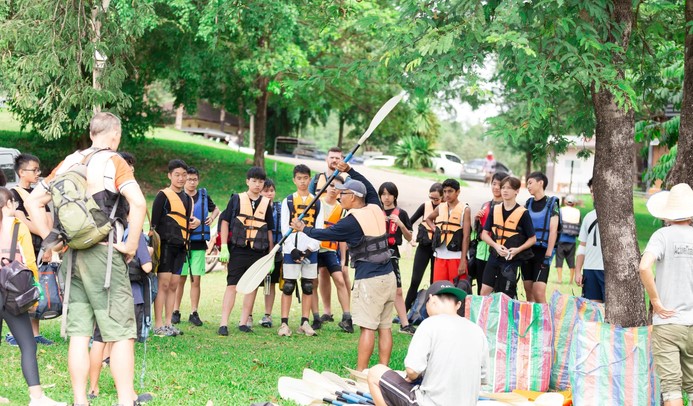
Source:https://studenttravelthailand.com
Imagine stepping off an overnight train into a misty morning in Kyoto or stepping onto the cobblestones of Prague as the city wakes up. You aren’t just holding a passport; you are holding a key to a world that textbooks can only describe in flat monochrome. Yet, according to educational travel studies, over 70% of young travelers feel overwhelmed by their first independent cultural journey, defaulting to familiar fast-food chains and tourist bubbles instead of genuinely connecting with the soul of a destination.
The Neuro-Architecture of Youth Travel: Why Experiential Immersion Works
+-------------------------------------------------------------------------+
|                    THE CULTURAL IMMERSION SPECTRUM                      |
|                                                                         |
|  [ Surface Tourism ]                                                    |
|   ├── Bus tours, fast-food reliance, English-only bubbles               |
|   └── Outcome: High cost, shallow retention, zero mindset shift         |
|                                                                         |
|  [ Deep Experiential Travel ]                                           |
|   ├── Homestays, public transit navigation, language micro-challenges   |
|   └── Outcome: Enhanced neuroplasticity, resilience, global empathy     |
+-------------------------------------------------------------------------+
Key Technical Pillars of Meaningful Cultural Journeys
-
Linguistic Micro-Immersion: Mastering just 20 to 30 functional phrases in the local language alters your social dynamics instantly. It breaks down defensiveness and signals respect to local hosts.
-
Tactile Heritage Engagement: Reading about Incan masonry or Renaissance painting is passive. Sculpting clay with a master artisan in Oaxaca or taking an authentic cooking class in Hanoi anchors historical context directly into muscle memory.
-
Navigational Autonomy: Learning to navigate a complex subway system—like Tokyo’s Metro or the London Underground—builds executive function, spatial reasoning, and real-world problem-solving skills faster than any classroom setting.
-
Cross-Cultural Reciprocity: High-value student travel avoids “savior complex” tourism. Instead, it focuses on equal cultural exchange, active listening, and supporting locally owned, community-backed micro-enterprises.
Top Global Destinations for Student Culture Trips
| Destination | Primary Cultural Focus | Key Experiential Highlights | Ideal For |
| Japan (Tokyo & Kyoto) | Hyper-Modernity vs. Ancient Tradition | Temple stays, anime studio tours, bullet train navigation | First-Time Solo Travelers & Tech Enthusiasts |
| Spain (Madrid, Seville, Granada) | Moorish History & Mediterranean Living | Flamenco workshops, tapas crawls, language exchanges | High School & University Language Students |
| Vietnam (Hanoi to Ho Chi Minh) | Living History & Culinary Traditions | Night market exploration, rural homestays, craft villages | Budget Backpackers & Adventure Seekers |
| Germany & Central Europe | 20th-Century European History & Arts | Memorial site tours, street art walks, rail hopping | History Buffs & Humanities Majors |
The Strategic Blueprint: Planning High-Impact Student Travel
1. The 70/30 Itinerary Rule
2. The Daily “Local Micro-Challenge”
-
Day 1: Buy a morning pastry and coffee using only the local language.
-
Day 2: Navigate from the hostel to a historic plaza without opening digital GPS maps.
-
Day 3: Ask a local artisan or barista for their personal recommendation for lunch.
+-------------------------------------------------------------------------+
|                  BALANCED STUDENT DAILY FRAMEWORK                       |
|                                                                         |
|  08:30 - 09:30 | Language Micro-Challenge & Local Breakfast             |
|  10:00 - 12:30 | Core Historical/Cultural Site Visit                    |
|  13:00 - 14:00 | Street Food / Local Market Lunch                       |
|  14:30 - 16:30 | Interactive Workshop (Craft, cooking, performance)     |
|  17:00 - 19:00 | Unscripted Exploration & Journal Reflection Time       |
+-------------------------------------------------------------------------+
Expert Advice: Tips Pro & Hidden Pitfalls
Pro Tips for Student Travelers
-
Leverage International Student Cards (ISIC): The International Student Identity Card (ISIC) is one of the most underutilized tools in budget travel. It unlocks discounts—ranging from 20% to 100% off—on museum entries, train tickets, and UNESCO sites worldwide.
-
Stay in Social, Centrally Located Hostels: Skip out-of-town chain hotels. Choose well-reviewed hostels situated in historic city centers. Hostels offer shared kitchens, free walking tours, and open lounge spaces that encourage social connection with global peers.
-
Embrace Public Transit Passes: Buying single transit tickets drains your daily budget. Research multi-day student or youth transit passes before arriving to get unlimited access to subways, buses, and trams at steep discounts.
Hidden Pitfalls to Avoid
Warning: Never fall for “Volunteer Tourism” (Voluntourism) traps that charge high fees for short-term, unskilled labor projects. These programs often exploit local communities rather than helping them. Instead, choose educational immersion trips focused on learning and mutual cultural exchange.
-
Relying Entirely on Credit Cards and Phones: In many cultural hubs across Eastern Europe, Asia, and Latin America, cash is still king for small vendors and street food stalls. Always carry a small amount of local currency, and keep physical copies of key documents in case your phone battery dies.
-
Ignoring Local Etiquette and Dress Codes: Entering a sacred temple, mosque, or cathedral in shorts and tank tops can result in turned-away access or cause unintended offense. Research local modesty norms, shoulder/knee coverage rules, and shoe removal customs ahead of time.
-
Traveling in Large, Noisy Groups: Moving through a foreign city in a pack of ten or more people creates an invisible barrier between you and the local community. Break off into pairs or small groups of three to make your presence approachable and open to genuine local interactions.
Final Thoughts: The Long-Term Return on Travel
What Cultural Experience Changed Your Perspective?
Youthful Discoveries: Student Hostel Tours That Inspire Adventure

Source:https://cdn.prod.website-files.com
You are standing in a dimly lit, neon-accented common room in Berlin at midnight. Around a worn wooden table, a solo backpacker from Brazil, a gap-year student from Tokyo, and a engineering major from Melbourne are using a paper map to plan tomorrow’s off-the-beaten-path urban trek. The room hums with energetic banter, the smell of cheap espresso, and the shared excitement of discovering a new continent on a shoestring budget.
What Are Student Hostel Tours and Why Do They Work?
-
Built-In Social Capital: You bypass the awkwardness of solo travel by connecting with like-minded peers through communal walking tours, group dinners, and pub crawls right from day one.
-
Hyper-Local Experiential Knowledge: Hostel tour guides are usually local students or experienced long-term backpackers who know the best street food stalls, hidden viewpoints, and cheap transit routes that guidebooks miss.
-
Maximum Financial Efficiency: By pooling resources for group transportation, entry tickets, and gear rentals, hostels deliver high-value excursions at a fraction of standard commercial tour prices.
The Anatomy of a World-Class Student Hostel Experience
1. Daily Social Frameworks
2. Functional Micro-Infrastructure
3. Transparent Safety and Security Measures
3 Iconic Destinations for Student Hostel Adventures
| Region / Destination | Primary Vibe | Average Tour Cost | Signature Hostel Tour |
| Prague & Budapest (Central Europe) | Historic, vibrant, and ultra-social | Free – $15 USD | Offbeat district walking tours & night ruin bar crawls |
| Chiang Mai & Pai (Thailand) | Laid-back, nature-focused, and cultural | $10 – $25 USD | Jungle trekking, waterfall hops, & ethical sanctuary visits |
| Interlaken (Switzerland) | High-adrenaline outdoor adventure | $30 – $70 USD | Group canyoning, alpine hikes, & glacier lake kayaking |
Common Myths vs. Ground Realities
Myth: “Hostel tours are just non-stop party crawls.”
Myth: “Hostels are unsafe and dirty.”
Myth: “You have no privacy whatsoever.”
Pro Tips for Maximizing Your Hostel Tour Experience
Pro Tip: Download offline mapping apps (like Maps.me or Google Maps offline) and secure a reliable local eSIM before embarking on any hostel-led city walk or trek. Having your own offline navigation ensures you can easily find your way back if you get separated from the group in crowded alleys.
-
Book through official hostel websites or direct apps: Booking platforms are fine for research, but booking directly with the hostel often unlocks free breakfast upgrades, free tour vouchers, or better room placements.
-
Pack a dedicated “Hostel Hardware Kit”: Always carry a sturdy combination padlock, a pair of quick-dry shower flip-flops, a compact microfiber towel, and a multi-plug adapter for charging gear.
-
Engage during communal meals: The absolute easiest place to make travel buddies is at the hostel kitchen during free breakfast or communal family dinners. Join a table, introduce yourself, and ask people where they are heading next.
Hidden Warnings: Red Flags to Avoid
-
Unvetted Third-Party Tour Vendors: Ensure your hostel uses qualified internal guides or vetted local partners for high-risk activities like white-water rafting, hiking, or scooter rentals.
-
Hidden Excursion Costs: Always ask if a tour price includes transportation, equipment rental, and site entrance fees. Some budget operations quote a cheap tour fee, only to demand cash for entrance tickets at the gate.
-
Overcrowded Group Sizes: Ask about group caps before signing up for a hostel excursion. A walking tour with fifteen people is enjoyable; a tour with forty people quickly turns into a frustrating, noisy ordeal where you cannot hear the guide.