


Monthly Archives: October 2026
Paths to Bond: Family Hiking Trails Across the World

Source:Source:https://www.cruisedirect.com
Picture this: You are two miles into an alpine trail, surrounded by towering pine trees and majestic mountain peaks. But instead of soaking in the serene wilderness, you are carrying two backpacks, trying to bribe a tearful seven-year-old with melted chocolate, while your teenager marches fifty yards ahead in moody silence.
The Physics of Family Hiking: Managing Pace and Elevation Profiles
+-------------------------------------------------------------------------+
|                  THE FAMILY TRAIL ENERGY ECOSYSTEM                      |
|                                                                         |
|  [ Steep Incline / Aggressive Elevation Gain ]                          |
|   └── Triggers rapid glycogen depletion & early mental resistance       |
|                                                                         |
|  [ Gradual Contour Trails with Visual Rewards ]                         |
|   └── Maintains steady heart rate + continuous dopamine engagement      |
|                                                                         |
|  [ Balanced Pacing Framework ]                                          |
|   └── 45-minute movement blocks + 15-minute hydration/snack stops       |
+-------------------------------------------------------------------------+
Key Technical Trail Metrics to Evaluate Before You Go
-
Elevation Profile & Gradient Percentage: A 5-kilometer trail with a flat $2\%$ gradient is a gentle walk. The same 5-kilometer trail with an $8\%$ to $12\%$ slope turns into a grueling cardiovascular climb that will exhaust young legs within 30 minutes.
-
Surface Topography & Footing Quality: Watch out for scree (loose gravel), exposed tree roots, and slick granite slabs. Smooth, dirt-packed paths or timber boardwalks allow children and grandparents to focus on their surroundings rather than constantly stressing over their foot placement.
-
Interactive Features Ratio: High-value trails feature dynamic natural elements—such as suspension bridges, shallow stream crossings, boulder scrambles, or hidden waterfalls—every 1.5 to 2 kilometers to keep young minds engaged.
World-Class Destinations for Family Hiking Trails
| Region / Destination | Notable Trail Systems | Terrain & Technical Profile | Best For |
| Banff National Park, Canada | Johnston Canyon, Lake Agnes Tea House | Paved boardwalks, gentle switchbacks, canyon views | First-Time Family Hikers & Multi-Generational Groups |
| The Dolomites, Italy | Tre Cime di Lavaredo Loop (Circuit) | Well-maintained dirt paths, high alpine views, hut-to-hut options | Families with Tweens & Teens Seeking Alpine Views |
| New Zealand (South Island) | Hookers Valley Track | Flat gravel tracks, sturdy swing bridges, glacier lake vistas | All Ages (Stroller-friendly in sections) |
| Utah, USA (Zion & Bryce) | Riverside Walk, Navajo Loop | Red rock canyons, paved routes, mild sandy scrambles | Active Families & Nature Photography Enthusiasts |
Tactical Execution: Blueprint for a Stress-Free Day on the Trail
1. The 45/15 Micro-Rest Cadence
2. Gamify the Trail Experience
-
The Trail Leader Rotation: Appoint a junior hiker as the designated “Trail Captain” for 30 minutes, responsible for spotting trail markers and leading the pace.
-
The Micro-Bio Challenge: Challenge hikers to spot three different types of moss, unique bird calls, or alpine wildflowers along a specific stretch.
+-------------------------------------------------------------------------+
|                  OPTIMAL DAILY HIKING ITINERARY                         |
|                                                                         |
|  08:00 - 08:30 | Trailhead Arrival (Beat heat, crowds, & parking congestion)|
|  08:30 - 10:30 | Morning Ascent Block (High energy, cool temperatures)  |
|  10:30 - 11:30 | Destination Feature Stop (Waterfall/Vista snack break)  |
|  11:30 - 13:00 | Return Descent / Loop Completion                        |
|  13:30 - 15:00 | Post-Hike Meal & Unstructured Recovery Time             |
+-------------------------------------------------------------------------+
Expert Advice: Tips Pro & Hidden Pitfalls
Pro Tips for Family Trekking
-
Invest in Proper Footwear and Socks: Never let family members hike in brand-new street sneakers or thin cotton socks. Equip everyone with broken-in trail runners or light hiking shoes paired with moisture-wicking merino wool socks to prevent painful blisters.
-
Master the Layering System: Mountain weather changes rapidly. Pack three lightweight layers for every family member: a moisture-wicking base layer (synthetic or wool), an insulating mid-layer (fleece or down), and a waterproof/windproof outer shell.
-
Pack Double the Water You Expect to Use: Dehydration is the leading cause of trail fatigue and altitude headaches. Plan for at least 0.5 liters of water per person per hour of hiking, and carry electrolyte tablets to replenish lost minerals.
Hidden Pitfalls to Avoid
Warning: Never rely on mobile phone coverage for digital trail maps in remote wilderness areas. Cell signals drop frequently in mountain canyons. Always download offline topographical maps (via apps like AllTrails or Gaia GPS) and carry a printed paper map of the trail system.
-
Ignoring Turn-Back Times: Establish a strict, non-negotiable “turn-back time” before starting your hike (e.g., 1:00 PM regardless of how close you are to the summit or waterfall). This ensures you return to the trailhead long before daylight fades or afternoon storms hit.
-
Carrying Unbalanced Packs: If teenagers or children are carrying their own daypacks, ensure the weight does not exceed $10\%\text{ to }15\%$ of their body weight. Overloading young hikers causes shoulder strain, spinal misalignment, and early burnout.
-
Overlooking Wildlife and Trail Protocols: Research local wildlife guidelines (bear spray protocols, snake safety, or tick prevention) before heading out. Teach kids to respect nature by staying on designated paths and practicing Leave No Trace principles.
Final Thoughts: The Trail as a Teacher
What Is Your Family’s Favorite Trail Experience?
Around the Globe: Cruise Adventures That Redefine Travel
Source:https://www.cruisedirect.com
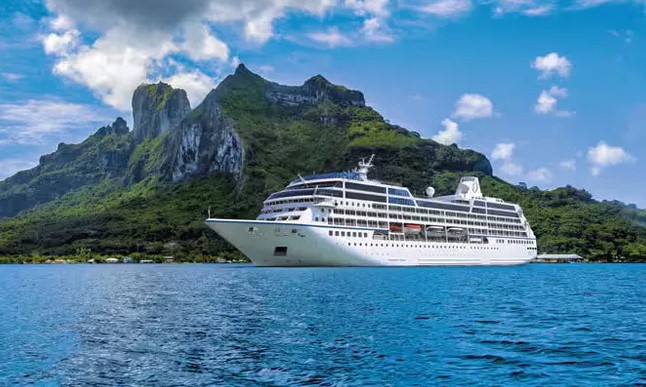
Picture this: You unpack your bags just once, settle into your stateroom, and wake up three days later looking out at the dramatic fjords of Norway. Two weeks after that, you’re sipping fresh espresso overlooking the sun-drenched coast of Southern Italy, followed by an evening transit through the engineering marvel of the Suez Canal. No chaotic airport security lines, no daily luggage repacking, and zero stress over connecting flights.
The Technical Anatomy of Modern Long-Haul Cruising
+-------------------------------------------------------------------------+
|                  THE LONG-HAUL MARITIME ECOSYSTEM                       |
|                                                                         |
|  [ Propulsion & Hydrodynamics ]                                         |
|   └── Azipod propulsion systems + Dynamic anti-roll stabilizers        |
|                                                                         |
|  [ Environmental & Utility Infrastructure ]                             |
|   └── Reverse Osmosis desalination + Scrubber emissions filtration      |
|                                                                         |
|  [ Operational Logistics ]                                              |
|   └── Strategic port provisioning + Sea-day navigational staging        |
+-------------------------------------------------------------------------+
Key Technical Aspects Every Cruiser Should Know
-
Gross Tonnage (GT) vs. Passenger Ratio: Gross tonnage measures a ship’s internal volume, not its weight. Dividing GT by passenger capacity gives you the Space Ratio. A ratio above 45 means generous public space and far fewer crowded hallways.
-
Dynamic Stabilization Systems: Modern ships deploy computer-controlled gyroscopic fins beneath the waterline. These fins adjust dynamically against wave pressure, reducing ship roll by up to 85% during open-ocean sea days.
-
Azipod Propulsion Units: Unlike traditional fixed shaft propellers, Azipods rotate 360 degrees. This provides pinpoint maneuverability into tight historical ports without relying heavily on tugboats.
-
Port-to-Sea Ratios: The best world itineraries maintain a balanced cadence—typically two days in port followed by one or two sea days. This pacing prevents “destination fatigue” and gives your mind time to process new cultures.
Defining Your Journey: Expedition Ships vs. Mega-Liners
| Feature / Metric | Ocean Mega-Liners (2,500+ Guests) | Expedition & Mid-Sized Ships (200–900 Guests) |
| Draft & Docking Capabilities | Deep draft; must use tender boats for smaller ports | Shallow draft; docks directly in historic downtown piers |
| Onboard Entertainment | Broadway-style shows, ice rinks, major spa complexes | Enrichment lectures by marine biologists & historians |
| Sea Keepability | Exceptional stability in heavy open ocean swells | Highly maneuverable in narrow passages and ice fields |
| Port Stay Duration | Typically 8–10 hours per port call | Often includes overnight dockings and multi-day stays |
The Logistics Blueprint: How to Prepare for Long-Term Sea Life
1. Stateroom Selection Strategy
-
Mid-ship, Lower Deck: The mathematical center of gravity for the ship. If you are prone to seasickness, book a cabin on a lower deck in the middle of the vessel where pitch and roll are minimal.
-
Balcony Considerations: On long transoceanic crossings (like Atlantic or Pacific legs), a private balcony provides essential fresh air and private outdoor space away from busy public decks.
2. Navigating Sea Days Productively
+-------------------------------------------------------------------------+
|                    TYPICAL SEA-DAY ROUTINE CYCLE                        |
|                                                                         |
|  07:30 - 08:30 | Sunrise Walk on Promenade Deck (Low-impact workout)    |
|  09:30 - 11:00 | Maritime History or Regional Culture Lecture           |
|  12:30 - 14:00 | Unhurried Deckside Lunch & Hydrotherapy Session        |
|  15:00 - 17:00 | Reading, Writing, or Navigation Port Briefing          |
|  19:30 - 22:00 | Captain's Dinner & Evening Acoustic Performances       |
+-------------------------------------------------------------------------+
Expert Advice: Tips Pro & Hidden Pitfalls
Pro Tips for Long-Haul Cruisers
-
Book Independent Port Excursions early: Resorting solely to cruise line shore excursions can leave you moving in slow-moving bus groups of 50 people. Research reputable local operators or hire private drivers in major ports to get deeper, private cultural access at lower costs.
-
Leverage Onboard Medical & Prescription Planning: If you are embarking on a multi-month journey, ensure your prescriptions are filled for the entire duration plus a 30-day buffer. Ship medical centers stock basic medications, but specialized pharmaceuticals can be difficult to source in remote ports.
-
Utilize Self-Service Laundry Logistics: Verify if your ship offers self-service laundry rooms on cabin decks. Relying entirely on daily hotel laundry service for months at a time gets extremely expensive; access to washers and dryers lets you pack for 10 days even on a 90-day trip.
Hidden Pitfalls to Avoid
Warning: Never rely solely on satellite Wi-Fi for critical, time-sensitive work while crossing open ocean basins. While modern low-Earth-orbit satellite networks (like Starlink) have vastly improved connection speeds, ocean storms and geographical dead zones can still cause temporary outages.
-
Ignoring Visa and Immigration Protocols: Even though cruise line purser desks manage general manifest clearance, certain countries require individual physical visas stamped prior to arrival. Always verify visa requirements based on your passport nationality for every country on the itinerary.
-
Over-Packing Formal Wear: Many modern luxury lines have relaxed traditional dress codes. Instead of packing multiple heavy tuxedos or evening gowns, opt for versatile, lightweight smart-casual attire that can be layered easily.
-
Forgetting Currency Micro-Details: While onboard spending is charged to your cabin account via credit card, small local markets in port towns rarely accept foreign credit cards or large bills. Always keep a small stash of local currency or widely accepted small-denomination USD/Euros for port days.
Final Thoughts: The Horizon Awaits
What Is Your Ultimate Sea Route?
Youth and Culture: Student Trips That Broaden Horizons

Source:https://studenttravelthailand.com
Imagine stepping off an overnight train into a misty morning in Kyoto or stepping onto the cobblestones of Prague as the city wakes up. You aren’t just holding a passport; you are holding a key to a world that textbooks can only describe in flat monochrome. Yet, according to educational travel studies, over 70% of young travelers feel overwhelmed by their first independent cultural journey, defaulting to familiar fast-food chains and tourist bubbles instead of genuinely connecting with the soul of a destination.
The Neuro-Architecture of Youth Travel: Why Experiential Immersion Works
+-------------------------------------------------------------------------+
|                    THE CULTURAL IMMERSION SPECTRUM                      |
|                                                                         |
|  [ Surface Tourism ]                                                    |
|   ├── Bus tours, fast-food reliance, English-only bubbles               |
|   └── Outcome: High cost, shallow retention, zero mindset shift         |
|                                                                         |
|  [ Deep Experiential Travel ]                                           |
|   ├── Homestays, public transit navigation, language micro-challenges   |
|   └── Outcome: Enhanced neuroplasticity, resilience, global empathy     |
+-------------------------------------------------------------------------+
Key Technical Pillars of Meaningful Cultural Journeys
-
Linguistic Micro-Immersion: Mastering just 20 to 30 functional phrases in the local language alters your social dynamics instantly. It breaks down defensiveness and signals respect to local hosts.
-
Tactile Heritage Engagement: Reading about Incan masonry or Renaissance painting is passive. Sculpting clay with a master artisan in Oaxaca or taking an authentic cooking class in Hanoi anchors historical context directly into muscle memory.
-
Navigational Autonomy: Learning to navigate a complex subway system—like Tokyo’s Metro or the London Underground—builds executive function, spatial reasoning, and real-world problem-solving skills faster than any classroom setting.
-
Cross-Cultural Reciprocity: High-value student travel avoids “savior complex” tourism. Instead, it focuses on equal cultural exchange, active listening, and supporting locally owned, community-backed micro-enterprises.
Top Global Destinations for Student Culture Trips
| Destination | Primary Cultural Focus | Key Experiential Highlights | Ideal For |
| Japan (Tokyo & Kyoto) | Hyper-Modernity vs. Ancient Tradition | Temple stays, anime studio tours, bullet train navigation | First-Time Solo Travelers & Tech Enthusiasts |
| Spain (Madrid, Seville, Granada) | Moorish History & Mediterranean Living | Flamenco workshops, tapas crawls, language exchanges | High School & University Language Students |
| Vietnam (Hanoi to Ho Chi Minh) | Living History & Culinary Traditions | Night market exploration, rural homestays, craft villages | Budget Backpackers & Adventure Seekers |
| Germany & Central Europe | 20th-Century European History & Arts | Memorial site tours, street art walks, rail hopping | History Buffs & Humanities Majors |
The Strategic Blueprint: Planning High-Impact Student Travel
1. The 70/30 Itinerary Rule
2. The Daily “Local Micro-Challenge”
-
Day 1: Buy a morning pastry and coffee using only the local language.
-
Day 2: Navigate from the hostel to a historic plaza without opening digital GPS maps.
-
Day 3: Ask a local artisan or barista for their personal recommendation for lunch.
+-------------------------------------------------------------------------+
|                  BALANCED STUDENT DAILY FRAMEWORK                       |
|                                                                         |
|  08:30 - 09:30 | Language Micro-Challenge & Local Breakfast             |
|  10:00 - 12:30 | Core Historical/Cultural Site Visit                    |
|  13:00 - 14:00 | Street Food / Local Market Lunch                       |
|  14:30 - 16:30 | Interactive Workshop (Craft, cooking, performance)     |
|  17:00 - 19:00 | Unscripted Exploration & Journal Reflection Time       |
+-------------------------------------------------------------------------+
Expert Advice: Tips Pro & Hidden Pitfalls
Pro Tips for Student Travelers
-
Leverage International Student Cards (ISIC): The International Student Identity Card (ISIC) is one of the most underutilized tools in budget travel. It unlocks discounts—ranging from 20% to 100% off—on museum entries, train tickets, and UNESCO sites worldwide.
-
Stay in Social, Centrally Located Hostels: Skip out-of-town chain hotels. Choose well-reviewed hostels situated in historic city centers. Hostels offer shared kitchens, free walking tours, and open lounge spaces that encourage social connection with global peers.
-
Embrace Public Transit Passes: Buying single transit tickets drains your daily budget. Research multi-day student or youth transit passes before arriving to get unlimited access to subways, buses, and trams at steep discounts.
Hidden Pitfalls to Avoid
Warning: Never fall for “Volunteer Tourism” (Voluntourism) traps that charge high fees for short-term, unskilled labor projects. These programs often exploit local communities rather than helping them. Instead, choose educational immersion trips focused on learning and mutual cultural exchange.
-
Relying Entirely on Credit Cards and Phones: In many cultural hubs across Eastern Europe, Asia, and Latin America, cash is still king for small vendors and street food stalls. Always carry a small amount of local currency, and keep physical copies of key documents in case your phone battery dies.
-
Ignoring Local Etiquette and Dress Codes: Entering a sacred temple, mosque, or cathedral in shorts and tank tops can result in turned-away access or cause unintended offense. Research local modesty norms, shoulder/knee coverage rules, and shoe removal customs ahead of time.
-
Traveling in Large, Noisy Groups: Moving through a foreign city in a pack of ten or more people creates an invisible barrier between you and the local community. Break off into pairs or small groups of three to make your presence approachable and open to genuine local interactions.