


Wander East: Backpacking Routes Across Asia
 Picture this: You are standing in a bustling night market in Hanoi, surrounded by the neon glow of street food stalls, the roar of a thousand scooters, and the scent of sizzling lemongrass pork. You pull out your smartphone, open a mapping app, and instantly freeze up. With dozens of border crossings, endless transit options, and competing travel itineraries online, the sheer volume of choices feels paralyzing.
I have spent over a decade backpacking across Asia, stepping onto sleeper buses, navigating overland border checks, and making just about every logistical mistake imaginable. Backpacking across this continent is an incredible rite of passage, but without a clear game plan, it is easy to burn through your savings, waste days in transit, or end up hopelessly burnt out.
Whether you are stepping out on your very first long-haul trip or scaling up from short vacations to multi-country expeditions, this guide breaks down the most iconic backpacking Asia routes, complete with budgets, transit strategies, and real-world safety logic.
Why Choosing the Right Backpacking Route Matters
Asia is not a single, homogeneous playground; it is a massive mosaic of distinct regions, visas, landscapes, and infrastructure levels. Trying to cover too much ground too fast is the ultimate rookie mistake.
Think of choosing your backpacking route like choosing a streaming service subscription. You want a package that gives you maximum value, seamless playback (smooth transit), and content you actually want to watch—without paying extra for channels you will never use. Trying to cram six countries into three weeks is like double-speeding a cinematic masterpiece; you miss all the subtle details that make the journey memorable.
+-----------------------------------------------------------------------------------+
|                        THE BACKPACKING ROUTE TRIANGLE                             |
+-----------------------------------------------------------------------------------+
|  [ Infrastructure ] ----> Easy Transport + Hassle-free Visas                      |
|  [ Budget ]         ----> Daily Living Costs + Transit Fees                       |
|  [ Pace ]           ----> Travel Days vs. Rest Days Ratio                         |
+-----------------------------------------------------------------------------------+
When evaluating classic backpacking Asia routes, balance these three core variables:
-
Infrastructure & Connectivity: Well-trodden paths have reliable sleeper trains, tourist buses, and simple visa-on-arrival (VOA) systems.
-
Daily Burn Rate: Your daily expenses (accommodation, food, local transport) dictate how long your trip can actually last.
-
Geographical Continuity: Land crossings are far cheaper and more immersive than taking frequent short-haul flights.
The Big Three: Proven Backpacking Routes Across Asia
Depending on your timeframe, budget, and comfort with culture shock, three primary overland corridors dominate the Asian continent.
| Route Corridor | Target Audience | Ideal Duration | Estimated Daily Budget | Primary Mode of Transit |
| Banana Pancake Trail (SE Asia) | Beginners | 4 to 8 Weeks | $30 – $45 USD | Sleeper Buses, Trains, Ferries |
| The Cultural Arc (Japan & S. Korea) | Intermediate | 2 to 4 Weeks | $70 – $110 USD | High-Speed Rail (Shinkansen/KTX) |
| The Himalayan Spine (Nepal & India) | Intermediate / Advanced | 4 to 12 Weeks | $20 – $35 USD | Express Trains, Local Buses |
1. The Classic Southeast Asia Loop (“Banana Pancake Trail”)
This is the gold standard for first-time backpackers. A classic loop starts in Bangkok (Thailand), moves north to Chiang Mai, crosses into Laos via a slow boat down the Mekong River, heads south through Vietnam, enters Cambodia to visit Angkor Wat, and finishes back in Thailand.
The infrastructure here is insanely user-friendly. You can walk into almost any hostel or travel agency and book a seamless door-to-door ticket involving a tuk-tuk, a mini-van, and a sleeper train—all on a single slip of paper.
2. East Asia Express: Japan and South Korea
For travelers who prefer hyper-modern infrastructure, safety, and incredible culinary scenes, the route connecting Seoul, Busan, Tokyo, Kyoto, and Osaka is unmatched.
While accommodation and transit costs are higher, the speed and efficiency of bullet train networks allow you to pack an enormous amount of sightseeing into a tight timeframe.
3. The Indian Subcontinent & Nepal
If you want deep culture, dramatic landscapes, and raw adventure on a shoestring budget, traveling from New Delhi through Rajasthan, moving toward Varanasi, and crossing the land border into Nepal (Pokhara and Kathmandu) offers an unforgettable journey.
This route requires patience, flexibility, and a strong stomach, but it yields some of the most rewarding encounters on earth.
Step-by-Step Breakdown: The 4-Week Southeast Asia Master Route
If you have one month to spare, this carefully paced itinerary balances famous landmarks with rich cultural immersion.
Bangkok (Start) ---> Chiang Mai ---> Luang Prabang (Laos) ---> Hanoi (Vietnam)
                                                                 |
                                                                 v
Bangkok (Finish) <-- Siem Reap (Cambodia) <-- Hoi An / Da Nang <--
Week 1: Thailand (Street Food & Mountain Chill)
-
Days 1–3: Arrive in Bangkok. Explore Grand Palace, Wat Pho, and the street-food stalls of Yaowarat (Chinatown).
-
Days 4–7: Take an overnight train north to Chiang Mai. Spend days exploring temples, ethical elephant sanctuaries, and night bazaars.
Week 2: Laos (The Slow Mekong Drift)
-
Days 8–9: Take a border transport to Chiang Khong and board a two-day slow boat down the Mekong River to Luang Prabang.
-
Days 10–14: Discover the Kuang Si Waterfalls, take an early morning alms-giving walk, and ride the high-speed China-Laos Railway down to Vang Vieng for karst landscape hiking.
Week 3: Vietnam (Culture, History, & Coastlines)
-
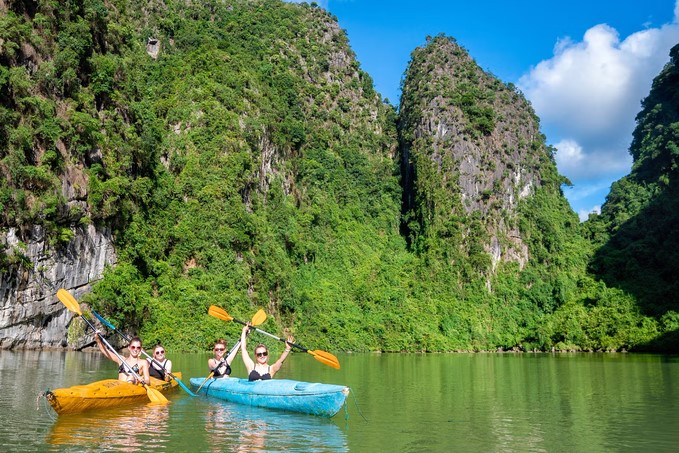
Days 15–18: Fly short-haul or take an overland route to Hanoi. Explore the Old Quarter, sip egg coffee, and take an overnight cruise in Ha Long Bay or Cat Ba Island.
-
Days 19–21: Fly or take the overnight train south to Da Nang/Hoi An. Get custom clothes tailored, rent a bicycle to ride through rice paddies, and relax on the beach.
Week 4: Cambodia & Return (Ancient Wonders)
-
Days 22–26: Fly to Siem Reap. Spend three days exploring the sprawling temple complex of Angkor Wat, Bayon, and Ta Prohm.
-
Days 27–28: Return to Bangkok by bus or short flight for final souvenir shopping and a farewell rooftop drink.
Essential Packing & Tech Strategy for Asia
Packing light is not just a preference; it is a survival skill when tossing your gear onto boat decks or hauling it up four flights of hostel stairs.
+-----------------------------------------------------------------------------------+
|                        BACKPACKING PACKING CHECKLIST                              |
+-----------------------------------------------------------------------------------+
|  [ Gear ]          [ Choice ]                 [ Strategic Purpose ]               |
|  Main Backpack     40L–45L Carry-On Size      Skip checked luggage fees & waits   |
|  Daypack           15L–20L Foldable           Daily outings & holding valuables   |
|  Footwear          Trail Runners + Sandals    Versatile for temples & hikes       |
|  Apparel           Quick-Dry Synthetics       Easy laundry & humidity management  |
+-----------------------------------------------------------------------------------+
Core Apparel & Gear Rules
-
Stick to a 40L Carry-On Pack: A 40-liter backpack fits in airline overhead bins, saves you hundreds of dollars in baggage fees on budget carriers like AirAsia, and keeps you mobile on rough cobblestone streets.
-
Breathable, Temple-Appropriate Clothing: Pack lightweight pants and shirts that cover your shoulders and knees. Many major religious sites enforce strict dress codes, and wrapped scarves are occasionally rejected at security.
-
Power Bank & Universal Adapter: Overnight trains and long bus rides frequently have broken or non-existent outlets. A 10,000mAh to 20,000mAh power bank keeps your navigation tools alive.
-
E-SIMs and Offline Maps: Download offline maps (such as Maps.me or Google Maps) before crossing borders. Grab local e-SIMs using apps like Airalo or Holafly to get instant mobile data upon landing.
Expert Advice: Pro Tips & Hidden Warnings
Pro Tip: The “Two-Night Rule” for Burnout Prevention
Fast travel causes mental fatigue. When designing your backpacking Asia routes, enforce the “Two-Night Rule”: never stay for just a single night in a destination unless it is purely a transit stopover. Unpacking, sleeping, packing, and checking out every 24 hours will drain your energy within two weeks. Staying at least two nights gives you one full day free of transit logistics.
The “Night Bus” Security Risk
Overnight sleeper buses are brilliant budget savers because they combine long-distance transit with a night of accommodation. However, they are also prime locations for opportunistic theft. Never put your passport, electronics, cash, or medication in the luggage hold under the bus. Keep your small daypack strapped to your body or tucked securely under your legs while you sleep.
Budget Breakdown: Managing Your Money on the Trail
Keeping costs down comes down to mastering local payment methods and understanding daily regional pricing.
                      DAILY EXPENSE ALLOCATION

 [Food & Drinks]    =========================> 35%
 [Accommodation]    ======================> 30%
 [Transit & Visas]  ===============> 20%
 [Activities/Tours] ===========> 15%
-
Cash is Still King: While big cities in Japan, South Korea, and Singapore are largely cashless, South and Southeast Asia operate heavily on physical currency. Always carry crisp USD notes for emergency exchanges or visa fees at remote land borders.
-
Beware of ATM Fees: Bank ATMs in countries like Thailand charge up to $6–$8 USD per withdrawal. Minimize these fees by withdrawing the maximum daily limit allowed rather than making frequent small transactions.
-
Eat Where Locals Queue: Follow the crowds. Busy street food stalls have high turnover rates, meaning the food is freshly cooked, hot, and far less likely to cause digestive issues than quiet tourist restaurants.
Summary & Your Next Step
Embarking on any of these backpacking Asia routes opens the door to incredible landscapes, rich cultural histories, and lifelong friendships forged on long train rides. By choosing a route that matches your travel pace, packing light, and respecting local customs, you set yourself up for a smooth and rewarding adventure.
Which Asian route are you planning to conquer first, or what is your absolute biggest worry about backpacking abroad? Drop your thoughts, route questions, or packing dilemmas in the comments below—I reply to every single comment!