


Stay in Style: Boutique Hotels for Memorable Journeys
Source:https://images.travelandleisureasia.com
In today’s competitive travel landscape, personalization and character have become defining elements of exceptional hospitality. Discerning travelers increasingly favor boutique hotel stays over standardized accommodations, seeking properties that reflect local culture, architectural distinction, and individualized service. Unlike large chain hotels that prioritize uniformity, boutique establishments emphasize storytelling, design, and intimate guest experiences. From heritage mansions transformed into elegant retreats to contemporary urban hideaways showcasing modern artistry, boutique hotels offer memorable journeys that extend beyond a comfortable night’s rest. This article explores the defining features of boutique hospitality, highlights global examples, and introduces a forward-thinking concept poised to shape the next evolution of stylish travel.
The Essence of Boutique Hospitality
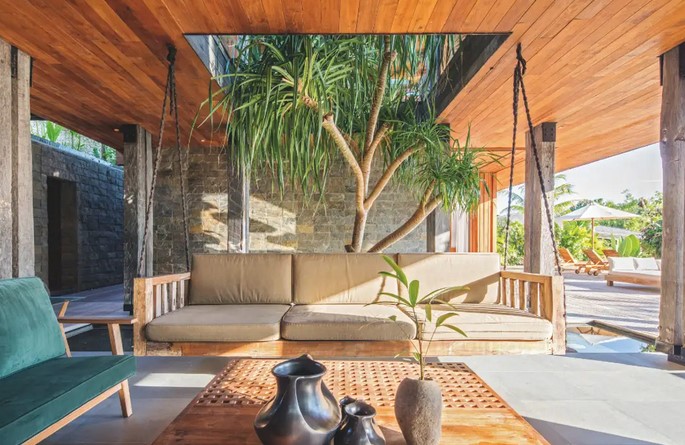
Boutique hotels are typically characterized by smaller room counts, distinctive design concepts, and a strong sense of identity. These properties often integrate local materials, artwork, and culinary traditions to create immersive environments reflective of their surroundings.
In cities such as Paris, boutique hotels may occupy renovated Haussmann-era buildings adorned with curated art collections. In Kyoto, traditional machiya townhouses have been adapted into refined accommodations that preserve tatami rooms and wooden lattice façades. Meanwhile, properties in New York City transform historic warehouses into contemporary loft-style retreats that celebrate industrial heritage.
Beyond aesthetics, boutique hospitality focuses heavily on personalized service. Staff members often know guests by name, provide tailored recommendations, and curate experiences aligned with individual interests. This attention to detail fosters loyalty and emotional connection.
Design-Driven Identity and Cultural Integration
A defining strength of boutique hotels lies in their design philosophy. Each property tells a story—whether inspired by local history, natural landscapes, or artistic movements. For instance, hotels in Barcelona frequently incorporate Catalan modernist elements, while those in Marrakech highlight intricate tilework and riad-style courtyards.
Cultural integration extends to culinary offerings. Boutique hotels often feature on-site restaurants that spotlight regional ingredients and traditional recipes with contemporary flair. In Florence, guests might savor Tuscan cuisine crafted from locally sourced produce, while in Bangkok, rooftop dining venues blend urban panoramas with authentic Thai flavors.
Art partnerships are also common. Many boutique properties collaborate with local galleries and designers, transforming hotel interiors into dynamic exhibition spaces. This synergy between hospitality and creative industries enhances the guest experience while supporting regional talent.
Advantages Over Conventional Accommodations
The appeal of boutique hotel stays lies not only in aesthetics but also in operational philosophy. Smaller scale enables greater flexibility in responding to guest preferences. Unlike large resorts bound by standardized procedures, boutique hotels can adapt services quickly and creatively.
Location is another strategic advantage. Boutique properties often occupy prime urban neighborhoods or scenic enclaves inaccessible to large-scale developments. In Amsterdam, canal-side boutique hotels provide intimate access to historic districts. In Cape Town, hillside villas offer sweeping ocean views combined with tailored concierge services.
Sustainability increasingly influences boutique operations. Many independent hotels adopt eco-conscious practices such as energy-efficient lighting, waste reduction programs, and locally sourced amenities. Because of their scale, boutique hotels can implement innovative sustainability initiatives more swiftly than larger chains.
Technology integration further enhances convenience. Mobile check-ins, smart room controls, and personalized digital concierge services streamline operations while maintaining the human-centered approach that defines boutique hospitality.
Emerging Trends in Boutique Travel
The boutique sector continues to evolve in response to shifting traveler expectations. Wellness-focused design is gaining prominence, with properties incorporating spa facilities, yoga studios, and holistic programming into their core offerings. In urban centers like Los Angeles, wellness-centric boutique hotels blend luxury accommodations with mindfulness workshops and nutrition-driven dining.
Another trend involves experiential packages curated around local themes—culinary tours, art walks, or historical explorations. Rather than serving solely as lodging, boutique hotels act as cultural gateways connecting guests to authentic regional experiences.
Hybrid spaces are also emerging. Boutique hotels increasingly combine co-working lounges, social hubs, and event venues, catering to digital nomads and creative professionals. This integration of hospitality and lifestyle reinforces the property’s identity as a community-centered destination.
A New Concept: The Global Storyline Hotel Collective
Looking ahead, an innovative concept poised to redefine boutique travel is the Global Storyline Hotel Collective. This initiative envisions a curated network of boutique hotels worldwide united by a shared storytelling framework while preserving local individuality.
Each participating property would develop a distinct narrative theme rooted in its geographic and cultural context—such as maritime heritage in Amsterdam or artistic modernism in Barcelona. Guests traveling between collective members would accumulate a digital “story passport,” unlocking curated experiences tied to each location’s theme.
Key components of the Global Storyline Hotel Collective include:
- Cross-property loyalty benefits emphasizing experiential rewards rather than discounts
- Collaborative art residencies rotating among member hotels
- Shared sustainability standards with measurable environmental benchmarks
- Interactive digital platforms allowing guests to document and share their journeys
This model enhances guest engagement by connecting individual stays into a cohesive global narrative. Rather than isolated visits, travelers experience a continuous journey enriched by thematic continuity and cultural diversity.
By balancing local authenticity with international collaboration, the Collective strengthens the boutique identity while expanding reach and innovation potential.
As travelers increasingly prioritize authenticity, design excellence, and personalized service, boutique hospitality continues to flourish across global destinations. From historic quarters in Paris to artistic enclaves in Kyoto and vibrant urban districts in New York City, boutique properties deliver distinctive environments that transform accommodation into an integral part of the travel experience. Through innovation, sustainability, and creative storytelling, boutique hotel stays redefine modern luxury. As concepts like the Global Storyline Hotel Collective emerge, boutique hotel stays are poised to shape the future of hospitality—ensuring that every journey is not only comfortable, but truly memorable and meaningful.