


From Kitchen to Culture: Culinary Cooking Trips Abroad
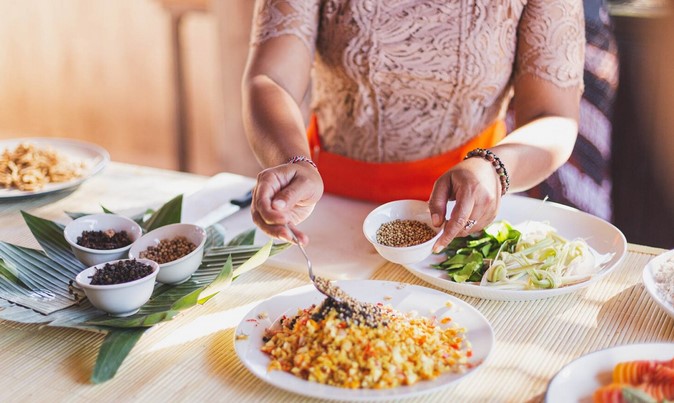
Source:https://www.flashpack.com
You are standing in a humid, bustling morning market in Oaxaca, Mexico. Your guide, a third-generation mole master, hands you a dried chili and tells you to smell—not just the spice, but the smoke, the earth, and the history of the soil it grew in. Most travelers believe they’ve “experienced” a culture because they ate at a top-rated restaurant on TripAdvisor. But here is the cold, hard truth: eating a dish is just the final chapter of a story you haven’t actually read yet.
Over the last decade, I’ve transitioned from a casual foodie to a dedicated culinary nomad. I’ve kneaded pasta dough in dusty Tuscan farmhouses and balanced the five flavors of Thai cuisine in a scorching Bangkok alleyway. I’ve learned that culinary cooking trips are the ultimate “backstage pass” to a civilization. When you move from the dining table to the prep station, the architecture of a culture suddenly makes sense.
Why Culinary Cooking Trips are the Ultimate Cultural Deep-Dive
Think of a country’s culture like a complex piece of software. The sights, the music, and the language are the “user interface”—the part you see and interact with easily. The food, however, is the source code. It contains the history of migration, the technical constraints of the local climate, and the socio-economic evolution of the people.
By engaging in culinary cooking trips, you stop being a consumer and start being a practitioner. You learn the “why” behind the “what.” You begin to understand why a certain region favors fermentation (preservation) or why another relies on high-heat stir-frying (fuel efficiency). It is an educational immersion that engages all five senses simultaneously.
Technical Mastery: What to Expect in the Kitchen
For the beginner and intermediate traveler, a cooking trip is often a blend of market tours and hands-on instruction. However, the technical depth can vary wildly depending on your choice.
1. The Market-to-Table Workflow
Most high-quality culinary cooking trips begin at the source. This is where you learn the “Technical Specs” of ingredients. You’ll learn to identify heirloom varieties, understand the brix level (sugar content) of tropical fruits, and recognize the freshness of proteins through visual and olfactory cues. This isn’t just shopping; it’s a masterclass in supply chain and raw material quality.
2. Regional Knife Skills and Heat Control
Every culture has its “standard operating procedures.” In Japan, you might learn the Katsuramuki technique (sheeting a vegetable); in France, you’ll master the Mirepoix and the science of the Maillard Reaction—the chemical reaction between amino acids and reducing sugars that gives browned food its distinctive flavor. These are transferable skills that upgrade your kitchen at home forever.
3. Flavor Balancing and The Fifth Taste
Intermediate cooks will appreciate the deep dive into Umami and the technical balance of acidity, salinity, bitterness, and sweetness. You’ll learn how to use “flavor bridges” to connect disparate ingredients, a skill that separates a recipe-follower from a true chef.
Choosing Your Flavor: Top Destinations for 2026
If you are ready to book, these three regions offer the most robust and technically rewarding culinary cooking trips for travelers.
-
Bologna, Italy (The Fat City): This is the heart of handmade pasta. The focus here is on the hydration levels of dough and the traditional use of “Soft Wheat” (Farina 00). You’ll learn why the geometry of a pasta shape is technically designed to “hold” a specific type of sauce.
-
Chiang Mai, Thailand: Ideal for those who want to master aromatic extraction. You’ll learn the physical labor of using a mortar and pestle to release essential oils from galangal, lemongrass, and kaffir lime—a process that food processors simply can’t replicate.
-
San Sebastian, Spain: The world capital of “New Basque” cuisine. Here, the focus is on molecular gastronomy lite and the creative use of seafood. You’ll learn about the “Cold Chain” of the Bay of Biscay and how it dictates the texture of the fish on your plate.
💡 Pro Tip: The “Non-Tourist” Search Filter
When booking culinary cooking trips, avoid the “Top 5” results on major booking platforms. These are often “entertainment-first” classes designed for large groups. Instead, search for “Market-driven cooking workshops” or “Regenerative farm-to-table immersions.” Look for classes that limit their size to 6 people or fewer. The technical “Learning Curve” is much steeper when you have the instructor’s undivided attention on your pan-tossing technique.
Essential Gear for the Culinary Traveler
Even if the school provides the equipment, a pro traveler brings a “Culinary Kit” to ensure they can document and recreate the magic.
-
Digital Thermometer: A pocket-sized thermocouple is a technical lifesaver. Whether you’re tempering chocolate or checking the internal temp of a roast, precision is the difference between a “good” meal and a “perfect” one.
-
A High-Quality Notebook: In a humid kitchen, your phone screen is your enemy. Use a stone-paper waterproof notebook to jot down ratios and “Chef’s Secrets” that aren’t in the printed recipe.
-
pH Test Strips: For intermediate travelers interested in fermentation trips (like kimchi in Korea or sourdough in San Francisco), knowing the acidity level is a vital safety and quality metric.
The Hidden Warning: The “Authenticity” Trap
As someone who has been in the industry for a decade, I have a warning: “Authentic” doesn’t always mean “Traditional.”
Food is a living thing. A chef in Lyon might use modern Sous-vide techniques to perfect a classic Coq au Vin. Don’t dismiss modern technology in the kitchen. The best culinary cooking trips are those that teach you how ancient flavors are being preserved using modern technical precision. If a class forbids modern tools just for “show,” they might be prioritizing the “vibe” over the actual culinary science.
Scannable Culinary Trip Checklist
-
Skill Level: Be honest. Don’t jump into a “Masterclass” if you haven’t mastered basic knife safety.
-
Dietary Logistics: If you are vegan or gluten-free, some regions (like Central France or Korea) can be technically challenging. Communicate your macronutrient requirements months in advance.
-
Seasonality: Research the harvest cycles of your destination. There is no point in a truffle-hunting trip in Italy during the heat of July.
-
Transporting Spices: Check the customs and biosecurity laws of your home country. Many travelers have their expensive, hand-ground spices confiscated because they didn’t understand the “Treated vs. Raw” technical definitions.
Conclusion: Cooking is the New Universal Language
Culinary cooking trips change you. You return home not just with a suitcase full of saffron or sea salt, but with a new way of looking at the world. You realize that a recipe is just a set of instructions, but the technique is the soul.
When you stand in a foreign kitchen, sweat on your brow and a local chef nodding at your perfectly seasoned sauce, the borders between “Us” and “Them” vanish. You are just two humans trying to master the fire.
Which dish have you always wanted to learn from a local master? Or have you already taken a cooking trip that completely changed your kitchen game? Let’s swap recipes and stories in the comments below!