


Desert Nights: Budget Desert Camps Under the Stars
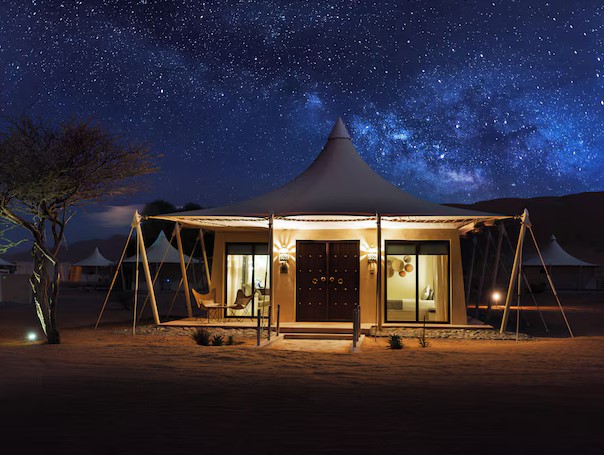
Source:https://images.trvl-media.com
You step out of a canvas tent into total silence, the temperature dropping fifteen degrees the moment the sun dips below the horizon. Above you, free from city light pollution, the Milky Way stretches across an ink-black sky with a clarity so intense it almost feels surreal. Then comes the reality check: you realize you paid just $30 for this entire experience, while tour buses ten miles away are shuttling crowds to $800-a-night glamping resorts for the exact same view of the stars.
Early in my decade-long journey traversing arid landscapes across the globe, I fell for the myth that desert travel required a massive budget. I assumed that staying deep among the dunes meant either dropping a month’s rent on ultra-luxury glamping or enduring brutal survival conditions with no water and sand in my teeth.
I was completely wrong. Over ten years of testing off-grid accommodations from the golden dunes of Erg Chebbi to the red canyons of Wadi Rum, I discovered a thriving middle ground. Well-managed budget desert camps offer authentic Bedouin and Berber hospitality, raw wilderness access, and solid basic comforts without the inflated luxury price tag.
If you are eager to experience the magic of a night under the stars without draining your savings, here is your practical, deep-dive guide to finding and booking high-value desert camps worldwide.
The True Value of Budget Desert Travel
Many first-time travelers worry that booking an affordable camp means compromising on safety, sanitation, or basic human comfort. Understanding how desert hospitality operates helps clear up these misconceptions.
Think of an ultra-luxury glamping site like a high-end sports car built for a racetrack: it requires massive operational energy, air-conditioned tents, private plunge pools, and imported gourmet ingredients that drive up overhead. A traditional budget camp operates like a classic 4×4 off-road vehicle: simple, durable, and highly efficient. Built using local wool, native timber, and traditional layout designs, these camps maintain low operating costs while providing genuine cultural immersion.
When you select well-run budget desert camps, you gain three distinct advantages:
-
Authentic Cultural Heritage: You stay in traditional camps managed by native Bedouin, Berber, or indigenous hosts who know the terrain, weather patterns, and local folklore inside out.
-
Direct Community Impact: Your money directly supports small family operators, local camel handlers, and regional drivers rather than foreign luxury conglomerates.
-
Unfiltered Wilderness Access: Smaller budget camps are often situated deeper in quiet dune fields, away from the noisy generator banks and bright lights of massive luxury glamping compounds.
What to Look For: Essential Camp Infrastructure
Not all low-cost options deliver a safe, comfortable stay. Knowing how to evaluate a site’s basic setup before booking is essential for a smooth desert adventure.
Essential Budget Camp Vetting
       │
       ├──► Off-Grid Power (Solar arrays, battery banks, silent backup generators)
       │
       ├──► Sanitation (Clean shared or private ablution blocks, running hot water)
       │
       └──► Thermal Protection (Layered woven canvas, heavy wool blankets, elevated cots)
1. Layered Canvas and Raised Bedding
Desert sand retains heat during the day but loses it rapidly at night. Ensure your chosen camp provides heavy woven wool carpets, elevated bed frames with thick mattresses, and layered wool blankets (baskinta) rather than thin sleeping mats placed directly on the cold ground.
2. Solar-Powered Energy Systems
Reputable budget operators utilize solar panels paired with silent battery storage to power ambient lighting and phone charging stations. Avoid budget camps that rely on loud, foul-smelling diesel generators running right outside your tent all night.
3. Functional Shared Sanitation
While you might not get a gold-plated rain shower, a solid budget camp features clean, fully plumbed shared bathrooms with running water. Solar heat exchangers often provide warm water during late afternoon hours.
3 World-Class Destinations for Affordable Desert Stays
Having spent dozens of nights under canvas across multiple continents, three destinations consistently set the gold standard for high-quality, budget-friendly desert escapes.
| Destination | Average Nightly Rate | Peak Travel Window | Signature Experience |
| Wadi Rum, Jordan | $25 – $45 USD | March – May, Sept – Nov | Red sandstone canyons, Bedouin Zarb dinners cooked underground, 4×4 dune tours |
| Erg Chebbi (Merzouga), Morocco | $20 – $40 USD | October – April | Massive golden sand dunes, Berber drum circles around central bonfires, camel treks |
| Wahiba Sands, Oman | $35 – $60 USD | November – March | Rolling orange dunes, traditional Omani coffee hospitality, stargazing setups |
A Typical Itinerary: The Desert Rhythm
To help you visualize the flow, staying at an authentic desert camp replaces artificial schedules with an unhurried, natural cadence.
04:30 PM – 05:30 PM : 4x4 Dune Transfer or Camel Trek into camp as the sun lowers
06:00 PM – 07:00 PM : Sunset Watching from the top of the highest local sand dune
07:30 PM – 09:00 PM : Traditional Communal Dinner (Earth-cooked meats, flatbreads, fresh salads)
09:00 PM – 11:00 PM : Stargazing and Bedouin Storytelling around the central bonfire
06:00 AM – 07:00 AM : Early Morning Sunrise Walk followed by Hot Mint Tea and Breakfast
Pro Tips for the Smart Desert Traveler
Planning a night in the dunes requires a bit of practical preparation. Here are my non-negotiable guidelines for booking budget desert camps:
Pro Tip: Always carry your own high-capacity portable power bank and a headlamp with a red-light mode. Power at budget camps is often turned off after midnight to conserve solar battery reserves, and red light allows you to navigate the camp without blinding other guests or ruining your night-sky vision.
-
Pack smart thermal layers: Desert air drops rapidly after dusk. Bring thermal baselayers, a windproof jacket, a fleece beanie, and warm wool socks, even if daytime temperatures exceed 35°C (95°F).
-
Confirm transfer inclusions in writing: Budget camps are often located deep off-road. Always clarify whether 4×4 dune transport from the meeting village is included in your nightly rate or if it carries an extra charge.
-
Protect your electronics from fine sand: Desert dust (fesh-fesh) gets everywhere. Keep your cameras, lenses, and phones inside sealed dry-bags or ziplock pouches when not in active use.
Hidden Warnings: Pitfalls Budget Travelers Must Avoid
Before placing a non-refundable deposit on a cheap desert package, keep an eye out for these subtle operational red flags:
-
The “Highway-Side” Camp: Some ultra-cheap camps advertise “desert views” but are built just 200 meters off busy paved highways. Ensure your camp is located deep enough into the dune field to avoid headlight glare and traffic noise.
-
Unregulated Dune Transfers: Ensure your camp uses licensed 4×4 drivers who deflate their tires properly for sand travel. Inexperienced drivers can easily get vehicles stuck in loose sand dunes, stranding you for hours.
-
Hidden Water Rationing: Ask about water availability before booking. Lower-tier budget operators sometimes limit running water to brief periods during the day, making showers unpredictable.
Claiming Your Night Under the Stars
The desert has a unique way of putting life into perspective. You do not need five-star luxury or butler service to experience the absolute peace of an open night sky. By choosing carefully vetted budget desert camps, you get front-row access to one of nature’s greatest spectacles while keeping your travel budget intact.
Have you ever spent a night under the stars in a desert camp, or are you currently planning your very first dune adventure? Share your thoughts, questions, or favorite destinations in the comments below—I’d love to help you plan your journey!