


Exotic Escapes: Tropical Desert Adventures for Wanderers
Source:https://travelsbetween.com
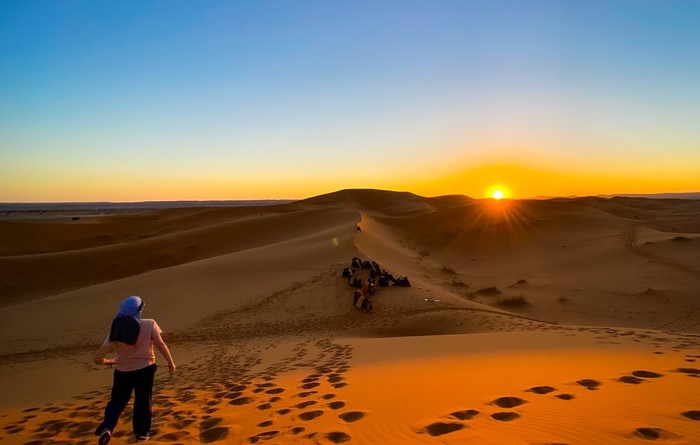
Picture yourself standing at the crest of a wind-sculpted sand dune at 4:00 PM. The ambient temperature reads $104^\circ\text{F}\ (40^\circ\text{C})$, but instead of endless dry barren plains, you look down to see turquoise freshwater lagoons glistening between towering white dunes, framed by emerald coconut palms along the horizon. You take a sip from your hydration pack, step off the crest, and plunge into warm, crystal-clear water right in the middle of a desert.
If that sounds like a glitch in the laws of nature, welcome to the rare, captivating realm of coastal sand ecosystems and hyper-arid tropical biomes.
Having spent over a decade traversing extreme landscapes—from the salt flats of South America to the coastal sand seas of Brazil and Oman—I can tell you that tropical desert adventures offer one of the most surreal travel experiences on Earth. Yet, many beginner and intermediate wanderers fail to prepare for the unique physical realities of these environments.
Let’s break down everything you need to know to navigate these dual-climate wonderlands safely, comfortably, and with expert confidence.
What Makes Tropical Deserts Unique? Decoding the Microclimates
To the untrained eye, sand is just sand. But scientifically, a tropical desert environment sits at the volatile intersection of intense solar radiation, high humidity from adjacent ocean currents or trade winds, and extreme microclimatic temperature swings.
Think of exploring a coastal tropical desert like baking a delicate pastry inside a convection oven: the sun provides relentless overhead heat, while ambient ocean humidity locks that heat around you like a wet thermal blanket.
+--------------------------+------------------------------------+------------------------------------+
| Environmental Factor     | Standard Arid Desert (e.g., Sahara)| Tropical / Coastal Desert          |
+--------------------------+------------------------------------+------------------------------------+
| Relative Humidity        | Extremely Low (10% - 20%)          | Moderate to High (50% - 80%)       |
| Daytime Solar Load       | Severe Direct UV                   | Intense UV + Heavy Glare Reflectance|
| Seasonal Water Features  | Rare Flash Oases / Dry Wadis       | Seasonal Lagoons / Coastal Estuaries|
| Heat Exhaustion Risk     | Fast Dehydration (Dry Sweat)       | Reduced Evaporative Cooling        |
+--------------------------+------------------------------------+------------------------------------+
Understanding this distinction is vital. High humidity prevents your sweat from evaporating efficiently, meaning your body’s natural air-conditioning system slows down. Proper pacing and gear selection become your primary line of defense.
Top 3 Tropical Desert Destinations for Thrill-Seeking Wanderers
If you are eager to plan your first expedition, these three destinations offer mind-bending scenery paired with world-class trekking and 4×4 navigation routes:
                      [ TROPICAL DESERT HUBS ]
                     /           |            \
       Lençóis Maranhenses  Wahiba Sands & Wadis   La Guajira Peninsula
           (Brazil)           (Oman)                   (Colombia)
1. Lençóis Maranhenses National Park – Brazil
-
The Vibe: Rolling, stark-white sand dunes filled with thousands of rain-fed blue and green lagoons during the wet-to-dry transition season (June to September).
-
My Insight: Walking across Lençóis feels like stepping onto another planet. Because the sand is pure white quartz, it surprisingly doesn’t retain blistering heat underfoot like dark volcanic sand, making bare-foot dune trekking remarkably comfortable during early morning hours.
2. Sharqiya (Wahiba) Sands & Coastal Wadis – Oman
-
The Vibe: Massive red-orange desert dunes crashing directly into the Arabian Sea, interspersed with lush palm-fringed emerald river canyons (wadis).
-
The Experience: Camping beneath the stars in high-walled dunes, followed by a short drive down to coastal estuaries where desert breezes meet tropical ocean swells.
3. La Guajira Peninsula – Colombia
-
The Vibe: South America’s northernmost point, where wild orange desert bluffs collide with the turquoise Caribbean Sea.
-
The Experience: Visiting indigenous Wayuu communities, windsurfing in high-wind bays, and riding open-air 4x4s across raw, unpaved saltflats and dune fields.
Essential Gear: What to Pack for Heat, Sand, and Sun
Standard beachwear or heavy mountain hiking gear will fail you rapidly in these environments. Building a functional kit for tropical desert adventures requires balancing solar shielding with thermal regulation.
[ WIDE-BRIM SUN HAT ] ➔ [ ULTRA-LIGHT UV WRAP ] ➔ [ HYDRATION BLADDER + SALTS ]
1. Technical Apparel
-
Solar-Rated Loose Outerwear: Opt for UPF 50+ rated, long-sleeve synthetic sun hoodies made from polyester or nylon blends. Loose cuts create a chimney effect, allowing airflow to circulate over your skin.
-
Desert Gaiters: Fine dune sand will destroy your socks and cause friction blisters within two miles. Attach lightweight elastic trail gaiters over your hiking shoes to seal out micro-particles.
-
Polarized Eyewear: Glare reflecting off pale sand dunes and coastal waters can cause photokeratitis (snow blindness equivalent in sand). Always wear Category 3 or 4 polarized sunglasses with lateral side shields.
2. Footwear Choices
-
Avoid heavy, waterproof leather boots. Moisture gets trapped inside, causing severe skin maceration. Choose non-waterproof, fast-draining trail runners or specialized desert trekking boots with breathable mesh side panels.
Mastering Hydration Math & Electrolyte Balance
The biggest mistake beginners make on tropical desert adventures is drinking gallons of plain water without replenishing vital electrolytes.
When you sweat in humid tropical heat, your body loses critical sodium, potassium, and magnesium salts. Gulping pure water without electrolytes dilutes your bloodstream’s sodium concentration, leading to a dangerous condition known as hyponatremia (water intoxication), characterized by confusion, nausea, and severe fatigue.
Pro Tip: Calculate your fluid intake at $0.75\text{ to }1.0\text{ Liter}$ of water per hour of active movement, and add an electrolyte powder packet to every second bottle. Sip small amounts every 10–15 minutes rather than chugging a whole liter at once.
Hidden Hazards: Expert Safety Warnings for Desert Explorers
Desert environments command absolute respect. Keep these critical warnings top-of-mind before setting out:
🚨 Hidden Warning: 4×4 Sand Traps & Flash Heat Exhaustion
3 Rules for Respectful Exploration
-
Leave No Trace in Sensitive Dune Ecosystems: Dunes and coastal oases are fragile habitats for migratory birds, desert foxes, and specialized reptiles. Pack out all trash, including organic food scraps that do not decompose quickly in arid sands.
-
Support Local Trackers and Bedouin/Indigenous Guides: Navigating featureless dune fields without landmarks is notoriously difficult when wind wipes away footprints. Hiring indigenous guides ensures your safety while supporting local rural economies.
-
Respect Cultural Dress Codes: Many tropical desert regions (such as the Middle East or North Africa) hold conservative social values. Dress modestly when passing through local villages or communal water points.
Ready to Explore the Sands?
Taking on tropical desert adventures will stretch your perception of what natural landscapes can be. There is an undeniable magic in watching golden dunes melt into clear turquoise waters under a vast, unclouded sky.
By equipping yourself with the right technical gear, mastering your hydration strategy, and honoring the extreme conditions of the terrain, you can transform a challenging environment into the journey of a lifetime.
Over to You! Have you ever experienced a coastal desert or swam in a desert oasis before, or is a tropical dune trek sitting right at the top of your travel wishlist? Drop a comment below with your thoughts, questions, or favorite offbeat destination—let’s talk desert exploration!