


Paths to Bond: Family Hiking Trails Across the World
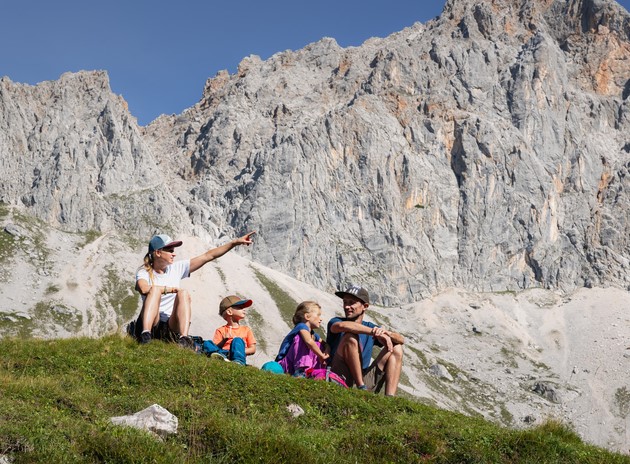
Source:Source:https://www.cruisedirect.com
Picture this: You are two miles into an alpine trail, surrounded by towering pine trees and majestic mountain peaks. But instead of soaking in the serene wilderness, you are carrying two backpacks, trying to bribe a tearful seven-year-old with melted chocolate, while your teenager marches fifty yards ahead in moody silence.
Over my ten-plus years of hitting trails across six continents, I have seen this exact scenario play out on almost every continent. The truth is, getting multi-generational groups into the great outdoors sounds idyllic in theory, but without proper planning, it can quickly turn into a logistical nightmare. Selecting the right family hiking trails isn’t just about picking a scenic route—it’s about understanding terrain physics, managing energy reserves, and engineering moments of shared discovery.
In this deep-dive guide, I am pulling from a decade of outdoor exploration to give you the technical insights, practical blueprints, and insider advice needed to execute unforgettable family trekking adventures.
The Physics of Family Hiking: Managing Pace and Elevation Profiles
To design a successful family trek, you have to stop planning like a solo backpacker. When you hike alone, your body adjusts naturally to terrain shifts. When hiking as a family, your group is only as fast as its slowest moving part.
Think of a family hiking group like a hybrid train: if the engine pulls too fast, the rear cars decouple or derail entirely. To keep the train running smoothly, your pacing must be governed by the person with the shortest stride or lowest stamina reserve, not the fittest adult setting the pace at the front.
+-------------------------------------------------------------------------+
|                  THE FAMILY TRAIL ENERGY ECOSYSTEM                      |
|                                                                         |
|  [ Steep Incline / Aggressive Elevation Gain ]                          |
|   └── Triggers rapid glycogen depletion & early mental resistance       |
|                                                                         |
|  [ Gradual Contour Trails with Visual Rewards ]                         |
|   └── Maintains steady heart rate + continuous dopamine engagement      |
|                                                                         |
|  [ Balanced Pacing Framework ]                                          |
|   └── 45-minute movement blocks + 15-minute hydration/snack stops       |
+-------------------------------------------------------------------------+
Key Technical Trail Metrics to Evaluate Before You Go
During my trail assessments around the globe, I look beyond simple distance metrics (miles or kilometers). When researching family-friendly routes, pay close attention to these technical parameters:
-
Elevation Profile & Gradient Percentage: A 5-kilometer trail with a flat $2\%$ gradient is a gentle walk. The same 5-kilometer trail with an $8\%$ to $12\%$ slope turns into a grueling cardiovascular climb that will exhaust young legs within 30 minutes.
-
Surface Topography & Footing Quality: Watch out for scree (loose gravel), exposed tree roots, and slick granite slabs. Smooth, dirt-packed paths or timber boardwalks allow children and grandparents to focus on their surroundings rather than constantly stressing over their foot placement.
-
Interactive Features Ratio: High-value trails feature dynamic natural elements—such as suspension bridges, shallow stream crossings, boulder scrambles, or hidden waterfalls—every 1.5 to 2 kilometers to keep young minds engaged.
World-Class Destinations for Family Hiking Trails
Finding routes that balance safety, accessibility, and jaw-dropping scenery can be challenging. Here is a curated selection of top-tier global trail hubs tailored for multi-generational hikers:
| Region / Destination | Notable Trail Systems | Terrain & Technical Profile | Best For |
| Banff National Park, Canada | Johnston Canyon, Lake Agnes Tea House | Paved boardwalks, gentle switchbacks, canyon views | First-Time Family Hikers & Multi-Generational Groups |
| The Dolomites, Italy | Tre Cime di Lavaredo Loop (Circuit) | Well-maintained dirt paths, high alpine views, hut-to-hut options | Families with Tweens & Teens Seeking Alpine Views |
| New Zealand (South Island) | Hookers Valley Track | Flat gravel tracks, sturdy swing bridges, glacier lake vistas | All Ages (Stroller-friendly in sections) |
| Utah, USA (Zion & Bryce) | Riverside Walk, Navajo Loop | Red rock canyons, paved routes, mild sandy scrambles | Active Families & Nature Photography Enthusiasts |
Tactical Execution: Blueprint for a Stress-Free Day on the Trail
Great family hikes don’t happen by luck; they are engineered through smart logistics. Here is the operational framework I use when leading family groups into the wilderness.
1. The 45/15 Micro-Rest Cadence
Never push children or beginner hikers to the point of total physical exhaustion. Implement the 45/15 Rule: hike at a steady, conversational pace for 45 minutes, then take a mandatory 15-minute break. Use this pause for hydration, high-protein fuel, and layer management.
2. Gamify the Trail Experience
Children don’t process scenery the same way adults do; they need active engagement. Turn trail navigation into a game:
-
The Trail Leader Rotation: Appoint a junior hiker as the designated “Trail Captain” for 30 minutes, responsible for spotting trail markers and leading the pace.
-
The Micro-Bio Challenge: Challenge hikers to spot three different types of moss, unique bird calls, or alpine wildflowers along a specific stretch.
+-------------------------------------------------------------------------+
|                  OPTIMAL DAILY HIKING ITINERARY                         |
|                                                                         |
|  08:00 - 08:30 | Trailhead Arrival (Beat heat, crowds, & parking congestion)|
|  08:30 - 10:30 | Morning Ascent Block (High energy, cool temperatures)  |
|  10:30 - 11:30 | Destination Feature Stop (Waterfall/Vista snack break)  |
|  11:30 - 13:00 | Return Descent / Loop Completion                        |
|  13:30 - 15:00 | Post-Hike Meal & Unstructured Recovery Time             |
+-------------------------------------------------------------------------+
Expert Advice: Tips Pro & Hidden Pitfalls
Stepping onto mountain trails requires proper respect for nature’s volatility. Keep these practical guidelines in mind before tying your boot laces.
Pro Tips for Family Trekking
-
Invest in Proper Footwear and Socks: Never let family members hike in brand-new street sneakers or thin cotton socks. Equip everyone with broken-in trail runners or light hiking shoes paired with moisture-wicking merino wool socks to prevent painful blisters.
-
Master the Layering System: Mountain weather changes rapidly. Pack three lightweight layers for every family member: a moisture-wicking base layer (synthetic or wool), an insulating mid-layer (fleece or down), and a waterproof/windproof outer shell.
-
Pack Double the Water You Expect to Use: Dehydration is the leading cause of trail fatigue and altitude headaches. Plan for at least 0.5 liters of water per person per hour of hiking, and carry electrolyte tablets to replenish lost minerals.
Hidden Pitfalls to Avoid
Warning: Never rely on mobile phone coverage for digital trail maps in remote wilderness areas. Cell signals drop frequently in mountain canyons. Always download offline topographical maps (via apps like AllTrails or Gaia GPS) and carry a printed paper map of the trail system.
-
Ignoring Turn-Back Times: Establish a strict, non-negotiable “turn-back time” before starting your hike (e.g., 1:00 PM regardless of how close you are to the summit or waterfall). This ensures you return to the trailhead long before daylight fades or afternoon storms hit.
-
Carrying Unbalanced Packs: If teenagers or children are carrying their own daypacks, ensure the weight does not exceed $10\%\text{ to }15\%$ of their body weight. Overloading young hikers causes shoulder strain, spinal misalignment, and early burnout.
-
Overlooking Wildlife and Trail Protocols: Research local wildlife guidelines (bear spray protocols, snake safety, or tick prevention) before heading out. Teach kids to respect nature by staying on designated paths and practicing Leave No Trace principles.
Final Thoughts: The Trail as a Teacher
At the end of the day, hiking with family isn’t about reaching distant summits or clocking fast kilometer times. It is about trading screen time for trail time, teaching resilience through physical effort, and sharing moments of awe when a breathtaking vista opens up through the trees.
When you step onto world-class family hiking trails with the right preparation and mindset, the trail ceases to be just a physical path—it becomes a space where lasting family bonds are forged, one step at a time.
What Is Your Family’s Favorite Trail Experience?
Have you discovered an incredible hidden trail that your family loved, or are you currently planning your very first wilderness trek together? Drop a comment below with your favorite trail stories or any questions about gear and route selection—I’d love to help you plan your next adventure!