


Through the Lens: Safari Photography Tours Worth Booking
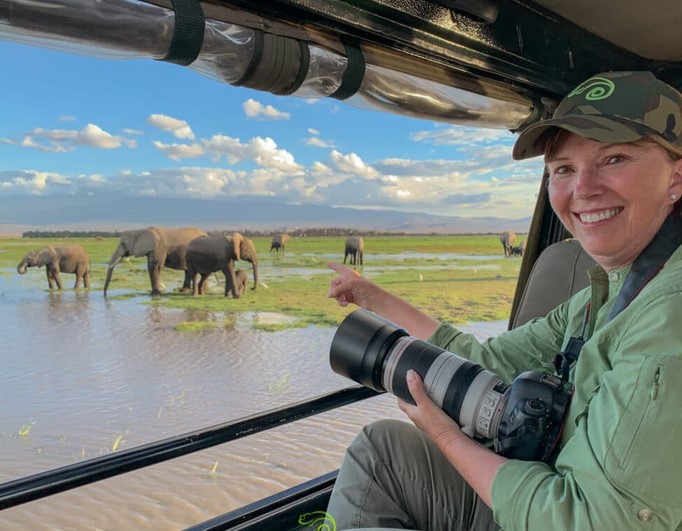
Source:https://theinsatiabletraveler.com
You are sitting in an open-top 4×4, just twenty feet away from a magnificent male lion shaking the morning dew from his mane. The golden hour light is hitting his face perfectly. Heart pounding, you raise your camera, press the shutter button, and—click—the camera hunts for focus, the shutter drags, and you end up with a blurry, overexposed image of a bush while the lion walks away.
Over my ten years of tracking wildlife across the African continent, I have seen this heartbreaking scenario play out on regular tourist game drives dozens of times. A standard holiday safari is designed for sightseers, not shooters. If you want to capture National Geographic-caliber images, you need to step away from the crowds and invest in dedicated safari photography tours.
To the untrained eye, wildlife photography looks like a game of pure luck. In reality, it is a precise blend of logistics, ballistic-like tracking knowledge, and specialized camera mastery. Let’s dive deep into what makes a photo safari worth your hard-earned money and how to choose an expedition that will elevate your portfolio from basic snapshots to breathtaking art.
The Core Technical Differences of a Dedicated Photo Safari
Think of a standard holiday safari like riding a public city bus—it operates on a fixed route, stops briefly at major landmarks, and moves on regardless of whether you got your perfect shot. A premium photo safari, on the other hand, is like hiring a private stunt driver who positions the vehicle exactly where the action is, angles it for the best lighting, and waits patiently until you say “cut.”
Custom Vehicle Modifications: Your Mobile Studio
When booking specialized safari photography tours, the magic starts with the vehicle itself. Standard vehicles cram up to nine people across three rows of tiered seating, blocking your view.
True photography vehicles are modified to hold a maximum of three to four photographers per vehicle—guaranteeing every person an unobstructed window seat. They feature low-angled shooting hatches, fold-down side panels that allow you to get eye-level with predators, and integrated gimbal heads or beanbag mounts to stabilize massive telephoto lenses.
The Power of Photographic Guides
The most critical asset on a photo tour isn’t the vehicle; it’s the person behind the wheel. Standard safari guides are excellent at spotting animals and naming birds.
A specialized photographic guide understands the mechanics of light. They know how to position the vehicle so the sun is directly behind your shoulder for front-lit detail, or directly behind the animal for dramatic rim-lighting. They can anticipate animal behavior, meaning they will park the vehicle ahead of a moving cheetah, giving you the time to dial in your settings before the hunt begins.
Top Safari Corridors Built for Wildlife Photographers
While wildlife is unpredictable, certain destinations offer distinct geological and infrastructural advantages that make them absolute goldmines for camera operators.
+--------------------+------------------------------------+------------------------------------+
| Destination        | Target Wildlife Focus              | Key Photographic Advantage         |
+--------------------+------------------------------------+------------------------------------+
| Mashatu, Botswana  | Elephants, Leopards, Apex Predators| Underground hide photography       |
+--------------------+------------------------------------+------------------------------------+
| Maasai Mara, Kenya | Big Cats & The Great Migration     | Open plains, off-roading freedom   |
+--------------------+------------------------------------+------------------------------------+
| Chobe River,       | Aquatic Birds, Hippo Pods,         | Custom flat-bottom boat gimbals    |
| Namibia/Botswana   | Swimming Elephants                 |                                    |
+--------------------+------------------------------------+------------------------------------+
1. Mashatu Game Reserve, Botswana (The Hide Photography Haven)
Mashatu is world-renowned for its sunken elephant hides. These are structurally reinforced, underground shipping containers buried right at the edge of active waterholes.
Sitting in these hides puts your lens literally at ground level, looking up at an eight-ton elephant just feet away. This extreme low-angle perspective creates an incredible sense of scale and intimate depth of field that you simply cannot replicate from the seat of a traditional vehicle.
2. The Maasai Mara, Kenya (The Classic Savanna Horizon)
The Mara offers wide-open, unobstructed grasslands that serve as a clean, minimalist canvas for your images. Because there is minimal thick bush, it is the perfect training ground for intermediates to practice action panning shots and tracking high-speed hunts.
When choosing a tour operator here, look for those based in private conservancies rather than the main national reserve. Private conservancies grant your driver the legal right to go off-roading, allowing you to follow a leopard into a dry riverbed rather than watching helplessly from a paved tarmac road.
Dialing in Your Gear: The Safari Technical Toolkit
You do not need a $20,000 budget to shoot an incredible safari, but you do need to understand how to optimize the gear you currently own.
Mastering the Dual-Body Setup
Dust on the savanna is brutal. If you try to swap lenses in the middle of a dusty game drive to switch from a distant lion to a close-up bird, you will ruin your camera’s image sensor.
The pro standard is to travel with two camera bodies. Keep a long telephoto lens (such as a 100-400mm or 200-600mm) fixed to your primary body for long-range action. On your secondary body, mount a versatile mid-range zoom (like a 24-70mm or 70-200mm) to capture environmental landscapes, wider animal groups, and sudden close-encounters next to the vehicle.
Understanding Camera Settings for Dynamic Action
Wildlife moves fast, and light changes rapidly. To ensure sharp images, configure your camera to these base settings before leaving camp:
-
Drive Mode: Continuous High (Burst Mode) to capture the split-second splash of a crocodile strike.
-
Autofocus Mode: Continuous AF (AI Servo) paired with Animal Eye-Tracking to lock focus on the eyes, not the nose.
-
Minimum Shutter Speed: At least 1/1000s for resting animals, and up to 1/2500s or faster to freeze a bird in flight or a sprinting cheetah.
     ⚠️ THE HIDDEN WARNING: THE WEIGHT LIMIT PITFALL
     Many beginner photographers pack their heavy hard-case rollers full of glass
     lenses only to get turned away at the airport gate. Most premier safari photography
     tours rely on small, regional bush planes to hop between remote dirt airstrips.
     These planes have strict weight limits (often a hard cap of 15kg / 33lbs total)
     and require soft-sided duffel bags because rigid suitcases will not fit into the
     cargo pods. Always read your tour's aviation fine print.
Ethical Wildlife Photography: Respecting the Subject
As visual storytellers, our first responsibility is to the well-being of the animals. The rise of social media pressure has unfortunately caused some unethical operators to crowd around predators, blocking their hunting paths or stressing out mothers with young cubs.
How to Vet an Ethical Operator
Before booking any safari photography tours, ask the operator about their ethical guidelines. A responsible company will enforce a strict distance policy, turn off engines when close to an animal to reduce noise pollution, and never use artificial distress calls or bait to lure predators out of hiding. True luxury photography is about patience, stealth, and capturing authentic wild behavior without altering it.
Capture the Wild Forever
Investing in a dedicated photo safari is an immersive masterclass that completely transforms the way you see light, composition, and nature. By prioritizing uncrowded vehicles, expert photographic guides, and proper gear preparation, you set yourself up to bring home images that evoke the true, untamed spirit of the wild.
Are you getting ready to pack your camera bags for your very first African expedition, or are you trying to decide which lens to bring along on your next trip? Drop your gear questions or your bucket-list destinations in the comments below, and let’s get you ready for the field!