


Art in the Village: Cultural Craft Communities to Explore
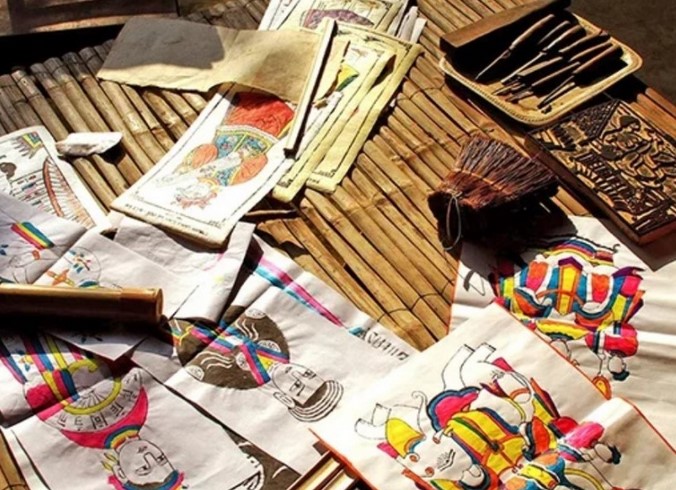
Source:https://culturephamtravel.com
You enter a sunlit courtyard in a remote valley, watching an elderly artisan spin raw silk threads onto a wooden spindle that has been passed down through four generations. Intrigued by the gorgeous, intricate textile hanging on the wall, you check the price tag—it is a mere $20 USD. You happily pay, thinking you’ve secured an authentic piece of local heritage, only to find out later from a local guide that it was actually a synthetic, machine-made imitation imported from a mass-production factory thousands of miles away.
Over my ten years of navigating global creative hubs, I have witnessed this exact heartbreak break the hearts of hundreds of well-meaning travelers. In our race to consume culture, the travel industry has commercialized art, frequently replacing authentic heritage with mass-produced souvenirs. Finding and engaging with genuine cultural craft villages is an incredible way to travel sustainably, but it requires a discerning eye, a bit of cultural humility, and an understanding of preservation logistics.
Let’s pull back the curtain on how to identify true artisanal collectives, explore the world’s most vibrant craft corridors, and learn how to buy art responsibly.
What Defines a True Artisanal Collective?
To understand how these communities operate, think of a genuine craft village like a living ecosystem. The art form isn’t just a product; it’s an extension of the local geography. The clay comes from the nearby riverbed, the dyes are boiled from indigenous roots, and the patterns tell the oral history of the community’s ancestors.
The Geography of Material Culture
Authentic cultural craft villages almost always develop around specific raw materials. For example, a village tucked into a bamboo forest will naturally evolve into a basketry or paper-making hub, while a settlement near rich volcanic clay deposits will become a pottery center.
When you visit a real heritage community, the production process is decentralized. You won’t find a single massive factory. Instead, you will see a network of home-based workshops where extended families collaborate, dividing labor based on generations of specialized knowledge.
The Technical Markers of Authenticity
If you want to distinguish a thriving creative hub from a tourist trap masquerading as one, look for these specific indicators:
-
Raw Material Storage: Legitimate workshops will have piles of raw clay, bundles of untreated wicker, or vats of natural fermenting indigo visible on the property.
-
Irregular Masterpieces: Handcrafted goods possess subtle, beautiful imperfections—slight variations in dye saturation or minor structural asymmetries that a machine cannot replicate.
-
An Open-Door Workflow: True master artisans are usually proud to show you their workspace, explain their tools, and demonstrate their firing, weaving, or carving techniques without immediately pressuring you to buy.
Global Craft Corridors Every Traveler Should Visit
While traditional craftsmanship exists globally, certain regions have preserved their creative infrastructure beautifully, creating perfect routes for slow, culturally immersive travel.
+-------------------+-----------------------------------+-----------------------------------+
| Region/Village    | Primary Craft Specialization      | Heritage Status & Materials       |
+-------------------+-----------------------------------+-----------------------------------+
| Southeast Asia    | Ikat Weaving & Natural Indigo     | Backstrap looms, organic cotton   |
|                   | Dyeing                            |                                   |
+-------------------+-----------------------------------+-----------------------------------+
| Mesoamerica       | Backstrap Loom Textiles & Cochineal| Hand-spun wool, insect-based red   |
|                   | Dyeing                            | pigments                          |
+-------------------+-----------------------------------+-----------------------------------+
| North Africa      | Terracotta Pottery & Zellij Tiles  | Wood-fired kilns, local river clay|
+-------------------+-----------------------------------+-----------------------------------+
The Textile Hubs of Mesoamerica and Southeast Asia
From the high-altitude Andean communities of Peru to the quiet river villages of Laos, traditional weaving remains a pillar of identity. In these cultural craft villages, women use ancient backstrap looms to create complex geometric patterns.
The color palettes are often a masterclass in organic chemistry. Artisans extract deep blues from fermented indigo leaves, brilliant yellows from marigold blossoms, and rich crimsons from crushed cochineal insects.
The Pottery and Ceramic Centers of North Africa
Stepping into a historic ceramic community, such as those found in Morocco or Uzbekistan, is like walking into a living museum. Master potters still throw heavy river clay on manual kick-wheels, shaping elegant vessels that are later baked in massive, wood-fired brick kilns. The intricate glazing work requires a steady hand and decades of practice, using copper for green hues and cobalt for that iconic, striking blue.
The Economics of Craft Travel: Ethical Purchase Guidelines
When you buy a piece of art directly from a village workshop, you aren’t just purchasing a souvenir; you are directly funding cultural preservation and rural economic development. However, your purchasing habits must be intentional to prevent exploitation.
Deconstructing the Fair Trade Model
Many shops claim to follow “Fair Trade” principles, but as an independent traveler, you can verify this yourself. Ask the shop manager what percentage of the sale price goes directly to the individual artisan who created the piece. In a truly ethical collective or cooperative system, the majority of the proceeds should return to the makers, providing them with a sustainable livelihood that incentivizes them to teach the craft to the younger generation.
The Nuances of Bargaining
In many traditional marketplaces, bargaining is an expected social dance. However, when visiting independent cultural craft villages, you must adjust your approach.
A Guide to Respectful Commerce: Never aggressively haggle an artisan down to their absolute bottom line just to save a couple of dollars. A fair negotiation should feel like a polite conversation where both parties walk away feeling respected. Consider the hours, days, or sometimes weeks of physical labor that went into making that single item before asking for a steep discount.
     💡 PRO-TIP FOR EXAMINING TEXTILES:
     To test if a textile is made of genuine silk or wool rather than synthetic polyester,
     ask the artisan for a tiny scrap of loose thread and perform a "burn test." Real silk
     or wool will burn slowly, smell like burnt hair, and leave behind a crumbly ash.
     Synthetic fibers will melt quickly, smell like sweet chemicals, and harden into a
     solid plastic bead.
Avoiding Hidden Pitfalls: The Danger of “Staged Heritage”
As experiential travel becomes more popular, some large tour operators have begun organizing trips to “staged” villages. These are artificially constructed environments where performers wear traditional costumes solely for photo opportunities, returning to modern clothes as soon as the tour buses leave.
How to Bypass the Staged Tour Traps
To experience true community-based tourism, avoid booking mass commercial day tours from major resort cities. Instead, hire an independent local guide who speaks the regional dialect, or use public transport to head deep into rural areas independently. Spend a night or two at a local guesthouse near the creative hub; this gives you the time to wander the neighborhood early in the morning when the community is working for themselves, not for an audience.
Preserving the World’s Creative Soul
Exploring cultural craft villages offers a rare window into the artistic heritage of humanity. By taking the time to seek out authentic workshops, learning the technical stories behind the materials, and participating in ethical commerce, you become an active partner in keeping ancient traditions alive. The art pieces you bring home will carry a living history, reminding you of the human hands, smiles, and stories that shaped them.
Have you ever visited an authentic craft community that completely changed the way you look at art? Or are you currently planning an immersive itinerary for your next trip? Drop your thoughts and experiences in the comments below, and let’s keep the conversation going!