







Belgian Last Names: Unveiling Belgian Heritage

Source : https://surnames.behindthename.com
Belgium is a small country with a rich and diverse history. Its people have a unique culture and heritage that is reflected in their last names. Belgian last names are often derived from the language, religion, and region of origin. They can also be indicative of a family’s occupation or social status. In this article, we will explore the history and meaning behind some of the most common Belgian last names, providing insight into the country’s past and its people’s heritage.
Exploring the Origins of Belgian Last Names: Tracing the Roots of Belgian Heritage
Belgium is a small country with a rich and diverse history. Its people have a long and proud heritage, and many of them have last names that reflect their ancestry. In this article, we will explore the origins of Belgian last names and trace the roots of Belgian heritage.
Belgium is a country with a long and complex history. It has been inhabited by many different peoples over the centuries, including the Celts, the Romans, the Franks, and the Burgundians. As a result, many of the last names in Belgium have their roots in these ancient cultures.
The most common type of Belgian last name is derived from the French language. These names often end in “-eau” or “-el” and are usually derived from a place name or a profession. For example, the name “Dupont” is derived from the French word for bridge, and “Lefebvre” is derived from the French word for blacksmith.
Other common Belgian last names are derived from Germanic languages. These names often end in “-er” or “-en” and are usually derived from a place name or a profession. For example, the name “Schmidt” is derived from the German word for smith, and “Bauer” is derived from the German word for farmer.
Finally, some Belgian last names are derived from Dutch. These names often end in “-en” or “-s” and are usually derived from a place name or a profession. For example, the name “Van der Meer” is derived from the Dutch word for lake, and “Van den Berg” is derived from the Dutch word for mountain.
By tracing the roots of Belgian last names, we can gain insight into the history and culture of the country. From the French, Germanic, and Dutch influences, we can see how the people of Belgium have been shaped by their past. We can also gain a better understanding of the diversity of the Belgian people and their unique heritage.
Investigating the Meaning Behind Belgian Last Names: Uncovering the Significance of Family Names in Belgium
Belgium is a small country located in Western Europe, and it is home to a diverse population of people with a variety of cultural backgrounds. As a result, the country has a wide range of last names, each with its own unique meaning and history. In this article, we will explore the significance of Belgian last names and uncover the stories behind some of the most common family names in the country.
Belgian last names are often derived from the language of the region in which the family originated. For example, the name “Van den Berg” is derived from Dutch and means “from the mountain.” Similarly, the name “De Vos” is derived from French and means “fox.” These names often reflect the geographical location of the family’s origin, such as a mountain or a river.
In addition to geographical origins, Belgian last names can also be derived from occupations. For example, the name “Baker” is derived from the English word for “baker” and indicates that the family was likely involved in the baking profession. Similarly, the name “Vandenbroucke” is derived from the Dutch word for “butcher” and indicates that the family was likely involved in the butchering profession.
Belgian last names can also be derived from personal characteristics. For example, the name “Lambert” is derived from the Germanic word for “bright” and indicates that the family was likely known for their intelligence or wit. Similarly, the name “De Smet” is derived from the Dutch word for “wise” and indicates that the family was likely known for their wisdom.
Finally, Belgian last names can also be derived from religious affiliations. For example, the name “Van der Heyden” is derived from the Dutch word for “of the Lord” and indicates that the family was likely of the Christian faith. Similarly, the name “De Vos” is derived from the French word for “of the fox” and indicates that the family was likely of the Jewish faith.
In conclusion, Belgian last names are often derived from the language of the region in which the family originated, their occupation, personal characteristics, or religious affiliations. By understanding the meaning behind these names, we can gain insight into the history and culture of the Belgian people.
Conclusion
Belgian last names are a reflection of the country’s rich and diverse history. From French, Dutch, German, and other European influences, Belgian last names are a testament to the country’s unique cultural heritage. They are also a reminder of the many different cultures that have shaped the country over the centuries. By understanding the origins of Belgian last names, we can gain a better appreciation of the country’s past and its people.
Outdoor Adventures for All Ages: Family-Friendly Activities in Nature

Source: runwildmychild.com
Exploring the Great Outdoors: Tips for Planning a Fun and Safe Adventure for All Ages
Exploring the great outdoors is a wonderful way to spend time with family and friends. Whether you’re planning a day trip or a longer excursion, there are a few tips to keep in mind to ensure a fun and safe adventure for all ages.
First, it’s important to plan ahead. Research the area you’ll be visiting and familiarize yourself with the terrain, weather conditions, and any potential hazards. Make sure to check for any restrictions or permits that may be required. Also, be sure to bring the necessary supplies, such as food, water, and first aid supplies.
Second, dress appropriately for the weather and terrain. Wear layers of clothing to stay warm and dry, and wear sturdy shoes with good traction. Bring a hat, sunglasses, and sunscreen to protect yourself from the sun.
Third, be aware of your surroundings. Pay attention to any potential hazards, such as steep cliffs, slippery rocks, or wild animals. If you’re hiking, stay on the designated trails and be aware of your footing.
Fourth, stay together. Make sure everyone in your group is aware of the plan and sticks together. If you’re separated, make sure to have a designated meeting spot.
Finally, be prepared for emergencies. Bring a first aid kit and a cell phone with a fully charged battery. Make sure to have a plan in place in case of an emergency.
By following these tips, you can ensure a fun and safe adventure for all ages. With a little bit of planning and preparation, you can make the most of your time outdoors and create lasting memories.
Making the Most of Nature: Ideas for Outdoor Activities for All Ages and Abilities
Outdoor activities are a great way to enjoy nature and get some exercise. Whether you’re looking for something to do with the whole family or just a few friends, there are plenty of activities that can be enjoyed by people of all ages and abilities. Here are some ideas to get you started.
Hiking: Hiking is a great way to explore nature and get some exercise. There are trails of all levels of difficulty, so you can find one that’s suitable for everyone. Make sure to bring plenty of water and snacks, and wear appropriate clothing and footwear.
Camping: Camping is a great way to get away from it all and enjoy the outdoors. You can camp in a tent, RV, or cabin, depending on your preference. Make sure to bring all the necessary supplies, such as food, water, and camping gear.
Fishing: Fishing is a great way to relax and enjoy nature. You can fish from a boat, pier, or shoreline. Make sure to bring the necessary supplies, such as bait, tackle, and a fishing license.
Birdwatching: Birdwatching is a great way to observe nature and learn about different species of birds. Make sure to bring binoculars and a bird guide to help you identify the birds you see.
Geocaching: Geocaching is a great way to explore nature and have some fun. You can use a GPS device to find hidden caches in the area. Make sure to bring a pen and paper to record your finds.
Kayaking: Kayaking is a great way to explore rivers and lakes. Make sure to bring the necessary safety equipment, such as a life jacket and whistle.
These are just a few ideas for outdoor activities that can be enjoyed by people of all ages and abilities. With a little bit of planning and preparation, you can make the most of nature and have a great time.
Russian Subway: Navigating Moscow’s Underground
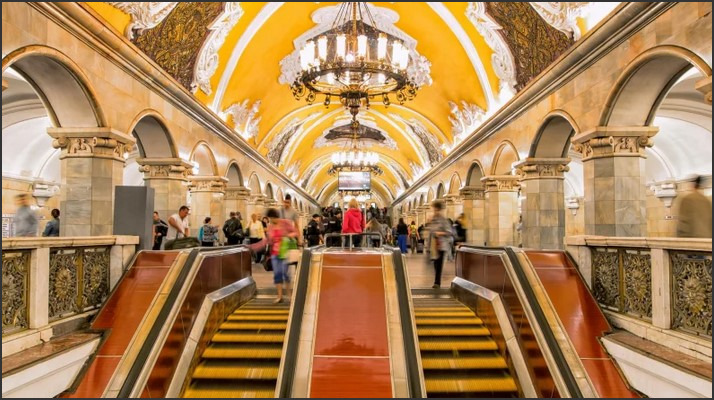
Source : https://static.ffx.io
The Russian subway is one of the most iconic and efficient public transportation systems in the world. It is the world’s second-longest metro system, with over 200 stations and more than 300 kilometers of track. It is also one of the busiest, carrying over 9 million passengers every day. Navigating the Russian subway can be a daunting task for first-time visitors, but with a little bit of knowledge and preparation, it can be a great way to explore the city. This guide will provide an overview of the Russian subway system, including information on ticketing, routes, and station amenities. With this information, you’ll be able to confidently navigate the Russian subway and make the most of your time in Moscow.
Exploring the History of the Moscow Metro: A Look at the Iconic Russian Subway System
The Moscow Metro is an iconic symbol of Russian culture and history. It is one of the world’s busiest and most efficient subway systems, carrying over nine million passengers daily. The Moscow Metro has been in operation since 1935 and has grown to become an integral part of the city’s infrastructure.
The Moscow Metro was first proposed in the early 1900s, but it wasn’t until the 1930s that the project was approved and construction began. The first line, the Sokolnicheskaya Line, opened in 1935 and was the first of its kind in the Soviet Union. The line was extended in 1938 and the second line, the Koltsevaya Line, opened in 1938.
The Moscow Metro quickly became a symbol of Soviet progress and modernity. The stations were designed to be grand and impressive, with ornate decorations and sculptures. The stations were also designed to be functional, with wide platforms and efficient escalators.
The Moscow Metro has continued to expand over the years, with new lines and stations being added. The system now consists of twelve lines and over 200 stations. The Moscow Metro is also known for its unique and iconic architecture, with many stations featuring beautiful mosaics and sculptures.
The Moscow Metro is an important part of the city’s history and culture. It is a symbol of progress and modernity, and it has become an integral part of the city’s infrastructure. The Moscow Metro is a testament to the ingenuity and hard work of the people of Moscow, and it is a reminder of the city’s rich history and culture.
Navigating the Moscow Metro: Tips and Tricks for Exploring the Russian Subway System
Exploring the Moscow Metro can be an exciting and rewarding experience. With its intricate network of stations, the Moscow Metro is one of the largest and most efficient subway systems in the world. To make the most of your journey, here are some tips and tricks for navigating the Moscow Metro.
First, familiarize yourself with the Metro map. The Moscow Metro map is divided into nine color-coded lines, each of which is identified by a number and a name. Knowing which line you need to take and which station you need to get off at will make your journey much easier.
Second, purchase a Troika card. This is a prepaid card that can be used to pay for rides on the Metro. It can be purchased at any Metro station and is valid for all forms of public transportation in Moscow.
Third, be aware of the Metro’s hours of operation. The Metro runs from 5:30am to 1:00am, with some stations closing earlier. Make sure to check the schedule before you plan your journey.
Fourth, be aware of the Metro’s safety regulations. The Metro is generally safe, but it is important to be aware of your surroundings and to keep your belongings close. Pickpockets are common, so it is best to keep your valuables in a secure place.
Finally, be aware of the Metro’s cultural norms. The Metro is a public space, so it is important to be respectful of other passengers. Loud conversations and music are not allowed, and it is considered rude to cut in line.
By following these tips and tricks, you can make the most of your journey on the Moscow Metro. With its intricate network of stations and efficient service, the Moscow Metro is an exciting and rewarding way to explore the city.
Conclusion
The Russian subway is an incredible feat of engineering and a great way to get around Moscow. It is a convenient, efficient, and affordable way to get around the city. With its extensive network of stations and lines, it is easy to get to any destination in the city. The Russian subway is a great way to explore the city and experience the culture of Moscow.
Gossip Girl Locations: Tracing the Steps of Manhattan’s Elite

Source : https://image.newyork.com.au
Gossip Girl locations: Tracing the Steps of Manhattan’s Elite is a guide to the iconic locations featured in the hit TV show Gossip Girl. From the Upper East Side to the downtown hotspots, this guide will take you on a journey through the world of Manhattan’s elite. From the steps of the Met to the steps of the Empire State Building, you’ll get to explore the places where the characters of Gossip Girl lived, worked, and played. Whether you’re a fan of the show or just curious about the city, this guide will give you an inside look at the places that made Gossip Girl so popular.
Exploring the Iconic Gossip Girl Locations: A Tour of Manhattan’s Elite Hotspots
The hit television series Gossip Girl has captivated audiences for years with its depiction of the glamorous lives of Manhattan’s elite. From the Upper East Side to the downtown hotspots, the show has featured some of the most iconic locations in the city. For those looking to explore the world of Gossip Girl, here is a tour of some of the most iconic locations featured in the show.
The first stop on the tour is the Metropolitan Museum of Art, which is featured in the opening credits of the show. This iconic museum is home to some of the world’s most renowned works of art and is a must-see for any Gossip Girl fan.
Next, head to the Upper East Side to explore the world of the show’s main characters. The iconic steps of the Metropolitan Museum of Art are featured in many episodes, as well as the exterior of the fictional Constance Billard School for Girls. The steps of the Met are also a popular spot for the characters to meet up and gossip.
Continue the tour with a visit to the iconic Waldorf Astoria Hotel. This luxurious hotel is featured in many episodes and is the home of the show’s main character, Blair Waldorf. The hotel is also the site of many of the show’s most memorable events, such as Blair’s wedding.
Next, head downtown to explore the world of the show’s other main characters. The exterior of the fictional Columbia University is featured in many episodes, as well as the exterior of the fictional nightclub, Victrola. The nightclub is a popular spot for the characters to meet up and gossip.
Finally, end the tour with a visit to the iconic Central Park. This iconic park is featured in many episodes and is a popular spot for the characters to meet up and gossip.
Whether you’re a fan of the show or just looking to explore some of Manhattan’s most iconic locations, this tour of Gossip Girl’s hotspots is sure to be a memorable experience. From the Upper East Side to downtown, explore the world of Gossip Girl and experience the glamour of Manhattan’s elite.
Revisiting Gossip Girl’s Most Memorable Locations: A Look at the Upper East Side’s Finest
The Upper East Side of Manhattan is home to some of the most iconic locations in the hit television series Gossip Girl. From the steps of the Metropolitan Museum of Art to the hallowed halls of the Constance Billard School for Girls, these locations have become synonymous with the show and its characters.
The Metropolitan Museum of Art is one of the most recognizable locations in Gossip Girl. It is the site of many of the show’s most memorable scenes, including the infamous kiss between Blair and Chuck on the museum steps. The museum is also the site of the annual Cotillion Ball, a major event in the show’s plot.
The Constance Billard School for Girls is another iconic location in Gossip Girl. It is the school attended by the show’s main characters, and is the site of many of their most dramatic moments. From Blair’s coronation as Queen of the Constance Billard School to the epic showdown between Blair and Jenny, the school is a major part of the show’s plot.
The Palace Hotel is another important location in Gossip Girl. It is the site of many of the show’s most glamorous events, including the annual Snowflake Ball. The hotel is also the site of the show’s most dramatic moments, including the reveal of Gossip Girl’s identity.
The Empire Hotel is another iconic location in Gossip Girl. It is the site of many of the show’s most romantic moments, including the kiss between Dan and Serena on the hotel’s rooftop. The hotel is also the site of the show’s most dramatic moments, including the reveal of Chuck’s true identity.
The Upper East Side of Manhattan is home to some of the most iconic locations in Gossip Girl. From the steps of the Metropolitan Museum of Art to the hallowed halls of the Constance Billard School for Girls, these locations have become synonymous with the show and its characters. Whether it’s a romantic moment or a dramatic reveal, these locations have become part of the show’s legacy.
Conclusion
Gossip Girl locations: Tracing the Steps of Manhattan’s Elite is a great way to explore the city and get a glimpse into the lives of the elite. From the Upper East Side to the Financial District, the locations featured in the show provide a unique insight into the world of the privileged. Whether you’re a fan of the show or just looking for a fun way to explore the city, Gossip Girl locations: Tracing the Steps of Manhattan’s Elite is a great way to experience the city like never before.
LifeStraw Saltwater: A Revolutionary Water Purification Tool

Source : https://snarkynomad.com
LifeStraw saltwater is a revolutionary water purification tool that is revolutionizing the way people access clean drinking water. This innovative tool uses a patented filtration system to remove 99.99% of bacteria, viruses, and other contaminants from saltwater, making it safe to drink. LifeStraw saltwater is a great solution for those who live in areas with limited access to clean drinking water, as well as for those who are looking for a convenient and affordable way to purify their own water. With its easy-to-use design and advanced filtration technology, LifeStraw saltwater is a must-have for anyone looking to ensure they have access to clean drinking water.
How LifeStraw Saltwater is Revolutionizing Water Purification: A Look at the Benefits and Advantages
LifeStraw saltwater is revolutionizing the way we purify water. This innovative product is designed to make it easier and more efficient to turn saltwater into safe drinking water. It is a game-changer for those who live in coastal areas or who are travelling in remote locations.
LifeStraw saltwater works by using a process called reverse osmosis. This process involves pushing saltwater through a semi-permeable membrane, which filters out the salt and other contaminants. The result is clean, safe drinking water.
The benefits of LifeStraw saltwater are numerous. First, it is incredibly efficient. It can turn up to 4,000 liters of saltwater into safe drinking water, making it ideal for those who need to purify large amounts of water. It is also incredibly easy to use. All you need to do is fill the container with saltwater and let the filter do the rest.
Another advantage of LifeStraw saltwater is that it is incredibly affordable. It is much cheaper than other water purification systems, making it accessible to those who may not be able to afford more expensive options.
Finally, LifeStraw saltwater is incredibly durable. It is designed to last for up to five years, making it a great long-term investment.
Overall, LifeStraw saltwater is revolutionizing the way we purify water. It is efficient, easy to use, affordable, and durable, making it an ideal choice for those who need to purify large amounts of saltwater.
Exploring the Science Behind LifeStraw Saltwater: How It Works to Purify Seawater for Drinking
LifeStraw saltwater is a revolutionary device that can turn seawater into safe drinking water. This innovative technology is based on a simple yet effective filtration process that removes harmful bacteria, viruses, and other contaminants from seawater.
The LifeStraw saltwater works by using a combination of filtration and reverse osmosis. The filtration process begins with a hollow fiber membrane that is designed to remove particles larger than 0.2 microns. This membrane acts as a physical barrier, trapping particles such as bacteria, viruses, and other contaminants. The reverse osmosis process then takes place, which uses pressure to force the water through a semi-permeable membrane. This membrane is designed to remove dissolved salts and other impurities from the water.
The LifeStraw saltwater also uses a carbon filter to remove chlorine, pesticides, and other chemicals from the water. This filter is designed to reduce the taste and odor of the water, making it more palatable.
The LifeStraw saltwater is an effective and efficient way to purify seawater for drinking. It is easy to use and requires no electricity or additional equipment. This makes it an ideal solution for those who are in need of safe drinking water in remote areas or during emergencies.
The LifeStraw saltwater is a revolutionary device that can turn seawater into safe drinking water. It uses a combination of filtration and reverse osmosis to remove harmful bacteria, viruses, and other contaminants from the water. It also uses a carbon filter to reduce the taste and odor of the water, making it more palatable. This device is an effective and efficient way to purify seawater for drinking, and it is easy to use and requires no additional equipment.
Conclusion
LifeStraw saltwater is a revolutionary water purification tool that has the potential to revolutionize the way we access clean drinking water. It is a simple, cost-effective, and sustainable solution to the global water crisis. With its ability to filter out 99.99% of bacteria, viruses, and other contaminants, it can provide safe drinking water to people in remote areas and those affected by natural disasters. LifeStraw saltwater is a powerful tool that can help to improve the lives of millions of people around the world.
Best Airports for Layovers: Making the Most of Your Transit
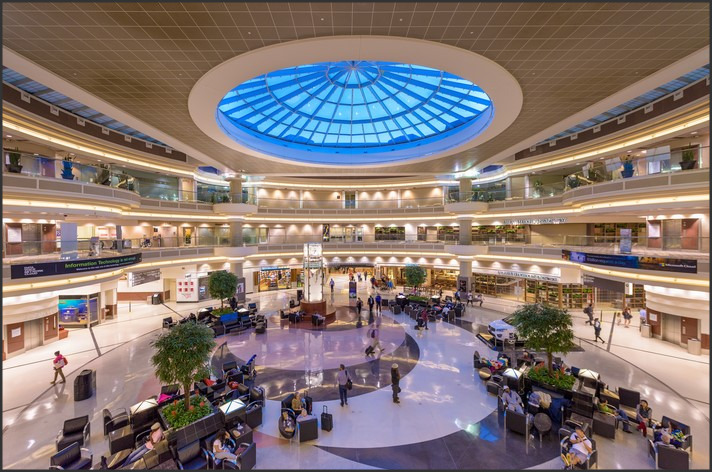
Source : https://api.time.com
Are you looking for the Best airports for layovers? Whether you’re a frequent traveler or just taking a one-time trip, having a layover can be a great way to break up a long flight. But not all airports are created equal when it comes to layovers. Some airports offer more amenities and services than others, making them ideal for a layover. In this article, we’ll discuss the Best airports for layovers and how to make the most of your transit. We’ll cover everything from airport amenities to tips for making your layover as comfortable and enjoyable as possible. So, if you’re looking for the Best airports for layovers, read on!
The Top 10 Best Airports for Layovers: What to Look for and How to Make the Most of Your Transit
1. Singapore Changi Airport: Singapore Changi Airport is renowned for its world-class facilities and amenities, making it one of the Best airports for layovers. It offers a wide range of services and amenities, including free Wi-Fi, comfortable seating, a variety of restaurants and shops, and even a movie theater.
2. Incheon International Airport: Incheon International Airport is one of the busiest airports in the world and is known for its excellent service and amenities. It offers a wide range of services and amenities, including free Wi-Fi, comfortable seating, a variety of restaurants and shops, and even a spa.
3. Hong Kong International Airport: Hong Kong International Airport is one of the most popular airports for layovers. It offers a wide range of services and amenities, including free Wi-Fi, comfortable seating, a variety of restaurants and shops, and even a movie theater.
4. Amsterdam Schiphol Airport: Amsterdam Schiphol Airport is one of the busiest airports in Europe and is known for its excellent service and amenities. It offers a wide range of services and amenities, including free Wi-Fi, comfortable seating, a variety of restaurants and shops, and even a spa.
5. Dubai International Airport: Dubai International Airport is one of the busiest airports in the world and is known for its excellent service and amenities. It offers a wide range of services and amenities, including free Wi-Fi, comfortable seating, a variety of restaurants and shops, and even a movie theater.
6. Munich Airport: Munich Airport is one of the busiest airports in Europe and is known for its excellent service and amenities. It offers a wide range of services and amenities, including free Wi-Fi, comfortable seating, a variety of restaurants and shops, and even a spa.
7. Tokyo Haneda Airport: Tokyo Haneda Airport is one of the busiest airports in the world and is known for its excellent service and amenities. It offers a wide range of services and amenities, including free Wi-Fi, comfortable seating, a variety of restaurants and shops, and even a movie theater.
8. London Heathrow Airport: London Heathrow Airport is one of the busiest airports in the world and is known for its excellent service and amenities. It offers a wide range of services and amenities, including free Wi-Fi, comfortable seating, a variety of restaurants and shops, and even a spa.
9. Zurich Airport: Zurich Airport is one of the busiest airports in Europe and is known for its excellent service and amenities. It offers a wide range of services and amenities, including free Wi-Fi, comfortable seating, a variety of restaurants and shops, and even a movie theater.
10. Bangkok Suvarnabhumi Airport: Bangkok Suvarnabhumi Airport is one of the busiest airports in the world and is known for its excellent service and amenities. It offers a wide range of services and amenities, including free Wi-Fi, comfortable seating, a variety of restaurants and shops, and even a spa.
When choosing an airport for a layover, it is important to consider the services and amenities available. Look for airports that offer free Wi-Fi, comfortable seating, a variety of restaurants and shops, and even entertainment options such as movie theaters or spas. Additionally, consider the length of the layover and the airport’s proximity to your destination. To make the most of your layover, plan ahead and research the airport’s services and amenities. This will help you make the most of your transit and ensure that you have a comfortable and enjoyable experience.
How to Find the Best Airport for Your Layover: Tips for Maximizing Your Time and Comfort
Layovers can be a necessary part of travel, but they don’t have to be a hassle. With a little research and planning, you can make the most of your layover and maximize your time and comfort. Here are some tips for finding the best airport for your layover.
1. Consider the Location: When choosing an airport for your layover, consider its location. Is it close to the city you’re visiting? Is it easy to get to from your destination? Is it close to attractions or activities you’d like to explore?
2. Check the Amenities: Different airports offer different amenities. Some may have more comfortable seating, better food options, or more entertainment options. Check the airport’s website to see what amenities are available.
3. Look at the Flight Times: Make sure the flight times work for you. If you’re looking for a longer layover, make sure the flight times are spaced out enough to give you enough time to explore the airport.
4. Check the Reviews: Read reviews from other travelers to get an idea of what the airport is like. Are there any hidden gems or must-see attractions? Are there any areas to avoid?
5. Consider the Cost: Some airports may be more expensive than others. Consider the cost of the layover when making your decision.
By following these tips, you can find the best airport for your layover and make the most of your time and comfort. With a little research and planning, you can make your layover a pleasant experience.
Conclusion
Overall, the Best airports for layovers are those that offer a variety of amenities and services to make the most of your transit. From comfortable lounges to convenient transportation options, these airports provide travelers with the opportunity to make the most of their layover. Whether you’re looking for a place to relax, grab a bite to eat, or explore the city, these airports have something for everyone. With the right planning and preparation, you can make the most of your layover and have a great experience.
Arabian Peninsula Capital: Discovering the Heart of the Region
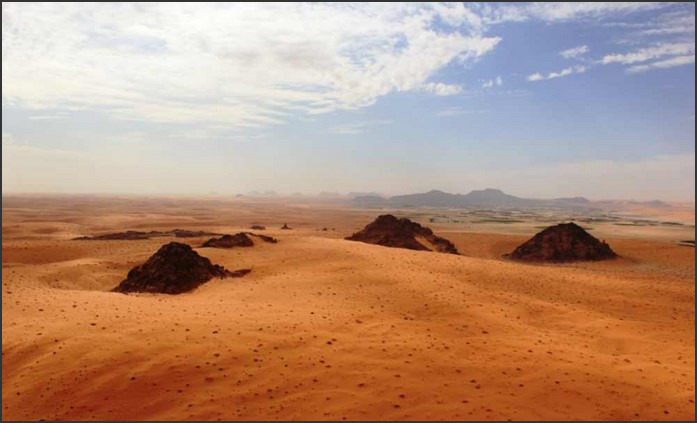
Source : https://www.ancient-origins.net
The Arabian Peninsula is a region of immense cultural and historical significance. It is home to some of the world’s oldest civilizations, and its capital cities have been the center of trade and commerce for centuries. From the ancient city of Petra in Jordan to the modern metropolis of Dubai in the United Arab Emirates, the Arabian Peninsula has something to offer everyone. In this article, we will explore the capital cities of the Arabian Peninsula and discover the heart of this fascinating region.
Exploring the Rich History of the Arabian Peninsula Capital: A Journey Through Time
The Arabian Peninsula is a region of immense historical significance, with its capital cities playing a major role in the development of the region. From the ancient cities of Dilmun and Ubar to the modern metropolises of Riyadh and Dubai, the Arabian Peninsula has seen a long and varied history. This article will explore the rich history of the Arabian Peninsula capital cities, taking a journey through time to uncover the stories of these cities and the people who have lived in them.
Dilmun, located in modern-day Bahrain, is one of the oldest cities in the region, with evidence of human habitation dating back to the 4th millennium BC. This ancient city was an important trading hub, connecting the civilizations of Mesopotamia and the Indus Valley. Dilmun was also a major religious center, with temples dedicated to the gods of Mesopotamia and the Indus Valley.
Ubar, located in modern-day Oman, is another ancient city with a long and storied history. Ubar was an important trading center, connecting the civilizations of the Arabian Peninsula with those of the Mediterranean and India. Ubar was also a major religious center, with temples dedicated to the gods of the Arabian Peninsula.
Riyadh, the capital of Saudi Arabia, is a relatively modern city, having been founded in the 18th century. Riyadh has grown to become one of the most important cities in the region, serving as the political and economic center of Saudi Arabia. Riyadh is also home to many important religious sites, including the Grand Mosque, which is the largest mosque in the world.
Dubai, the capital of the United Arab Emirates, is a modern city that has seen tremendous growth in recent years. Dubai is a major financial and business hub, with a thriving economy and a vibrant cultural scene. Dubai is also home to some of the world’s most impressive architecture, including the Burj Khalifa, the world’s tallest building.
The Arabian Peninsula capital cities have played an important role in the development of the region, and their rich histories are a testament to the people who have lived in them. From the ancient cities of Dilmun and Ubar to the modern metropolises of Riyadh and Dubai, the Arabian Peninsula has seen a long and varied history. This article has explored the rich history of the Arabian Peninsula capital cities, taking a journey through time to uncover the stories of these cities and the people who have lived in them.
Uncovering the Cultural Treasures of the Arabian Peninsula Capital: A Guide to the Region’s Most Iconic Sites
The Arabian Peninsula is home to some of the world’s most iconic and culturally significant sites. From ancient ruins to modern marvels, the region is a treasure trove of history and culture. This guide will provide an overview of the most iconic sites in the region, offering insight into their history and significance.
The ancient city of Petra in Jordan is one of the most iconic sites in the region. This ancient city was carved into the sandstone cliffs of the Jordanian desert and is believed to have been inhabited as early as 312 BC. The city is renowned for its intricate architecture, including the iconic Treasury, which is carved into the face of a cliff. Petra is a UNESCO World Heritage Site and is considered one of the most important archaeological sites in the world.
The ancient city of Palmyra in Syria is another iconic site in the region. This ancient city was once a major trading hub and is renowned for its impressive ruins, including the Temple of Bel, the Agora, and the Arch of Triumph. Palmyra is a UNESCO World Heritage Site and is considered one of the most important archaeological sites in the world.
The ancient city of Sana’a in Yemen is another iconic site in the region. This ancient city is renowned for its impressive architecture, including the Great Mosque of Sana’a, which is one of the oldest mosques in the world. Sana’a is a UNESCO World Heritage Site and is considered one of the most important archaeological sites in the world.
The modern city of Dubai in the United Arab Emirates is another iconic site in the region. This modern city is renowned for its impressive architecture, including the Burj Khalifa, the world’s tallest building, and the Palm Jumeirah, an artificial archipelago. Dubai is a modern marvel and is considered one of the most important cities in the world.
The ancient city of Muscat in Oman is another iconic site in the region. This ancient city is renowned for its impressive architecture, including the Grand Mosque of Muscat, which is one of the oldest mosques in the world. Muscat is a UNESCO World Heritage Site and is considered one of the most important archaeological sites in the world.
The Arabian Peninsula is home to some of the world’s most iconic and culturally significant sites. From ancient ruins to modern marvels, the region is a treasure trove of history and culture. This guide has provided an overview of the most iconic sites in the region, offering insight into their history and significance.
Conclusion
The Arabian Peninsula is a region of immense cultural and historical significance, and its capital cities are a testament to this. From the ancient city of Sana’a to the modern metropolis of Dubai, the capitals of the Arabian Peninsula offer a unique insight into the region’s past and present. From its vibrant markets and bustling souks to its stunning architecture and rich cultural heritage, the Arabian Peninsula is a region that is truly worth discovering.
Alone Together Antarctica 2023: A Polar Expedition

Source: quarkexpeditions.com
Alone together Antarctica 2023: A Polar Expedition is an exciting and unique opportunity to explore the world’s most remote and untouched continent. This expedition will take you on a journey of discovery and exploration, allowing you to experience the beauty and grandeur of Antarctica in a way that few have ever done before. You will be part of a small group of adventurers, travelling together in a specially designed vessel, as you explore the icy waters and rugged terrain of the Antarctic continent. Along the way, you will have the chance to observe and learn about the unique wildlife and environment of this remote region, as well as the history and culture of the people who have lived and worked in Antarctica for centuries. With the help of experienced guides and experts, you will be able to make the most of your time in this incredible place, and come away with a greater understanding of the world’s last great wilderness.
Preparing for the Alone Together Antarctica 2023 Expedition: What to Pack and How to Prepare
The Alone together Antarctica 2023 Expedition is an exciting opportunity to explore the world’s most remote continent. To ensure a successful and safe journey, it is important to be well-prepared. This guide will provide information on what to pack and how to prepare for the expedition.
What to Pack
When packing for the Alone together Antarctica 2023 Expedition, it is important to consider the extreme weather conditions. Layering is key, as temperatures can range from -20°C to 10°C. It is recommended to bring a variety of clothing items, including:
• Thermal base layers
• Waterproof and windproof outer layers
• Insulated jackets
• Hats, gloves, and scarves
• Waterproof boots
• Sun protection (sunglasses, sunscreen, etc.)
In addition to clothing, it is important to bring the necessary equipment for the expedition. This includes:
• A sleeping bag rated for temperatures below -20°C
• A tent
• A stove and fuel
• A first aid kit
• A GPS device
• A satellite phone
• A camera
• A flashlight
How to Prepare
In addition to packing the necessary items, it is important to prepare for the Alone together Antarctica 2023 Expedition. This includes:
• Researching the terrain and weather conditions of Antarctica
• Taking a wilderness first aid course
• Practicing navigation and orienteering
• Learning how to use a GPS device
• Practicing camping and survival skills
• Learning how to use a satellite phone
• Becoming familiar with the local wildlife
• Taking a course in polar photography
Conclusion
The Alone together Antarctica 2023 Expedition is an exciting opportunity to explore the world’s most remote continent. To ensure a successful and safe journey, it is important to be well-prepared. This guide has provided information on what to pack and how to prepare for the expedition. With the right preparation and equipment, you can make the most of this once-in-a-lifetime experience.
Exploring the Unknown: What to Expect on the Alone Together Antarctica 2023 Expedition
The Alone together Antarctica 2023 Expedition is an exciting opportunity for adventurers to explore the world’s most remote continent. This expedition will take you to the heart of Antarctica, where you will experience the beauty and grandeur of this unique and isolated environment.
The expedition will begin in Ushuaia, Argentina, where you will board a ship and set sail for the Antarctic Peninsula. During the voyage, you will have the opportunity to observe the wildlife and scenery of the Southern Ocean. You will also have the chance to learn about the history and culture of the region from experienced guides.
Once you arrive in Antarctica, you will be able to explore the continent on foot. You will have the opportunity to visit research stations, observe wildlife, and explore the unique landscape. You will also have the chance to take part in activities such as kayaking, mountaineering, and skiing.
Throughout the expedition, you will be accompanied by experienced guides who will provide you with safety and support. You will also have access to medical care and emergency services if needed.
The Alone together Antarctica 2023 Expedition is an incredible opportunity to explore one of the world’s most remote and beautiful places. You will have the chance to experience the unique environment of Antarctica and learn about its history and culture. With the support of experienced guides, you will be able to explore the continent safely and comfortably.
Conclusion
Alone together Antarctica 2023: A Polar Expedition is an exciting and unique opportunity to explore one of the most remote and beautiful places on Earth. It is a chance to experience the beauty of the Antarctic landscape, to learn about the unique wildlife and to gain a deeper understanding of the environment. The expedition will provide an unforgettable experience that will stay with participants for a lifetime. It is an opportunity to explore the unknown and to make a difference in the world.
Places in French: French Vocabulary for Travelers
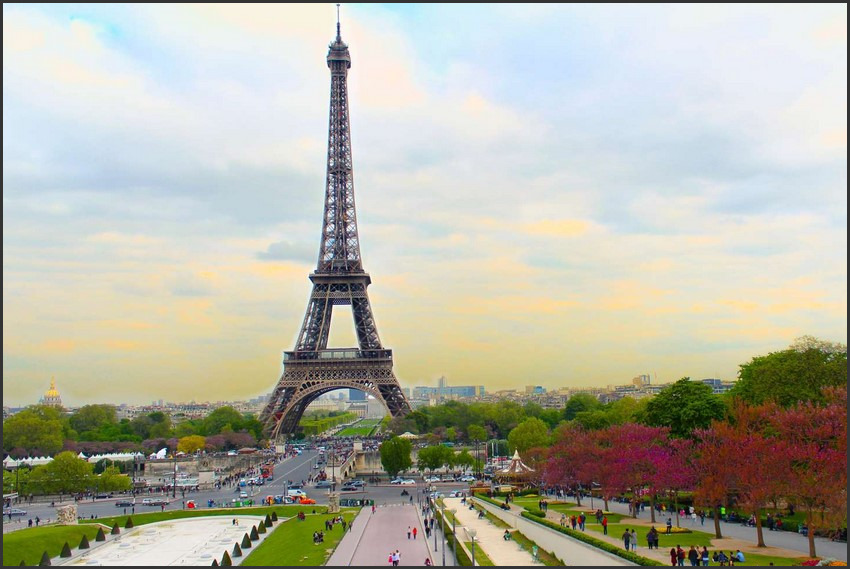
Source: travelandleisure.com
Bienvenue à tous les voyageurs! Si vous êtes à la recherche d’informations sur les lieux en France, vous êtes au bon endroit. Dans cet article, nous allons vous donner des mots et des expressions utiles pour vous aider à parler des lieux en français. Que vous soyez à la recherche d’un endroit pour manger, pour vous divertir ou pour visiter, vous trouverez ici des mots et des expressions pour vous aider à vous déplacer et à vous orienter en France. Alors, prêt à apprendre le vocabulaire des lieux en français? Allons-y!
Les principaux monuments historiques de la France: Une introduction aux sites les plus célèbres
La France est un pays riche en histoire et en culture, et ses monuments historiques sont l’un des principaux attraits pour les touristes. Ces sites sont des témoins de l’histoire et de la culture françaises, et ils sont parmi les plus célèbres et les plus visités du monde.
Le Château de Versailles est l’un des monuments historiques les plus connus de France. Construit au 17ème siècle, il était autrefois la résidence des rois de France et est aujourd’hui un site classé au patrimoine mondial de l’UNESCO. Le château est célèbre pour ses jardins, ses fontaines et ses galeries, et il est considéré comme l’un des plus beaux exemples de l’architecture baroque française.
Le Mont-Saint-Michel est un autre monument historique célèbre de France. Il est situé sur une île au large de la côte normande et est un site classé au patrimoine mondial de l’UNESCO. Le Mont-Saint-Michel est célèbre pour sa magnifique abbaye médiévale et ses remparts, qui sont considérés comme l’un des plus beaux exemples de l’architecture gothique française.
La Cathédrale Notre-Dame de Paris est l’un des monuments historiques les plus célèbres de France. Construite au 12ème siècle, elle est célèbre pour ses sculptures et ses vitraux, et elle est considérée comme l’un des plus beaux exemples de l’architecture gothique française. La cathédrale est classée au patrimoine mondial de l’UNESCO et est l’une des principales attractions touristiques de Paris.
Le Château de Chambord est l’un des plus grands châteaux de la Loire et est l’un des monuments historiques les plus célèbres de France. Construit au 16ème siècle, il est célèbre pour ses tours, ses toits et ses jardins, et il est considéré comme l’un des plus beaux exemples de l’architecture Renaissance française.
La Tour Eiffel est l’un des monuments historiques les plus célèbres de France. Construite en 1889, elle est célèbre pour sa hauteur et sa forme unique, et elle est considérée comme l’un des plus beaux exemples de l’architecture métallique française. La Tour Eiffel est l’une des principales attractions touristiques de Paris et est classée au patrimoine mondial de l’UNESCO.
Ces monuments historiques sont des témoins de l’histoire et de la culture françaises, et ils sont parmi les plus célèbres et les plus visités du monde. Ils sont des sites incontournables pour les touristes qui visitent la France et offrent une occasion unique de découvrir l’histoire et la culture françaises.
Les villes françaises les plus populaires: Une exploration des destinations les plus prisées
Les villes françaises sont connues pour leur charme et leur histoire, et elles sont devenues des destinations très populaires pour les touristes du monde entier. Dans cet article, nous allons explorer les villes françaises les plus populaires et les raisons pour lesquelles elles sont si appréciées.
Paris est sans aucun doute la ville française la plus populaire. La capitale française est connue pour ses monuments historiques, ses musées, ses cafés et ses boutiques. La Tour Eiffel, le Louvre, le Musée d’Orsay et le Centre Pompidou sont quelques-uns des sites les plus visités de la ville. Les touristes peuvent également profiter des nombreux parcs et jardins, des restaurants et des bars, ainsi que des nombreuses activités culturelles et artistiques.
Marseille est une autre ville française très populaire. La deuxième plus grande ville de France est connue pour ses plages, ses ports de pêche et ses nombreux monuments historiques. Les touristes peuvent également profiter des nombreux restaurants, des bars et des clubs de la ville. La ville est également connue pour ses nombreux festivals et événements culturels.
Lyon est une autre ville française très populaire. La troisième plus grande ville de France est connue pour ses nombreux monuments historiques, ses musées et ses galeries d’art. La ville est également connue pour ses nombreux restaurants, bars et clubs. Les touristes peuvent également profiter des nombreux parcs et jardins, ainsi que des nombreuses activités culturelles et artistiques.
Enfin, Bordeaux est une autre ville française très populaire. La ville est connue pour ses nombreux monuments historiques, ses musées et ses galeries d’art. Les touristes peuvent également profiter des nombreux restaurants, bars et clubs de la ville. La ville est également connue pour ses nombreux festivals et événements culturels.
En résumé, les villes françaises sont des destinations très populaires pour les touristes du monde entier. Paris, Marseille, Lyon et Bordeaux sont quelques-unes des villes les plus populaires de France. Chacune de ces villes offre une variété de sites historiques, de musées, de restaurants, de bars et de clubs, ainsi que de nombreuses activités culturelles et artistiques.
Conclusion
En conclusion, apprendre le vocabulaire français pour les voyageurs est une excellente façon de se préparer à un voyage en France. En connaissant les mots et expressions de base pour les lieux, vous serez en mesure de vous déplacer et de vous orienter plus facilement. De plus, vous serez en mesure de communiquer avec les habitants et de profiter pleinement de votre séjour.
Outliers Review: Exploring Malcolm Gladwell’s Bestseller

Source: yourteenmag.com
Outliers review: Exploring Malcolm Gladwell’s Bestseller is an in-depth look at the New York Times bestseller by Malcolm Gladwell. The book examines the concept of outliers, or people who have achieved extraordinary success, and the factors that contribute to their success. It looks at the stories of successful people from a variety of backgrounds and explores the common threads that link them together. It also examines the role of luck, privilege, and hard work in achieving success. This review will provide an overview of the book, its main themes, and its implications for readers.
Analyzing the Impact of Malcolm Gladwell’s Outliers: A Review of the Bestseller
Malcolm Gladwell’s Outliers: The Story of Success is a best-selling book that has had a significant impact on the way people think about success. The book examines the lives of successful people and argues that success is not simply a matter of hard work and talent, but is also a result of a combination of factors, including luck, timing, and opportunity.
Gladwell’s writing style is both informative and engaging. He uses anecdotes and stories to illustrate his points, making the book an enjoyable read. His tone is formal, but he is able to make complex concepts accessible to a wide audience.
The book has had a major impact on the way people think about success. It has challenged the notion that success is solely a result of hard work and talent, and has instead argued that success is a combination of many factors. This has led to a greater appreciation of the role of luck, timing, and opportunity in achieving success.
Gladwell’s book has also had an impact on the way people think about education. He argues that the traditional education system is not always the best way to achieve success, and that there are other paths to success that are often overlooked. This has led to a greater appreciation of alternative educational paths, such as apprenticeships and vocational training.
Overall, Malcolm Gladwell’s Outliers: The Story of Success has had a major impact on the way people think about success and education. His writing style is both informative and engaging, and his tone is formal. The book has challenged traditional notions of success and has led to a greater appreciation of the role of luck, timing, and opportunity in achieving success. It has also had an impact on the way people think about education, leading to a greater appreciation of alternative educational paths.
Examining the Themes of Success and Opportunity in Outliers: A Critical Review of Malcolm Gladwell’s Book
Malcolm Gladwell’s book Outliers: The Story of Success examines the themes of success and opportunity in a critical and thought-provoking manner. Through a series of case studies, Gladwell examines the factors that contribute to success, including hard work, opportunity, and luck. He argues that success is not simply a matter of individual effort, but rather a combination of factors that are often outside of an individual’s control.
Gladwell begins by examining the concept of “the 10,000-hour rule”, which states that it takes 10,000 hours of practice to become an expert in any field. He uses the example of the Beatles to illustrate this point, noting that the band had spent thousands of hours playing in Hamburg before they achieved success. He then goes on to discuss the importance of opportunity, noting that those who have access to resources and mentors are more likely to succeed than those who do not. He also examines the role of luck in success, noting that those who are in the right place at the right time often have an advantage over those who are not.
Gladwell’s book is an important contribution to the discussion of success and opportunity. He provides a critical examination of the factors that contribute to success, and his arguments are well-supported by evidence. He also offers a nuanced view of success, noting that it is not simply a matter of individual effort, but rather a combination of factors that are often outside of an individual’s control. By examining the themes of success and opportunity in a critical and thought-provoking manner, Gladwell’s book provides an important contribution to the discussion of success and opportunity.
Conclusion
In conclusion, Outliers: The Story of Success by Malcolm Gladwell is an insightful and thought-provoking book that explores the concept of success and how it is achieved. Through a series of case studies, Gladwell examines the various factors that contribute to success, such as hard work, opportunity, and luck. He also examines the role of culture and environment in determining success. Outliers is an engaging and informative read that will leave readers with a better understanding of the complex nature of success.