


Travel Smart: Budget Backpacker Routes Across Continents
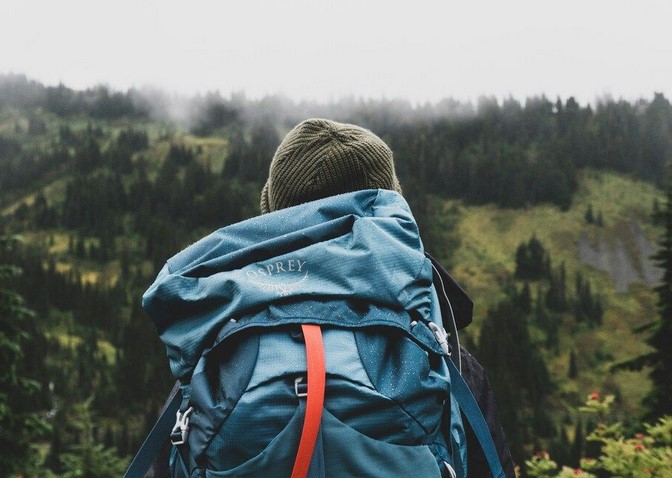
Source:https://www.weroad.com
You are sitting on a plastic stool on a bustling sidewalk, the scent of sizzling lemongrass filling the air, watching a neon-lit night market come alive. You glance at your banking app and realize you’ve spent a grand total of $12 today—including your hostel bed, three square meals, and a couple of cold local beers.
Now, flip the script. Imagine staring at a crumpled paper map in a train station, realizing you just blew half your weekly budget on a single, poorly researched high-speed rail ticket because you missed the local bus.
Over my ten years of living out of a 40-liter backpack, I have been in both scenarios more times than I care to admit. Planning a multi-country trip can feel like trying to solve a Rubik’s cube blindfolded. But backpacking successfully isn’t about having a massive bank account; it’s about understanding geography, transit infrastructure, and geo-arbitrage.
Let’s pull back the curtain on the world’s most legendary, cost-effective budget backpacker routes and how you can navigate them like a seasoned pro.
The Banana Pancake Trail: Southeast Asia’s Ultimate Proving Ground
If independent travel had a “101 university course,” it would be the Banana Pancake Trail. This classic loop through Thailand, Laos, Cambodia, and Vietnam is the absolute gold standard for beginners because the tourist infrastructure is incredibly mature, yet the cost of living remains remarkably low.
The Classic Overland Loop
The most efficient path starts in Bangkok, heads north to Chiang Mai, crosses the border into Laos via a slow boat down the Mekong River, cuts down through Cambodia (Angkor Wat), and traces the coast of Vietnam from Ho Chi Minh City up to Hanoi.
This route relies heavily on overland transit, which is the lifeblood of budget travel. Instead of booking expensive domestic flights, you utilize overnight sleeper buses and trains. Think of sleeper buses as moving hostels—they save you the cost of a night’s accommodation while simultaneously moving you closer to your next destination.
Daily Cost Breakdown (Average)
-
Hostel Dorm Bed: $5 – $9 USD per night
-
Street Food Meal: $1.50 – $3 USD
-
Local Transport (Songthaews/Buses): $2 – $5 USD
-
Daily Base Budget: $25 – $35 USD
The Gringo Trail: Navigating Central and South America
For those looking for a bit more rugged adventure, the Gringo Trail offers a spellbinding mix of colonial architecture, ancient ruins, and dramatic landscapes. However, South America is massive. Trying to conquer it all at once is like trying to eat an entire wedding cake in one bite—you will end up exhausted and broke.
The Andean Heights Route (Peru, Bolivia, and Ecuador)
To keep costs low, stick to the Andean region. A highly effective budget backpacker routes strategy here is to fly into Lima, Peru, travel south through Cusco and Lake Titicaca, cross into Bolivia to witness the surreal Salar de Uyuni (Salt Flats), and head north toward Ecuador.
+-------------------+-----------------------------------+-----------------------------------+
| Region            | Transport Focus                   | Accommodation Style               |
+-------------------+-----------------------------------+-----------------------------------+
| Southeast Asia    | Sleeper Trains & Tourist Buses    | Boutique Social Hostels           |
| Andean South Am.  | Long-Distance Public Coaches      | Family-Run Hospedajes             |
| Eastern Europe    | Budget Regional Rail & FlixBus    | Flashpacker Shared Apartments     |
+-------------------+-----------------------------------+-----------------------------------+
In this part of the world, mastering open-jaw flights (flying into one city and out of another) is crucial. It eliminates the need to backtrack thousands of miles, saving you both precious time and money.
The Eastern Bloc Explorer: Europe on a Shoestring
Many beginners assume Europe is entirely off-limits for budget travelers. If you stick to London, Paris, and Amsterdam, your wallet will indeed take a beating. But if you shift your gaze eastward, the continent opens up beautifully.
The Balkan and Central Europe Corridor
Swap Western Europe for a route that strings together Poland, Hungary, Serbia, Bosnia & Herzegovina, and Albania. You can start in Krakow, take a budget train down to Budapest, and then use regional buses to weave through the Balkans down to the stunning, affordable beaches of the Albanian Riviera.
-
Geo-arbitrage in Action: You get the same cobblestone charm, rich history, and vibrant nightlife of Western Europe, but at a fraction of the cost.
-
Transit Tip: Skip the expensive Eurail passes in Eastern Europe. The rail network here is slower, and local buses (like FlixBus) are significantly cheaper, more flexible, and often faster.
Technical Hacks to Stretch Your Travel Fund
To successfully pull off these budget backpacker routes, you need to think like a logistics manager. Here are the core technical strategies I use to keep my expenses razor-thin.
1. Optimize Your Route with Hub-and-Spoke Logistics
Instead of moving to a new hostel every single night—which drains your cash through frequent transit fees—use the Hub-and-Spoke model. Base yourself in a major, affordable transport hub (like Bangkok, Cusco, or Budapest) for a week or two. Secure a long-term hostel discount, leave your heavy bag behind, and take minimal, lightweight day trips to surrounding areas.
2. Bypass ATM Fees with Digital Banking
International transaction fees and terrible airport currency exchange rates are silent budget killers. Always travel with a debit card that offers zero foreign transaction fees and reimburses international ATM withdrawal charges. When an ATM asks whether you want to be charged in your home currency or the local currency, always choose the local currency to avoid predatory conversion rates.
     ⚠️ HIDDEN WARNING: THE "CHEAP FLIGHT" TRAP
     Budget airlines across Asia, Europe, and Latin America love to lure you in
     with $15 base fares. Don't take the bait blindly. Once you add hidden costs
     like carry-on baggage restrictions, mandatory seat selection, and the cost
     of a taxi from a secondary airport located 50 miles outside the city, that
     "cheap" flight often costs more than a comfortable train ride. Always calculate
     the total door-to-door cost before booking.
Pro-Tips for Sustaining Long-Term Travel
Embrace the Slow Travel Philosophy
Fast travel is expensive travel. Moving to a new city every two days means you are constantly paying peak walk-up prices for transport and food. When you slow down and spend a week in one place, you discover where the locals actually eat, you unlock weekly hostel rates, and you develop a deep connection to the community.
Utilize Voluntourism and Work Exchanges
If your funds are running low mid-route, look into platforms that facilitate work exchanges. Spending a few hours a day helping out at a hostel reception desk, teaching English, or working on an eco-farm in exchange for free room and board is an incredible way to freeze your expenses entirely while embedding yourself in the local culture.
The Map is Yours to Draw
At the end of the day, a budget backpacker route isn’t a rigid track etched in stone; it’s a flexible framework designed to give you maximum freedom. By understanding how to leverage regional transport, avoiding rookie tourist traps, and keeping your daily overhead low, the world becomes infinitely more accessible.
Are you planning your very first backpacking trip, or are you looking to tackle a brand-new continent? Drop your dream itinerary or your biggest budget worries in the comments below, and let’s map it out together!