


Ride the Horizon: Adventure Motorcycle Trips Worldwide
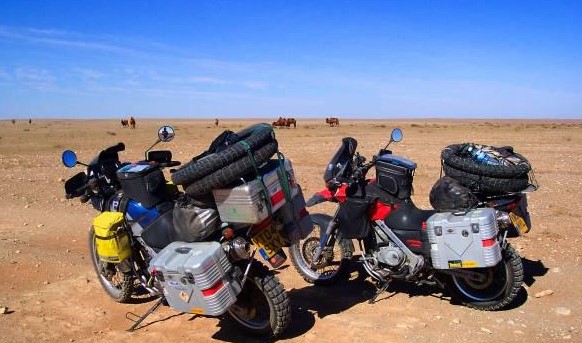
Source:https://www.horizonsunlimited.com
For travelers who crave freedom, self-reliance, and immersive exploration, few experiences rival adventure motorcycle trips. These journeys combine the thrill of two-wheeled travel with the depth of cultural discovery, allowing riders to traverse remote mountain passes, coastal highways, deserts, and forests at their own pace. Unlike conventional tours confined to buses or fixed itineraries, motorcycle expeditions offer flexibility, direct engagement with landscapes, and a heightened sense of connection to the road. As global infrastructure improves and specialized tour operators expand their offerings, adventure riding has evolved into a sophisticated segment of experiential travel. This article explores iconic destinations, planning essentials, and an innovative concept shaping the future of global motorcycle exploration.
Iconic Routes That Define the Experience
Across continents, certain roads have achieved legendary status among riders for their scenery, technical challenges, and cultural richness. These routes exemplify the spirit of long-distance motorcycle travel.
One of the most celebrated journeys is the Transfagarasan Highway in Romania. Carving through the Carpathian Mountains, this winding alpine road features dramatic switchbacks and panoramic vistas. Riders encounter tunnels, glacial lakes, and sweeping curves that test both skill and endurance.
In South America, the Carretera Austral in Chile offers rugged terrain through Patagonia’s forests, fjords, and remote villages. Gravel sections and unpredictable weather conditions make it a true adventure route.
North America’s Alaska Highway stretches from Canada into the United States, passing through vast wilderness and mountainous landscapes. Wildlife sightings, including moose and bears, add to the sense of frontier exploration.
In Asia, the Hà Giang Loop in Vietnam draws riders seeking dramatic limestone peaks and winding mountain roads. The route blends cultural encounters with ethnic minority communities and breathtaking highland scenery.
Terrain Diversity and Cultural Immersion
What distinguishes motorcycle travel from other modes of transport is its adaptability to diverse terrain. Riders can transition from paved highways to gravel tracks, desert trails, or mountain switchbacks within a single itinerary. This versatility enables access to remote villages and lesser-known attractions often inaccessible to larger vehicles.
Cultural immersion is equally significant. Stopping in small towns for local cuisine, engaging with residents at roadside markets, or navigating through historic city centers fosters authentic connections. The motorcycle becomes not just a vehicle but a bridge between landscapes and communities.
Additionally, the physical engagement required—balancing, steering, adapting to weather—intensifies sensory awareness. Riders experience changes in temperature, elevation, and terrain in real time, creating a deeper appreciation for geography and environment.
Planning and Safety Considerations
While adventure motorcycle travel offers unparalleled freedom, it requires careful preparation. Selecting the appropriate motorcycle is critical. Dual-sport and adventure-touring models are designed for mixed terrain, offering long-travel suspension, durable frames, and extended fuel capacity.
Protective gear is non-negotiable. Full-face helmets, reinforced jackets, gloves, boots, and riding pants protect against impact and weather conditions. Modern gear often integrates ventilation systems and waterproof membranes to accommodate varying climates.
Route planning involves assessing road conditions, seasonal weather patterns, and border regulations. Mountain passes such as those found along the Transfagarasan Highway may close during winter months due to snow. Remote highways like the Alaska Highway require fuel management strategies given long stretches between service stations.
Navigation technology has enhanced rider safety. GPS units tailored for motorcycles provide off-road mapping capabilities, while satellite communicators ensure emergency contact in areas without cellular coverage. Riders should also consider travel insurance covering medical evacuation and vehicle recovery.
Group tours provide structured support, including luggage transport, mechanical assistance, and pre-arranged accommodations. Independent riders enjoy greater flexibility but must assume full responsibility for logistics and contingency planning.
Environmental responsibility is another crucial consideration. Staying on designated trails, respecting wildlife habitats, and minimizing noise pollution in protected areas contribute to sustainable travel practices.
The Evolution of Adventure Riding Tourism
The growth of global motorcycle tourism reflects broader travel trends emphasizing authenticity and experiential depth. Manufacturers now design bikes specifically for long-distance exploration, incorporating advanced suspension systems, rider-assistance technologies, and ergonomic improvements.
Tour operators increasingly offer curated thematic journeys—culinary routes through rural Europe, heritage trails in Southeast Asia, or wilderness expeditions in Patagonia. These itineraries blend riding with educational components, transforming trips into holistic cultural experiences.
Digital communities also play a vital role. Online forums and mapping platforms allow riders to share route insights, safety tips, and accommodation recommendations. This collaborative knowledge exchange strengthens the global adventure riding network.
A New Concept: The Global Horizon Riding Passport
Looking ahead, a transformative idea poised to redefine adventure motorcycle trips is the Global Horizon Riding Passport. This initiative envisions a structured, cross-border riding certification program designed to promote skill development, environmental awareness, and cultural engagement.
Participants would register through a centralized platform and complete designated routes across multiple continents. Each approved route—such as the Carretera Austral or the Hà Giang Loop—would include educational checkpoints covering local history, ecological preservation, and safe riding techniques.
Riders would earn digital endorsements upon completing modules and verified route segments. Advanced tiers might require participation in safety workshops or environmental conservation activities along the route.
Key features of the Global Horizon Riding Passport include:
- Internationally recognized skill certification
- Integration with eco-tourism initiatives
- Partnerships with local communities and tourism boards
- Digital tracking for route completion and safety compliance
This model encourages responsible exploration while fostering a sense of global camaraderie among riders. Rather than isolated journeys, participants become part of a structured network promoting sustainability and cross-cultural understanding.
Motorcycle travel represents one of the most immersive and empowering ways to explore the world. From alpine highways in Romania to remote stretches of the Carretera Austral in Chile, riders encounter landscapes and communities with unmatched intimacy. With careful preparation, advanced safety practices, and environmental mindfulness, adventure motorcycle trips offer transformative journeys defined by freedom and discovery. As innovative frameworks like the Global Horizon Riding Passport emerge, adventure motorcycle trips are set to evolve into even more structured, sustainable, and globally connected experiences—empowering riders to truly ride the horizon.