


Thrill & Nature: Forest Adventure Parks for Families
Source:https://www.goape.com
Families today are increasingly seeking experiences that combine excitement, learning, and meaningful time together, rather than passive entertainment. This shift has led to growing interest in forest adventure parks, destinations that blend outdoor recreation with natural exploration in a structured and family-friendly environment. Set within wooded landscapes, these parks offer activities that encourage physical movement, confidence-building, and appreciation for nature, making them an appealing alternative to traditional amusement venues.
The Concept of Adventure Within Nature
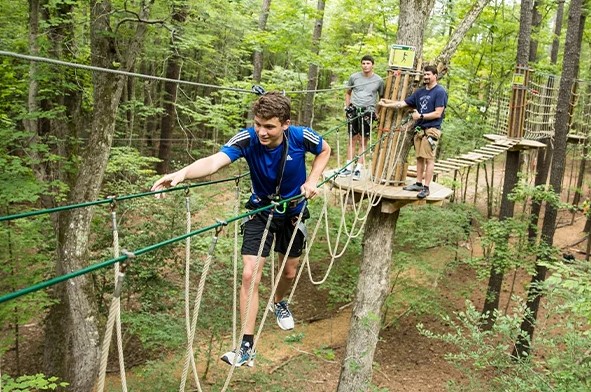
Forest-based adventure parks are designed around the idea that nature itself can be a powerful playground. Instead of artificial rides or digital attractions, these spaces use trees, terrain, and natural features as the foundation for activity zones. Rope courses, suspended bridges, climbing elements, and guided trails are integrated carefully into forest environments, ensuring minimal disruption while maximizing engagement.
For families, this concept offers several advantages. Children are encouraged to test their limits in a safe and supervised setting, while parents can participate alongside them. The shared challenges foster cooperation and communication, strengthening family bonds. Unlike indoor entertainment centers, these environments also promote physical health through movement and coordination, while fresh air and green surroundings contribute to overall well-being.
Another defining aspect is adaptability. Activities are often designed with varying difficulty levels, allowing participants of different ages and abilities to enjoy the same space. Younger children may explore low-height obstacle courses, while teenagers and adults take on more demanding challenges. This inclusivity makes forest-based adventure destinations particularly suitable for multi-generational outings.
Educational and Developmental Benefits for Children
Beyond recreation, forest adventure parks provide meaningful educational value. Exposure to natural settings enhances sensory awareness and curiosity, encouraging children to observe ecosystems, weather patterns, and wildlife habitats. Many parks incorporate interpretive elements such as guided walks or informational signage that explain local flora and fauna, subtly integrating learning into play.
Physical challenges support motor skill development, balance, and spatial awareness. Completing an obstacle or navigating a rope course builds self-confidence and resilience, as children learn to overcome fear and solve problems independently. These experiences often translate into improved self-esteem and adaptability in everyday life.
Social development is another important outcome. Group activities require cooperation, patience, and communication. Children learn to support one another, celebrate shared achievements, and respect rules designed for collective safety. These lessons, learned organically through play, can be more impactful than structured classroom instruction.
Safety, Design, and Sustainability Considerations
Safety is a central priority in the design and operation of forest adventure parks. Equipment is typically constructed using durable materials and installed according to strict engineering standards. Harness systems, helmets, and trained staff ensure that participants are protected without diminishing the sense of adventure. Clear instructions and supervision help families feel confident while allowing children the freedom to explore.
Equally important is environmental responsibility. Reputable operators emphasize sustainable practices, such as preserving existing trees, using eco-friendly materials, and limiting construction to designated areas. Trails and activity zones are planned to prevent soil erosion and protect wildlife habitats. These measures ensure that natural environments remain healthy and accessible for future visitors.
From a design perspective, thoughtful layout enhances both safety and enjoyment. Clear pathways, rest areas, and observation points allow families to move comfortably through the park. Amenities such as picnic spaces and educational centers extend the experience beyond physical challenges, creating opportunities for relaxation and reflection within the natural setting.
The Growing Role of Family-Oriented Adventure Tourism
As travel trends continue to evolve, family-oriented adventure tourism is gaining prominence. Parents increasingly value experiences that are enriching, active, and aligned with healthy lifestyles. Forest-based adventure destinations meet these expectations by offering structured excitement without excessive commercialization.
These parks also support local economies by creating employment opportunities and encouraging sustainable tourism. Visitors often extend their stay to explore nearby communities, natural reserves, or cultural attractions, contributing to broader regional development. This interconnected approach benefits both travelers and host locations.
Looking ahead, innovation within this sector is likely to focus on deeper integration of education and technology, such as augmented reality nature guides or conservation-focused programs. However, the core appeal will remain rooted in simplicity: meaningful experiences derived from interaction with the natural world.
In conclusion, forest adventure parks represent a thoughtful balance between thrill and tranquility, offering families a chance to reconnect with nature while engaging in purposeful activity. By combining safety, education, and excitement within forest landscapes, these destinations provide lasting memories and valuable life lessons, making them a compelling choice for modern family recreation.