


Category Archives: Culture
Sacred Paths: Spiritual Pilgrimage Tours Worth Taking
Source:https://nowjourney.com
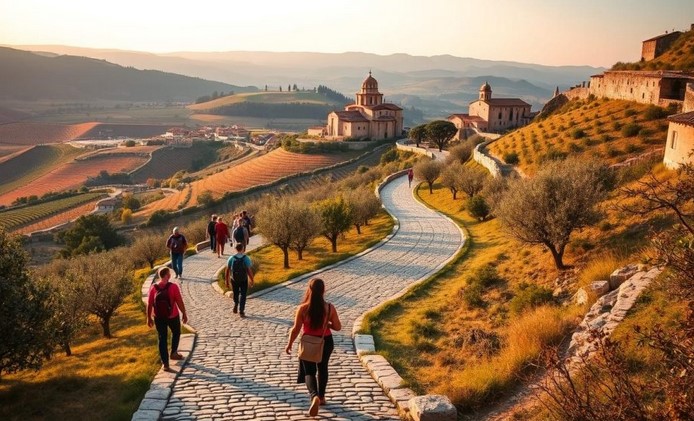
In an era defined by speed, constant connectivity, and surface-level experiences, many travelers are turning inward in search of meaning. This renewed interest has given rise to thoughtfully designed spiritual pilgrimage tours, journeys that are not merely about reaching a destination but about transformation along the way. Rooted in ancient traditions yet adapted for modern seekers, these sacred paths invite reflection, discipline, and a deeper understanding of one’s place in the world.
Reimagining Pilgrimage in the Modern World
Pilgrimage has existed for thousands of years across cultures and faiths. From walking to sacred mountains to circling revered shrines, these journeys were historically acts of devotion, penance, or gratitude. Today, pilgrimage is being reimagined as an inclusive and reflective practice, open to people of diverse beliefs who seek clarity, healing, or purpose.
Modern pilgrimage journeys emphasize intentional travel. Participants often disconnect from daily routines, slow their pace, and engage with rituals, silence, and community. Unlike conventional tourism, these journeys prioritize inner experience over external consumption. The value lies not in how much is seen, but in how deeply one engages.
What makes contemporary pilgrimage especially relevant is its ability to respond to modern challenges. Burnout, anxiety, and disconnection are common experiences in today’s world. Sacred journeys provide structured time for contemplation, offering mental and emotional restoration. They also foster humility by placing the traveler within a larger historical and spiritual narrative, reminding them that countless others have walked similar paths seeking wisdom and peace.
Three Sacred Paths Worth Taking
Across the globe, certain pilgrimage routes stand out for their depth, symbolism, and enduring relevance. These paths are not defined solely by religious doctrine, but by the transformative processes they encourage.
One such path is the Camino de Santiago in Spain. Walked for over a millennium, this route draws people from all backgrounds. The long days of walking, simple accommodations, and shared meals create an environment where reflection arises naturally. The Camino teaches patience, resilience, and the value of human connection, often leaving travelers with insights that extend far beyond the journey itself.
In Asia, the Kumano Kodo in Japan offers a different yet equally profound experience. This network of forested trails connects ancient shrines nestled in mountainous terrain. Pilgrims move through misty landscapes that emphasize harmony with nature. The journey reflects a worldview where spiritual understanding emerges through balance, respect, and attentiveness to the natural world.
In South America, the pilgrimage to Machu Picchu via the Inca Trail blends physical challenge with historical reverence. Walking stone paths laid centuries ago, travelers encounter ruins that speak of cosmology, craftsmanship, and devotion to the land. This journey underscores the idea that spirituality can be embedded in architecture, geography, and communal memory.
Designing Meaningful Pilgrimage Experiences
What unites these sacred paths is not geography, but design. Meaningful pilgrimage journeys share several core principles. First, they involve deliberate effort. Physical movement—whether walking, climbing, or enduring discomfort—becomes a metaphor for inner work. Second, they create space for silence and reflection, allowing insights to surface organically. Third, they foster respect for local traditions, ensuring that sacred places are approached with humility rather than entitlement.
Well-designed journeys also balance guidance with autonomy. While experienced facilitators can provide historical and cultural context, participants are encouraged to interpret their experiences personally. This balance allows each traveler to derive unique meaning without feeling constrained by rigid expectations.
Ethics, Preparation, and Lasting Impact
As interest in sacred travel grows, ethical considerations become increasingly important. Pilgrimage routes often pass through fragile ecosystems and living communities. Responsible travelers must prioritize sustainability, cultural sensitivity, and economic fairness. Supporting local guides, respecting rituals, and minimizing environmental impact are essential practices that preserve these paths for future generations.
Preparation is equally critical. Unlike leisure travel, pilgrimage demands mental, physical, and emotional readiness. Travelers benefit from setting intentions before departure, understanding the historical significance of the route, and preparing for challenges along the way. Such preparation ensures that difficulties are seen not as obstacles, but as integral elements of the journey.
The true measure of a pilgrimage lies in its lasting impact. Many travelers return with renewed perspectives, simplified priorities, and a stronger sense of purpose. The lessons learned often influence daily life, shaping relationships, work habits, and personal values. In this way, the journey does not end upon returning home; it continues as an ongoing practice of mindfulness and ethical living.
Ultimately, spiritual pilgrimage tours represent more than curated travel experiences. They are invitations to walk ancient paths with modern awareness, to learn from history while confronting present realities, and to return changed in ways both subtle and profound.
Legacy Trails: Heritage UNESCO Tours Across Continents
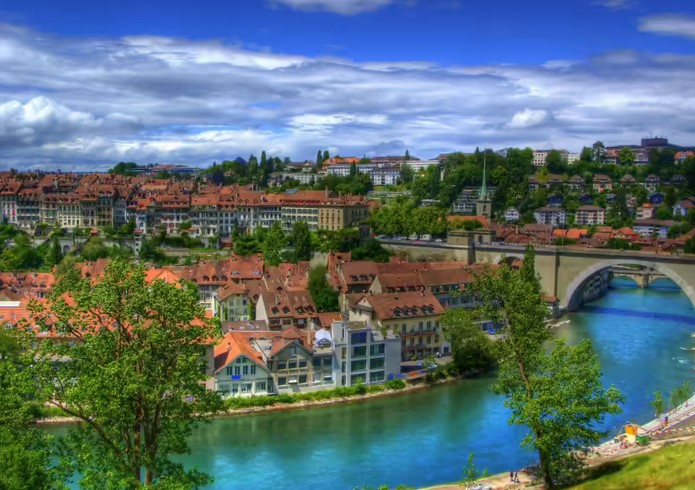 The allure of history, culture, and architecture often leads travelers on paths that have shaped the very essence of human civilization. One of the most remarkable ways to experience the world’s rich legacy is through heritage UNESCO tours, which offer a unique opportunity to explore and appreciate UNESCO’s World Heritage Sites. These sites, recognized for their cultural, historical, or natural significance, are scattered across continents, offering an unforgettable journey through time. From the ancient wonders of the world to the remarkable achievements of modern humanity, these tours invite visitors to engage with landmarks that have stood the test of time and continue to inspire future generations.
The Essence of Heritage: What UNESCO World Heritage Sites Represent
The United Nations Educational, Scientific and Cultural Organization (UNESCO) established the World Heritage program in 1972 to identify and protect sites of exceptional cultural, natural, or mixed significance. These sites are more than just travel destinations; they are landmarks of human achievement, conservation, and collective memory. UNESCO’s commitment to preserving these sites emphasizes their value not only to the countries in which they reside but to the global community as a whole.
When embarking on heritage UNESCO tours, travelers get a chance to witness firsthand the enduring beauty and significance of places that embody the cultural and natural history of humanity. The sites selected by UNESCO vary widely, from awe-inspiring ancient ruins and religious monuments to lush natural landscapes and biodiversity hotspots. Each UNESCO World Heritage Site tells its own story, often tied to ancient civilizations, sacred traditions, or extraordinary ecological importance.
The Top UNESCO Heritage Sites Across Continents
1. Europe: From Ancient Ruins to Renaissance Splendors
Europe is home to many UNESCO World Heritage Sites, each representing a different facet of the continent’s rich history. One of the most famous examples is the Colosseum in Rome, Italy. This iconic amphitheater, dating back to AD 70-80, is a symbol of Roman engineering and ancient entertainment, offering insight into the grandiosity of Roman civilization. It remains a crucial part of understanding the social, political, and cultural significance of the Roman Empire.
Another celebrated site is The Acropolis of Athens in Greece, a stunning example of classical architecture. The Parthenon, perched atop a hill, is a testament to ancient Greek culture and the birthplace of democracy. Visitors who undertake heritage UNESCO tours in Greece find themselves immersed in the history that laid the foundation for modern Western civilization.
Further west, Stonehenge in the United Kingdom, a prehistoric monument, draws millions annually. Its purpose remains a mystery, but its sheer size and alignment with celestial bodies speak to an advanced understanding of astronomy among ancient peoples.
2. Asia: The Spiritual Heart of the World
Asia is home to some of the most spiritually significant and visually striking UNESCO World Heritage Sites. In India, the Taj Mahal in Agra is a marvel of Mughal architecture, combining Islamic, Persian, Ottoman Turkish, and Indian styles. Built as a symbol of love by Emperor Shah Jahan, it remains one of the most visited and photographed monuments in the world.
In China, the Great Wall of China offers a remarkable glimpse into the ancient defense structures built to protect Chinese states and empires from invasions. Stretching over 13,000 miles, the wall is an incredible feat of engineering and provides a window into China’s long and tumultuous history.
Further south, Angkor Wat in Cambodia is the largest religious monument in the world and a UNESCO World Heritage Site of enormous cultural significance. Originally built as a Hindu temple in the 12th century, it later became a Buddhist temple and continues to attract spiritual pilgrims and travelers alike.
3. The Americas: Ancient Civilizations and Natural Wonders
The Americas boast a wide variety of UNESCO World Heritage Sites, from the ancient ruins of Mesoamerican civilizations to breathtaking natural landscapes. Machu Picchu in Peru, the ancient Incan city perched high in the Andes, offers travelers a glimpse into one of the most advanced and mysterious cultures of pre-Columbian America. Its exact purpose remains unclear, but it is widely believed to have been a royal estate or religious site. The site’s sophisticated construction techniques and stunning panoramic views make it a must-see destination for heritage enthusiasts.
Further north, in the United States, Yellowstone National Park stands as one of the world’s most important natural sites. It was the first national park established by the U.S. government and remains a testament to the country’s commitment to conservation. Its geothermal features, such as Old Faithful, along with its diverse wildlife, make it a natural wonder unlike any other.
UNESCO Heritage Tours: A Gateway to Cultural Preservation
The importance of UNESCO World Heritage Sites goes beyond their physical presence. These sites represent the legacy of humanity’s creativity, culture, and environmental stewardship. By participating in heritage UNESCO tours, travelers not only enjoy incredible sightseeing but also contribute to the preservation and protection of these invaluable landmarks.
Many of these sites are vulnerable to environmental changes, climate threats, and the pressures of mass tourism. UNESCO’s designation helps to safeguard them for future generations. Tourists who visit these sites often help local economies while simultaneously fostering greater global awareness about the importance of cultural and natural preservation.
A major benefit of these tours is that they foster deeper engagement with the cultures and environments that shape these landmarks. Travelers often have the opportunity to interact with local communities, learn from historians and archaeologists, and gain a greater appreciation for the challenges of maintaining such significant heritage.
The Role of Sustainable Tourism in Heritage Preservation
While tourism is essential for supporting local communities, it can also have a negative impact on the preservation of UNESCO World Heritage Sites if not managed responsibly. Sustainable tourism practices are crucial in minimizing damage to these sites and ensuring that their cultural and natural integrity is maintained. UNESCO emphasizes responsible travel and works with local authorities to develop programs that balance tourism with conservation efforts.
Some UNESCO sites, like the Galápagos Islands in Ecuador, are particularly vulnerable to over-tourism. For this reason, only a limited number of visitors are allowed each day to help preserve the delicate ecosystems of these islands. Similarly, many countries are working to implement guidelines for travelers to reduce environmental footprints and respect local cultures.
In conclusion, heritage UNESCO tours provide an invaluable opportunity to experience some of the world’s most significant cultural and natural treasures. These sites are not only monumental achievements in human history but also enduring symbols of our shared heritage. By visiting these places, travelers not only gain insights into the past but also contribute to the global effort to preserve them for future generations. As we embark on these journeys through time, we are reminded of the profound legacy left by ancient civilizations, the natural world, and our collective responsibility to protect them.
Create & Explore: Cultural Art Residencies Abroad
Source:https://0f8aa6ed1cf35015c37896d2fae478a3.cdn.bubble.io
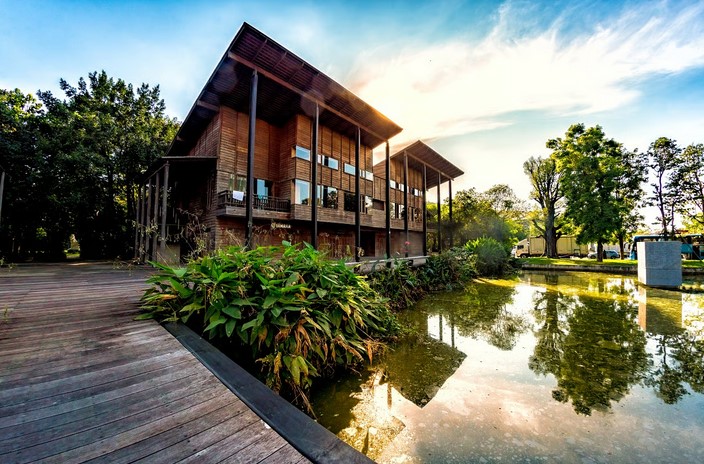
For artists seeking to expand their horizons, explore new environments, and immerse themselves in different cultural influences, cultural art residencies abroad offer a transformative experience. These residencies provide a unique opportunity for creative professionals to live and work in a foreign country while gaining exposure to diverse artistic traditions, local customs, and innovative techniques. Whether you are a painter, writer, musician, or multidisciplinary artist, cultural art residencies offer a space where you can grow artistically, foster global connections, and engage in cross-cultural exchange.
The chance to reside in a foreign country while creating new work is not only a dream for many artists but also an essential part of an artist’s journey to discovering new inspirations and perspectives. Cultural art residencies abroad can help to expand your artistic practice and boost your career, all while offering the freedom to explore personal and professional growth in an inspiring environment. Let’s dive into the world of art residencies and explore how they can enhance your creative journey.
The Value of Cultural Art Residencies Abroad
Cultural art residencies abroad are unique in that they allow artists to step outside of their usual surroundings and embrace a new culture. These residencies offer multiple benefits that go far beyond the art studio. Here are some key reasons why artists choose to participate in these immersive opportunities:
1. A Chance for Creative Immersion
One of the main advantages of cultural art residencies is the opportunity for deep, uninterrupted creative work. Many artists face the challenge of finding time and space to truly focus on their craft, and residencies provide just that. In a residency, you can dedicate yourself fully to your art, free from the usual distractions of daily life.
Being in a new country allows you to experience new landscapes, architecture, cuisine, and customs, all of which can serve as fresh inspiration for your work. Whether it’s the colors and textures of a bustling city or the quiet serenity of a rural setting, these new experiences can influence your artistic process in exciting and unpredictable ways. For writers, being in a foreign environment can help unlock new narratives, while visual artists can find themselves inspired by the cultural and natural landscapes surrounding them.
2. Cultural Exchange and Global Networking
Another compelling reason to apply for cultural art residencies is the chance to connect with other artists from around the world. These residencies often attract a diverse group of creatives who are working across different mediums and styles. The opportunity to collaborate, share ideas, and learn from peers can be incredibly valuable for both personal and professional development. Many residencies also host workshops, presentations, and exhibitions where artists can showcase their work, creating opportunities to interact with local and international art communities.
By participating in a residency, you also gain access to local artists, curators, and art institutions, which can open up further opportunities for exhibitions, collaborations, and future residencies. The global network you build during your time abroad can prove invaluable as you continue to expand your career.
3. Professional Growth and Career Development
For many artists, the exposure gained from a cultural art residency can be a major stepping stone in their careers. Residencies often provide the resources and support necessary to further develop your portfolio, such as access to dedicated studio space, materials, and even financial stipends. Additionally, some residencies organize public exhibitions or presentations, allowing artists to showcase their work to a broader audience. These opportunities can significantly increase your visibility in the art world and help you gain recognition.
Furthermore, the structure and expectations of a residency program can encourage artists to push their creative boundaries. Being surrounded by fellow artists who are also immersed in their practices can create a motivating and stimulating environment that fosters growth. A residency abroad may be the perfect chance to experiment with new techniques, mediums, or concepts that you wouldn’t typically explore at home.
Types of Cultural Art Residencies Abroad
While all cultural art residencies share a common goal of fostering creativity, they can differ significantly in terms of location, duration, focus, and facilities. Here are a few common types of residencies abroad that artists might consider:
4. Artist Retreats
Artist retreats are typically set in remote, tranquil locations where artists can escape from the noise of the world and focus on their work. These residencies often provide minimal distractions and offer a more meditative or contemplative environment. Whether in a mountain village in Nepal or a remote island in the Mediterranean, these retreats allow artists to deeply connect with nature and their inner creative voices. Artist retreats may offer various levels of support, from providing studio space and meals to offering mentorship or community-building activities.
5. Urban Residency Programs
Urban residency programs place artists in bustling cities, giving them the opportunity to create while immersing themselves in the cultural fabric of urban life. These residencies are often found in cities with rich artistic histories and vibrant contemporary art scenes, such as Berlin, New York, or Tokyo. In addition to providing studio space, urban residencies often have connections with galleries, art institutions, and local arts organizations, helping artists establish a professional presence in a new location. These programs may also offer public exhibitions or open studios, where artists can present their work to a wider audience.
6. Short-Term Focused Residencies
Short-term residencies focus on specific projects or objectives. These programs often cater to artists who are looking to work on a particular theme, collaborate with other artists, or explore a specific medium. Some programs may be highly structured, providing mentorship, workshops, or masterclasses, while others may allow artists more flexibility. For example, a short-term residency in India might focus on traditional crafts, such as pottery or weaving, or a residency in Brazil may be designed for those looking to work with indigenous art forms.
7. Non-Traditional Residencies
Some cultural art residencies may take on non-traditional forms, such as interdisciplinary or community-based programs. These residencies are often centered around engaging with local communities or exploring socially conscious themes. Non-traditional residencies may involve working with local artisans, schools, or social organizations to create collaborative projects. This type of residency can be incredibly rewarding, as it provides an opportunity to not only create art but also contribute meaningfully to the host community.
How to Choose the Right Cultural Art Residency for You
Choosing the right cultural art residency depends on your artistic goals, your preferred environment, and the kind of experience you wish to have. Here are a few tips for selecting the perfect residency:
- Consider Your Artistic Focus: Do you want to work on a specific project, or are you looking for a general creative retreat? Some residencies are project-based, while others allow more open-ended exploration. Make sure the residency aligns with your artistic goals.
- Think About the Location: The environment surrounding the residency will influence your creative process. Are you drawn to remote, nature-filled landscapes, or would you prefer the energy of a bustling urban center? Choose a location that will inspire and nourish your work.
- Look for Support and Facilities: Some residencies offer extensive resources, including studio space, materials, accommodation, and even stipends. Others may be more basic but provide the freedom to work independently. Make sure the residency provides the level of support you need.
- Duration and Commitment: Consider how long you are willing to commit to the residency. Some are as short as a few weeks, while others can last several months. Think about your availability and how much time you can devote to your project.
In conclusion, cultural art residencies abroad offer artists an incredible opportunity to explore new creative landscapes, engage with global art communities, and foster personal and professional growth. These residencies allow you to disconnect from the familiar and immerse yourself in a new culture, while also providing the support and resources needed to elevate your work. Whether you’re seeking solitude in a rural retreat or looking to engage with the cultural energy of a bustling city, cultural art residencies offer transformative experiences that can deepen your artistic practice and broaden your global network. Taking part in one of these programs might just be the experience that defines the next chapter of your creative journey.